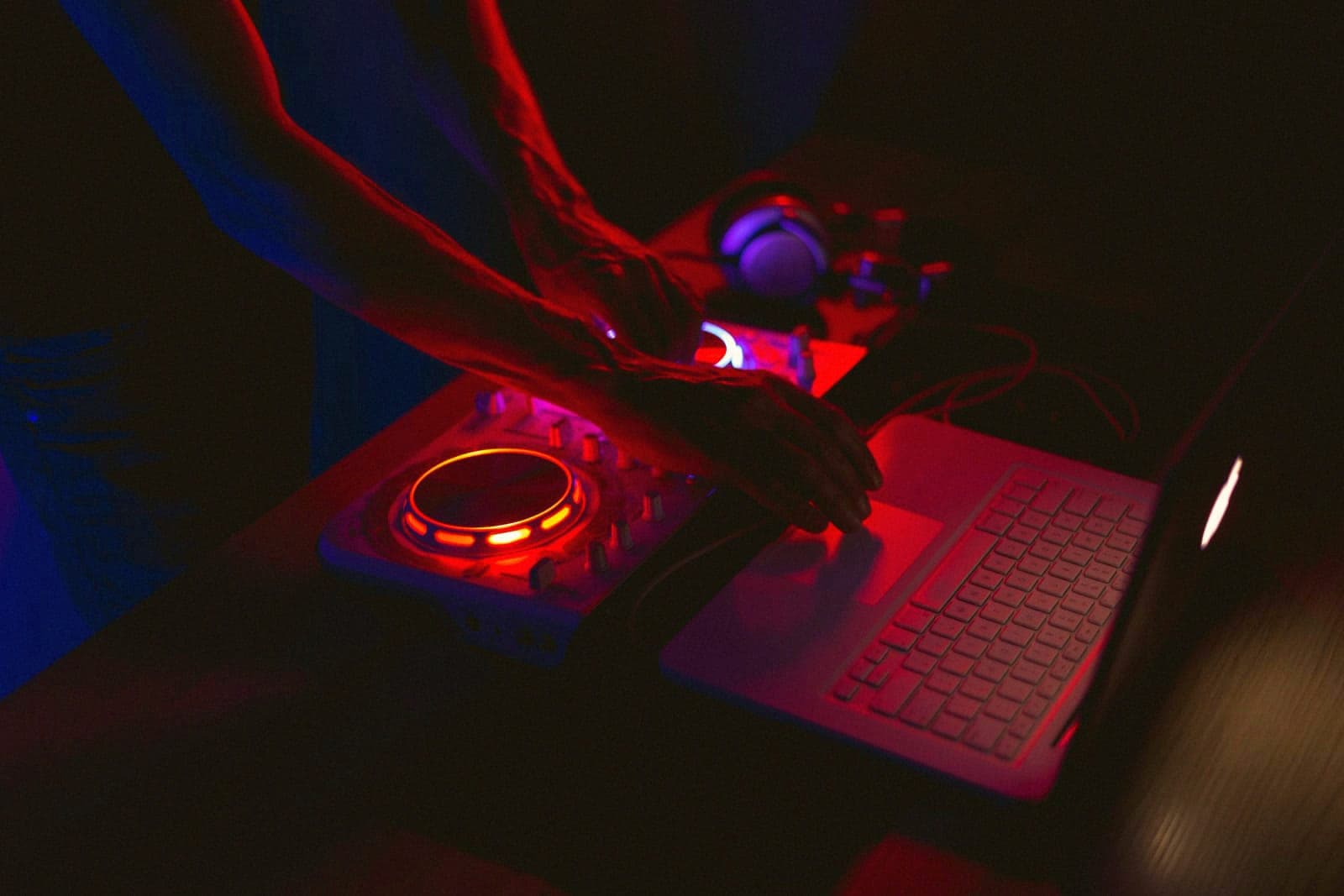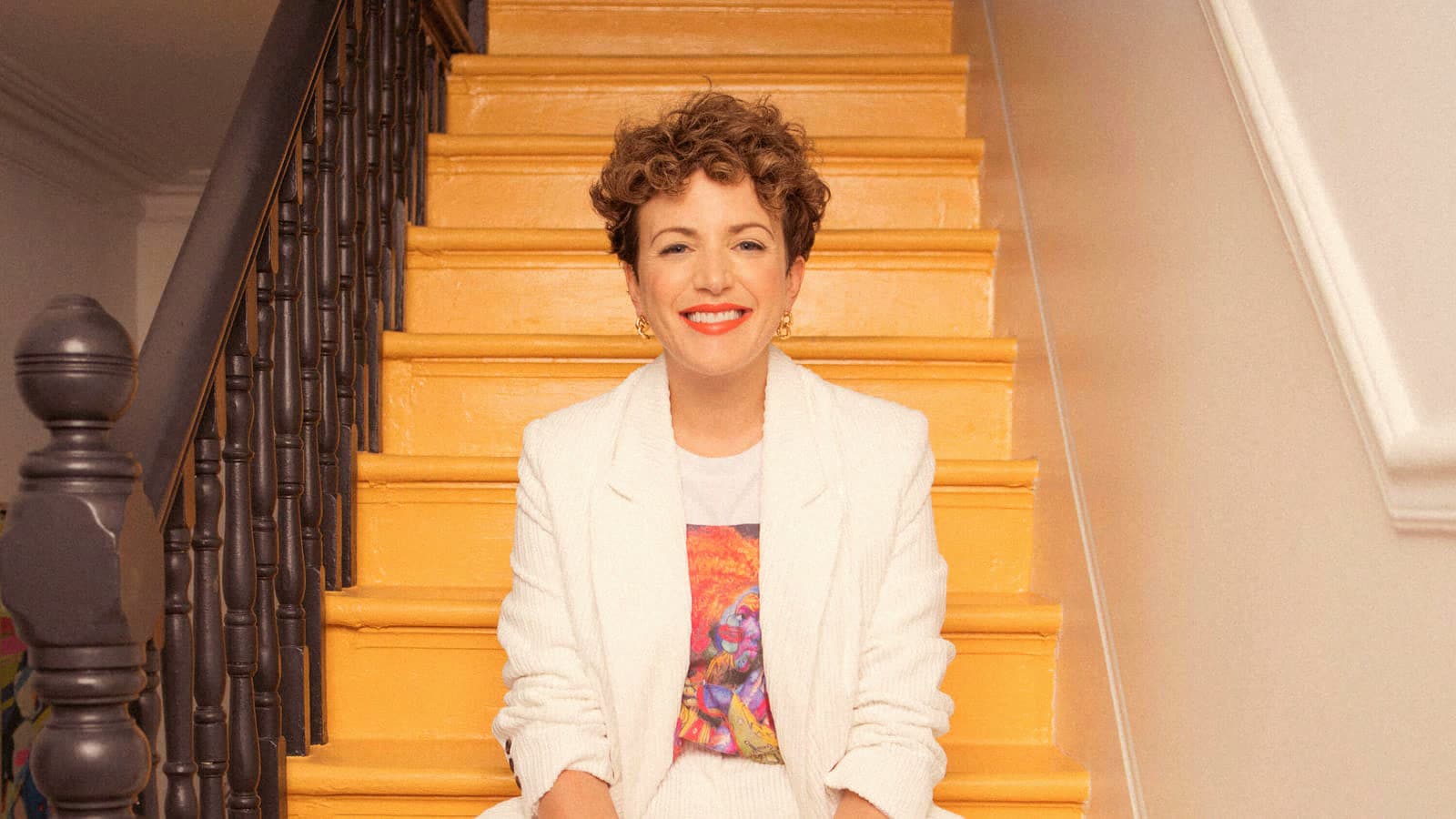
Annie Mac has spent her whole career on the side of new music: twenty-odd years finding it, playing it, putting unknown producers on national radio. So when she says it out loud, it lands. It has never been easier to make music, she argues, but at what cost? In a clip shared to Instagram in June 2026, the broadcaster and DJ put a sentence to the unease running through every producer group chat.
What is Annie Mac actually saying?
Her point is not a refusal of technology. It is about value. When a finished, convincing track can fall out of a text box in minutes, the friction that used to filter music, the years of learning an instrument or a DAW, the failed records, the cost and discipline of studio time, stops doing its quiet work. That friction was never just an obstacle; it was part of what made a record mean something. Take it away and music gets easier to make and, she suggests, easier to ignore.
"It has never been easier to make music. But at what cost?"
Why is this landing now?
Because the tools finally caught up. Generative platforms like Suno and Udio now spit out complete, plausible tracks from a single prompt, and AI uploads are arriving on streaming services faster than anyone can vet them. Apple Music has started moving to flag and limit audio that leans too heavily on AI; other platforms have reported AI material flooding their pipes. That flood is the backdrop to Mac's question: not a hypothetical, a present-tense glut.
Is this just gatekeeping?
That is the debate, and the honest answer depends on who you ask. One camp hears democratization: the barriers are gone, anyone can make a track, and that is a good thing. The other hears devaluation: if everyone can make a track instantly, the floor drops out from under the people who do it for a living. Mac is not pulling the ladder up behind her, she built a career lowering it for newcomers. She is asking what we lose when the ladder disappears entirely.
Who is Annie Mac to say it?
She has earned the mic. Macmanus spent around 17 years on BBC Radio 1 as one of dance music's most influential tastemakers, the person who could break a new producer in a single show, before stepping away in 2021. She now hosts the Changes podcast, runs the Before Midnight clubbing series, has written novels and picked up an honorary doctorate in 2024. This is not a technophobe complaining about the future. It is someone who spent decades championing the new asking, seriously, what the new is worth.