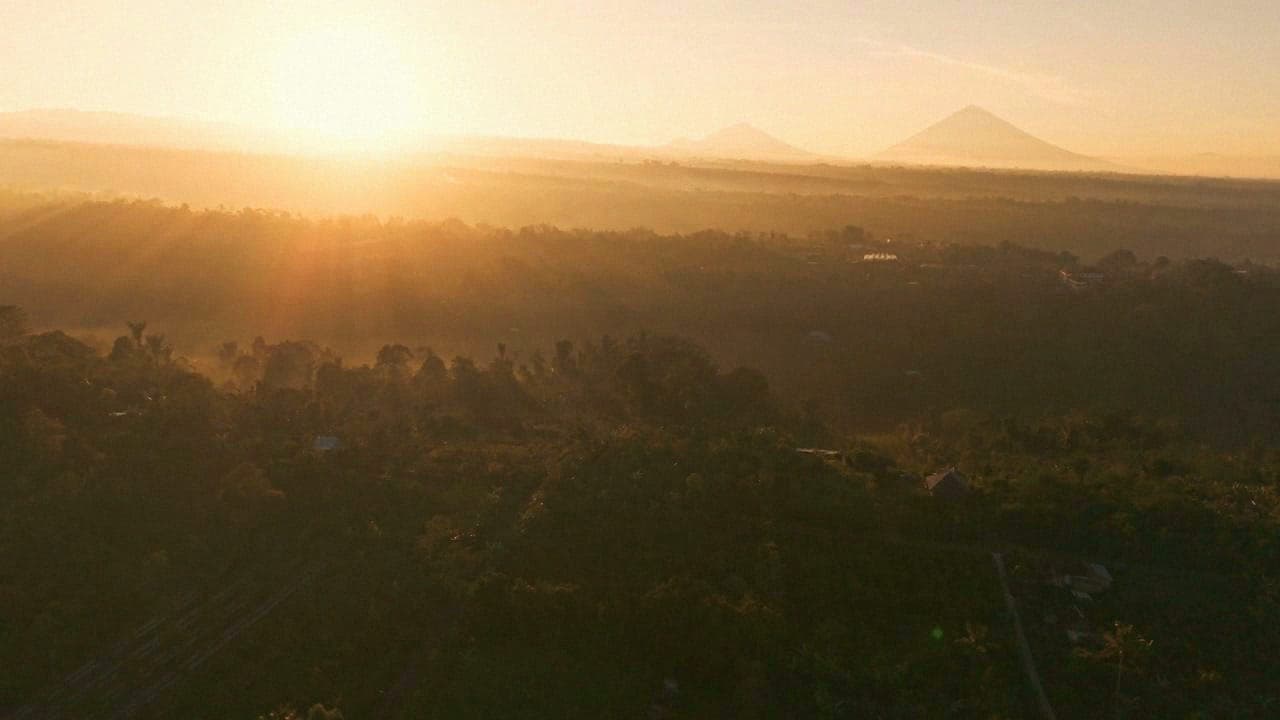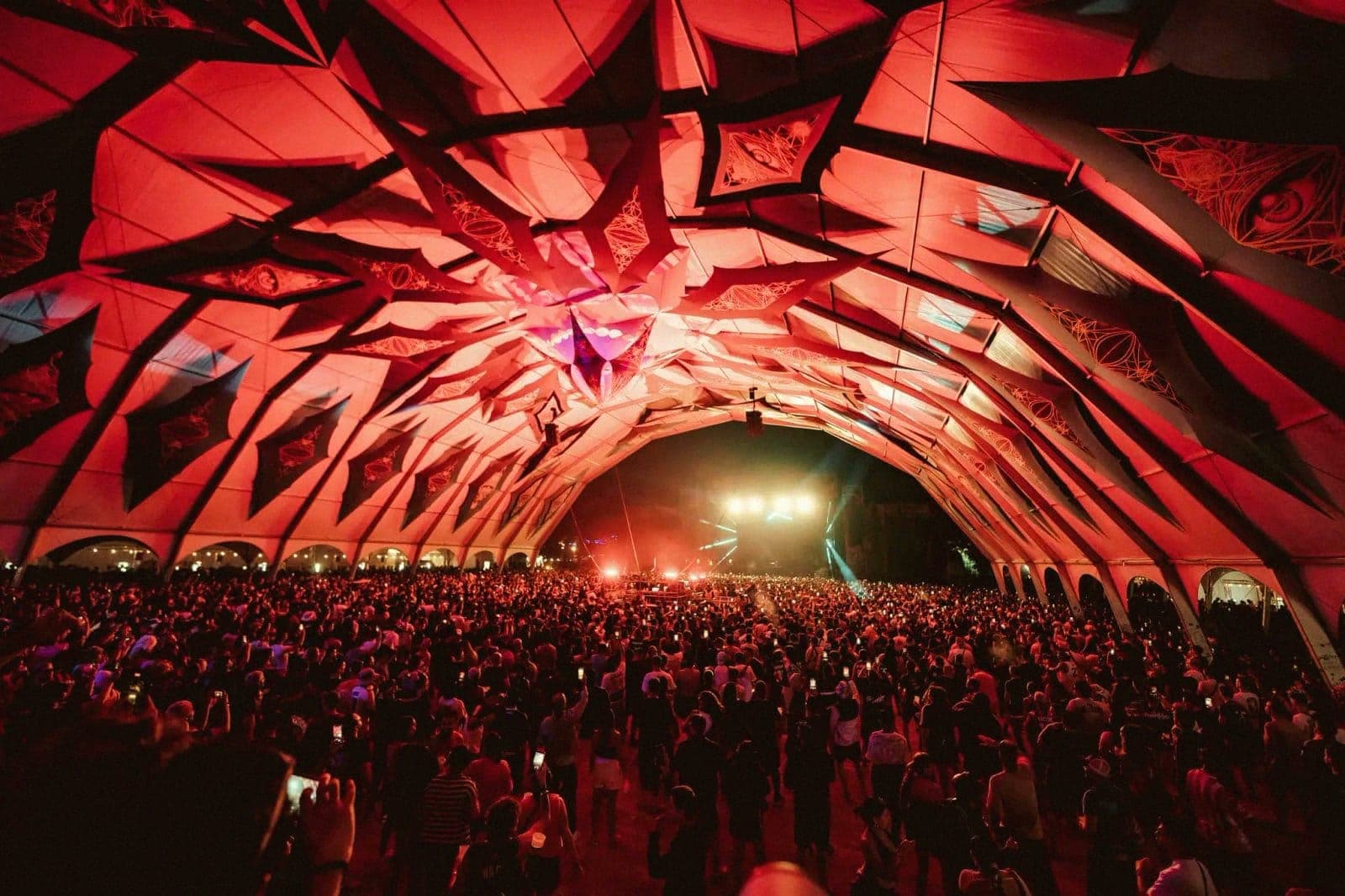
Right now, through August 16, a valley outside a small town in Asturias is doing what most European festivals stopped doing a decade ago: running a lineup with zero commercial insurance. No pop crossover slot, no EDM headliner bought to move extra tickets. Just techno, for four days, at altitude.
Aquasella's 29th edition is underway in the Valle de la Música, a forested mountain bowl a short drive from Arriondas. Roughly 105 artists are playing 88 sets across the weekend. The names at the top of the bill, Amelie Lens, DVS1, Rødhåd, Chris Liebing, Joris Voorn, TSHA and I Hate Models, are exactly the names you'd expect to headline a festival that has spent three decades building a reputation with touring DJs rather than festival-circuit bookers looking for a safe bet.
What does it mean that a DJ has played 29 editions?
Ben Sims is making his 21st appearance at Aquasella this year. That number is the real story here, more than any single name on the poster. Festivals rotate lineups constantly, chasing whichever artist is trending that booking cycle; a DJ returning to the same site 21 times, across a career, says something a press release never can. It means the promoters kept faith with a specific sound rather than a specific moment, and it means Sims, who has spent thirty years as a DJ's DJ rather than a festival-poster name, found a room worth coming back to two decades running.
That kind of continuity is rare in European festival programming now. Line-ups increasingly get built around whoever has the biggest streaming numbers this quarter. Aquasella's answer has been the opposite: build the bill around techno pairings that only make sense to people who already know the genre, and trust the audience to follow.
Why has the programming stayed this uncompromising?
The clearest evidence is in the back-to-back sets, not just the headliner names. López and Dasha Rush, Chris Liebing and Slater, Pacho and Rødhåd: these are pairings booked for DJs who want to hear two selectors trade records live, not for a crowd that needs a recognisable single name to justify the ticket price. A festival chasing reach would never risk a slot like that; it dilutes the "headliner" logic that sells tickets to casual buyers. Aquasella keeps doing it anyway, edition after edition.
Aquasella has spent 29 years proving a mountain valley in Asturias and a lineup built entirely on techno DJs can outlast the festivals that chased the mainstream.
The location does some of the work too. The Valle de la Música isn't a repurposed car park or a city outskirts field; it's a genuinely remote setting that forces a festival to be a destination rather than a convenient weekend option. That geography filters the audience before a single set plays, and it's part of why the booking can stay this specific without collapsing the business.
Who else is worth catching this weekend?
Beyond the top-line names, the 2026 bill leans on artists whose reputations were built almost entirely within the techno scene rather than on crossover radio play or festival-circuit ubiquity. That's the pattern across 29 years of Aquasella bookings: build a reputation inside the genre first, get invited back, and let word of mouth among touring DJs do the marketing that a bigger festival budget would otherwise buy.