Why does one Arthur Russell song get two different covers on the same record?
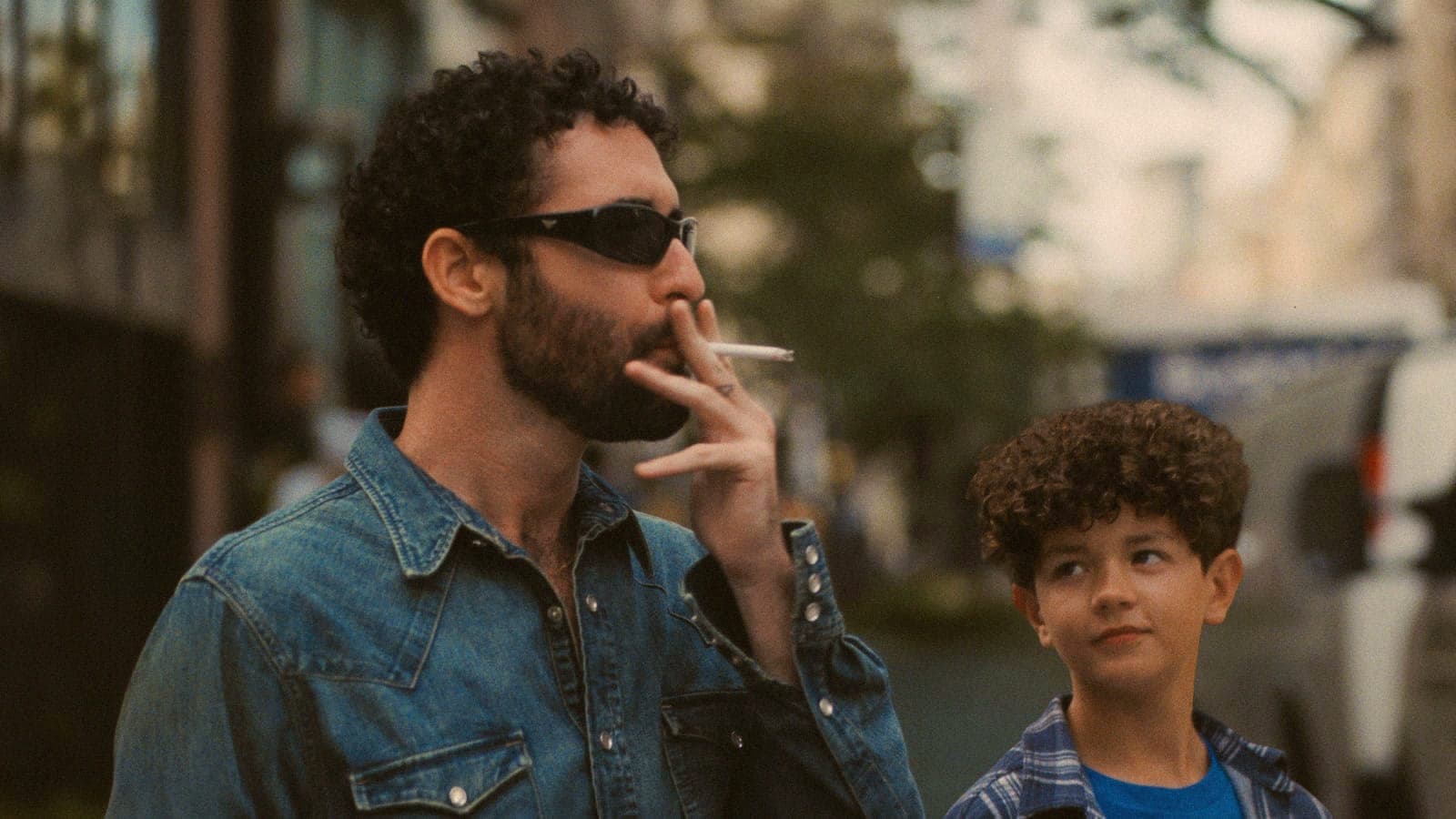
Arthur Russell recorded "The Boy With a Smile" around 1985. It sat in his archive for decades, outlived him by over thirty years, and only surfaced publicly on "Picture of Bunny Rabbit," the 2023 posthumous collection that keeps proving how much unreleased material the man left behind. Jordan Firstman put the original recording into "Club Kid," his directorial debut about a New York club promoter blindsided by sudden fatherhood, shot on location inside the city's real underground queer party circuit. Then, instead of picking one artist to cover it for the companion EP, A24 Music commissioned two: Christine and the Queens and Nirosta Steel, sitting back to back on the same five-track release. Nirosta Steel has history here, having worked alongside Russell himself, and told press that landing the commission beat even hearing his old friend's voice resurface in the film.
What does the rest of the EP actually sound like?
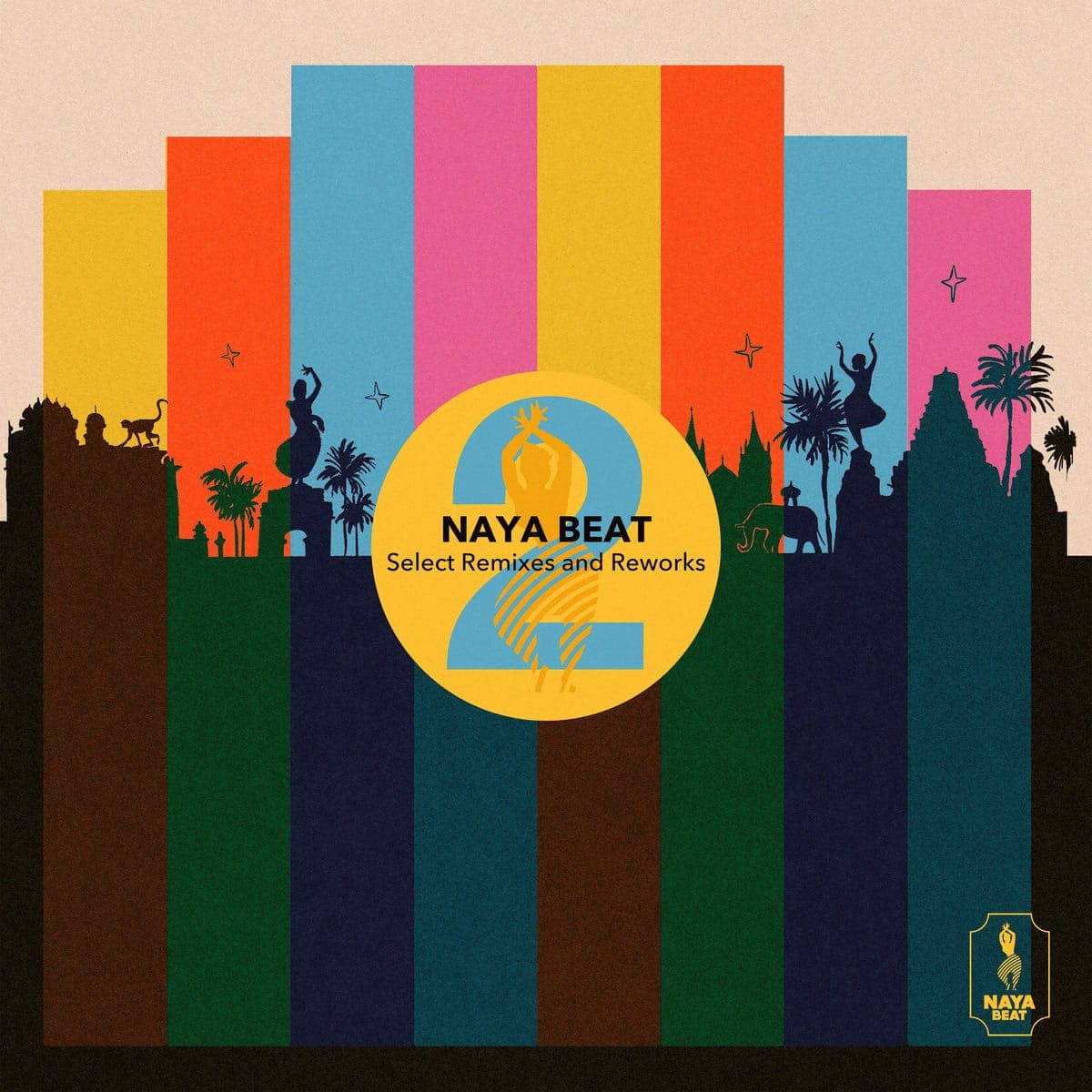
The three new cuts frame the covers rather than compete with them. Shygirl contributes "Waves," a hazy, low-lit track that follows her second album "Swallow!" Moby goes the other way with "I Want a Rocket," built for a packed floor rather than a comedown. Berlin duo Brutalismus 3000 adds "Crusades," leaning into the kind of maximalist, club-first production that made their name on the European circuit. None of it tries to recreate 1980s New York. It is a soundtrack for a film about that scene's current heirs, built by people who are currently living inside the one Russell's music helped invent.
"It was so cool to hear Arthur's voice in this fab movie, then even cooler to get the call from the A24 folks to cover it.", Nirosta Steel
Why does this matter beyond the film?
Arthur Russell's catalogue keeps getting rediscovered because dance music never stopped needing what he did first: cello, disco and queer club culture in the same take, decades before anyone had a genre name for it. Having two different artists cover the same once-unreleased song on one EP is a small but telling admission that there is no single correct way to carry that forward, and that a studio betting money on an underground club story still thinks that argument is worth having on record.