What does Mixmag Asia's feature actually show?
Mixmag Asia published its "essential listening" roundup on July 27, spotlighting emerging house and techno producers across ten countries and territories including Japan, Indonesia, China, India, Korea, Thailand, Taiwan, Hong Kong and Sri Lanka. The names cut across generations and styles: Japan's Stones Taro, newly signed to UK label Rhythm Section, sits alongside veteran DJ Nobu and the more experimental Oyubi. Indonesia gets its own cluster: Bandung duo Bottlesmoker, Bali's PNNY, and the Rampak G collective.
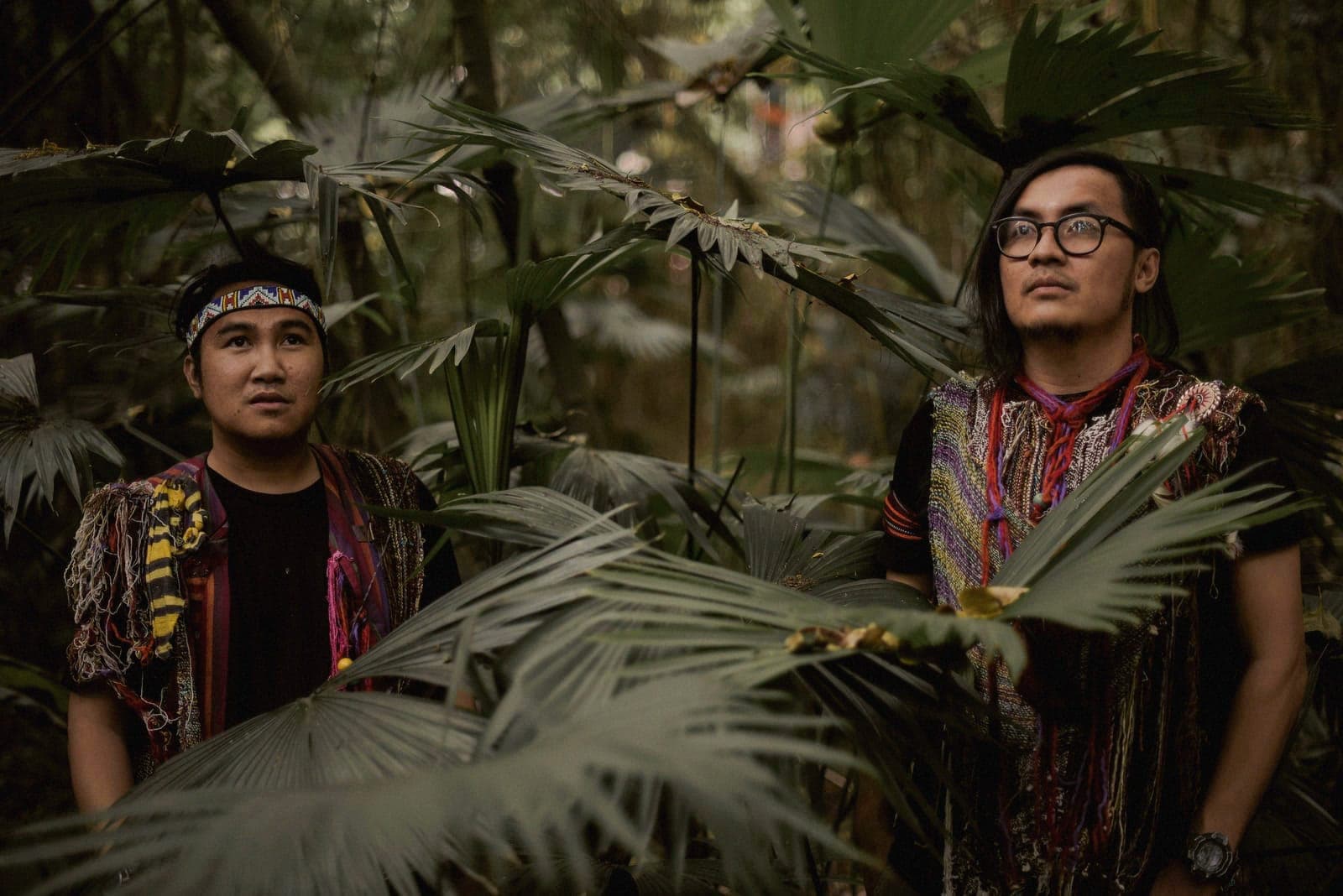
The connecting thread, per Mixmag Asia, isn't a shared genre so much as a shared instinct: producers folding traditional instrumentation into electronic production rather than importing a house or techno template wholesale. Bottlesmoker's own press materials spell out what that looks like on the ground. The duo, active since 2006, builds tracks around Indonesian instruments like the tarawangsa and kacapi run through circuit-bent electronics alongside straight synthesis.
Why has the West underreported this for so long?
For two decades, the dominant framing from European and North American dance media has been extraction, not exchange: Asia as a booking market for Western DJs, at best a stop on someone else's tour, rarely the source of the labels and catalog itself. Distribution ran one direction too. A producer in Bandung or Osaka could press a record, but the playlists, blog coverage and festival bills that build an international profile were curated almost entirely in Berlin, London and Detroit. That created a real infrastructure gap: the talent existed, but the machinery to turn it into a career, meaning labels, distribution deals, booking agencies, sat somewhere else.
What Mixmag Asia's feature actually documents is that gap closing. Darker Than Wax, founded in Singapore in 2011 by Kevin Guoh and Dean Chew, has spent over a decade proving a regional label can build, tour and sustain artists without a Western co-sign. EKTA, the label British-Punjabi DJ Yung Singh launched this year, makes the same case from the diaspora side: its debut EP "Bloom" built a platform around Panjabi folk and classical influences without waiting for a European label to validate the idea first.
"It's not just a Panjabi project, it's a medium for cultural exchange.", Yung Singh, on EKTA
What does this change for the next few years?
If Asian and diaspora producers can build catalog and audience through labels rooted where they actually come from, the leverage on rights, royalties and booking terms shifts too, away from a default assumption that a Western imprint has to be the gatekeeper. That doesn't erase the real friction: touring visas, festival booking circuits and algorithmic playlist placement are still dominated by Western infrastructure, and reaching those stages remains harder from Bandung than from Berlin. But labels defining their own compilations and their own sound, rather than waiting to be discovered and packaged by someone else, is a structural shift, not just a stronger crop of artists.
That's the story Mixmag Asia is documenting in real time: not a wave that crests and recedes, but infrastructure. Once a Rampak G or a Darker Than Wax exists and works, the next producer doesn't have to hope a Western A&R notices them first.