What happened at Kando Beach Bar?
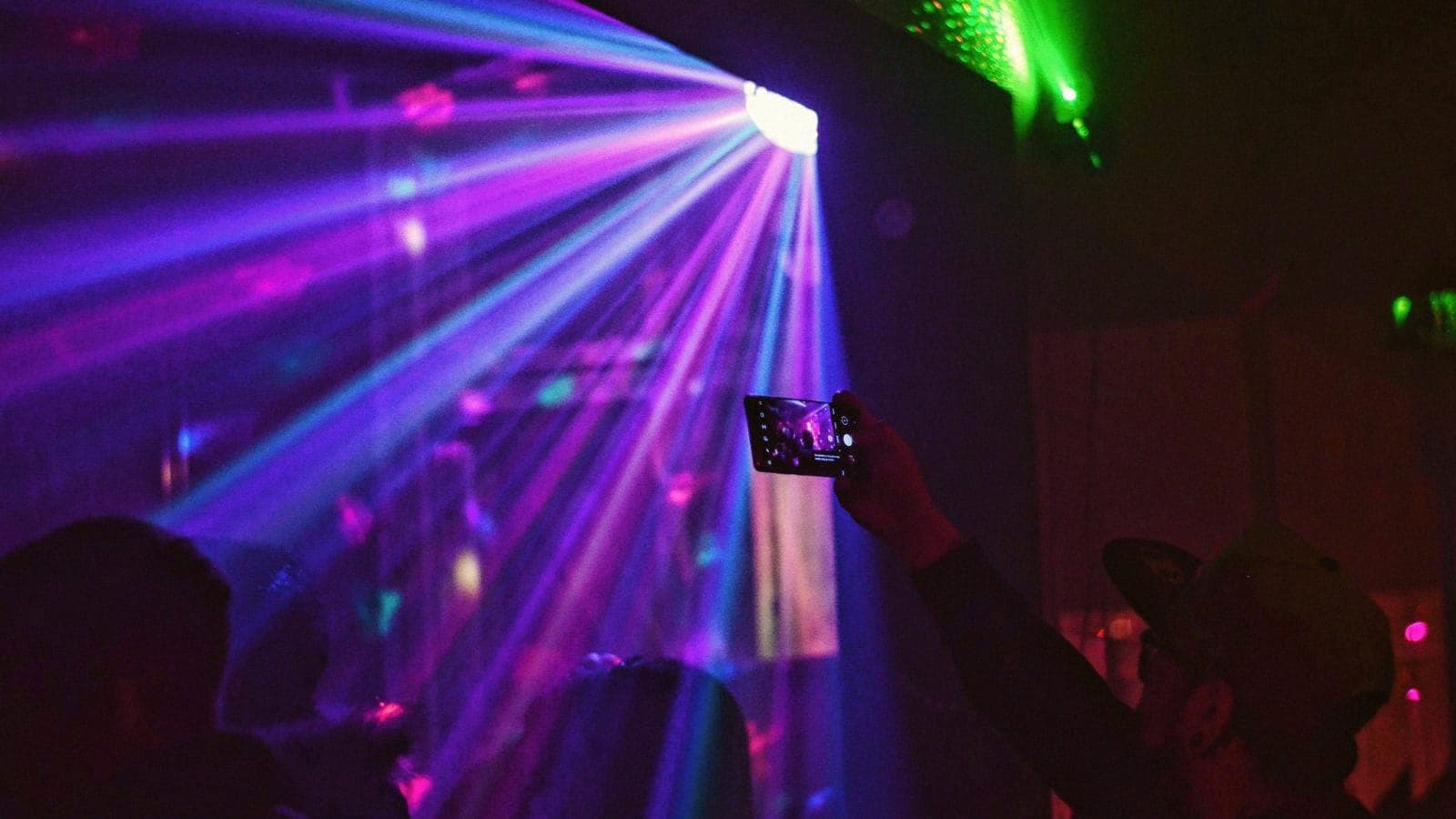
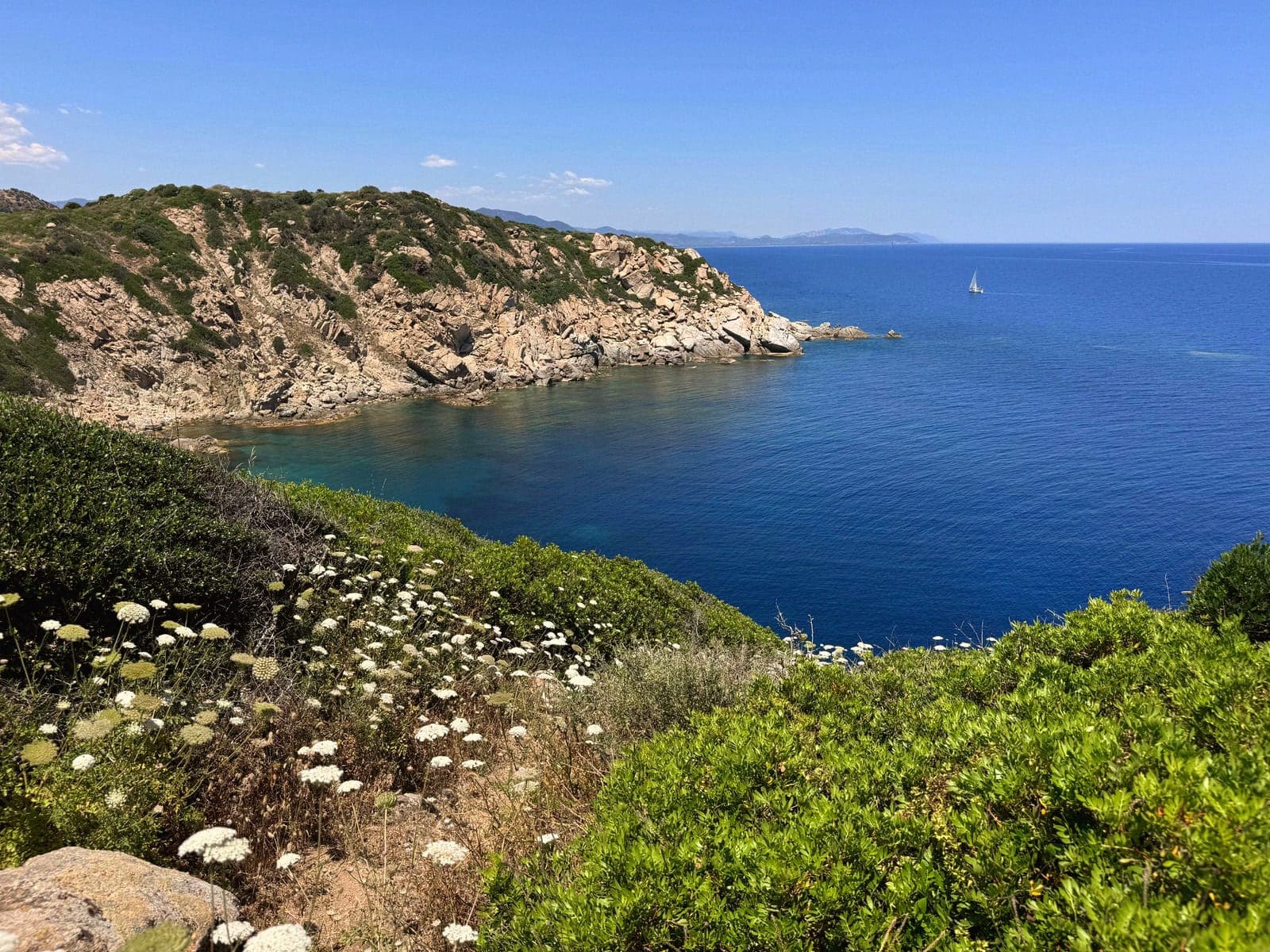
On the night of August 14, Angelo Ratti had just finished a DJ set at Kando Beach Bar in Porto Istana, a stretch of coast near Olbia on Sardinia's northeast tip. He was packing up his equipment when, he says, he was hit with homophobic slurs. What followed, per Resident Advisor and Italy's ANSA news agency, was not a scuffle. Roughly 30 people, described as mostly local youths with some in their thirties, attacked Ratti in three distinct phases: an opening punch, a beating around the head, then being dragged into a dark alley and struck with a stone. The assault lasted around half an hour. Three friends who tried to pull him free were hurt too. One woman was left with a back injury and, per ANSA, was told by an attacker to be thankful she was a girl, because otherwise they would have treated her the same way.
Ratti was left bleeding on the sand, his sound equipment damaged. He was treated for injuries to his head, face, abdomen and genitals, and has reported partial numbness on one side of his face and hearing loss in one ear. He filed a police report and, back home in Milan, underwent medical exams. The prosecutor's office in Tempio Pausania has opened an investigation, per ANSA, after the case was picked up by multiple Italian newspapers.
Who is Angelo Ratti and what is Biscotto della Fortuna?
Ratti, 39, founded Biscotto della Fortuna, a Milan queer DJ collective that had been playing dates across Sardinia's Ferragosto season, the peak mid-August stretch when the island's beach clubs and pop-up bars are at their busiest. Collectives like his exist precisely because commercial club bookings still leave queer artists and nights underserved: they build their own rooms, their own crews, their own audiences, often in exactly the kind of informal beach-bar setting where Ratti was playing that night. Since the attack, Milan LGBTQ+ organizations Milano Checkpoint, Circolo Masada and Circolo Amelia have publicly backed him, and a fundraiser has been launched to cover his medical and legal costs and to replace the damaged equipment.
"I'm not looking for a culprit. I'm looking for a solution so that it never happens again."
What does this mean for queer DJs and collectives?
This is the risk sitting underneath every "inclusive" booking in nightlife: a queer collective gets hired for the cachet of an open-minded night, and none of the venue's security, staff training or crowd management changes to match. Ratti was alone with his gear when the slurs started, the exact moment a DJ is most exposed, and it took thirty people roughly half an hour to leave him bleeding on a beach that a few hours earlier had been dancing to his set. If beach bars and pop-up venues want to book queer collectives for the summer season, they take on the same duty of care as any club: staff who actually intervene, a plan for when a set turns hostile, and a relationship with local police that goes beyond an incident report filed after the fact.