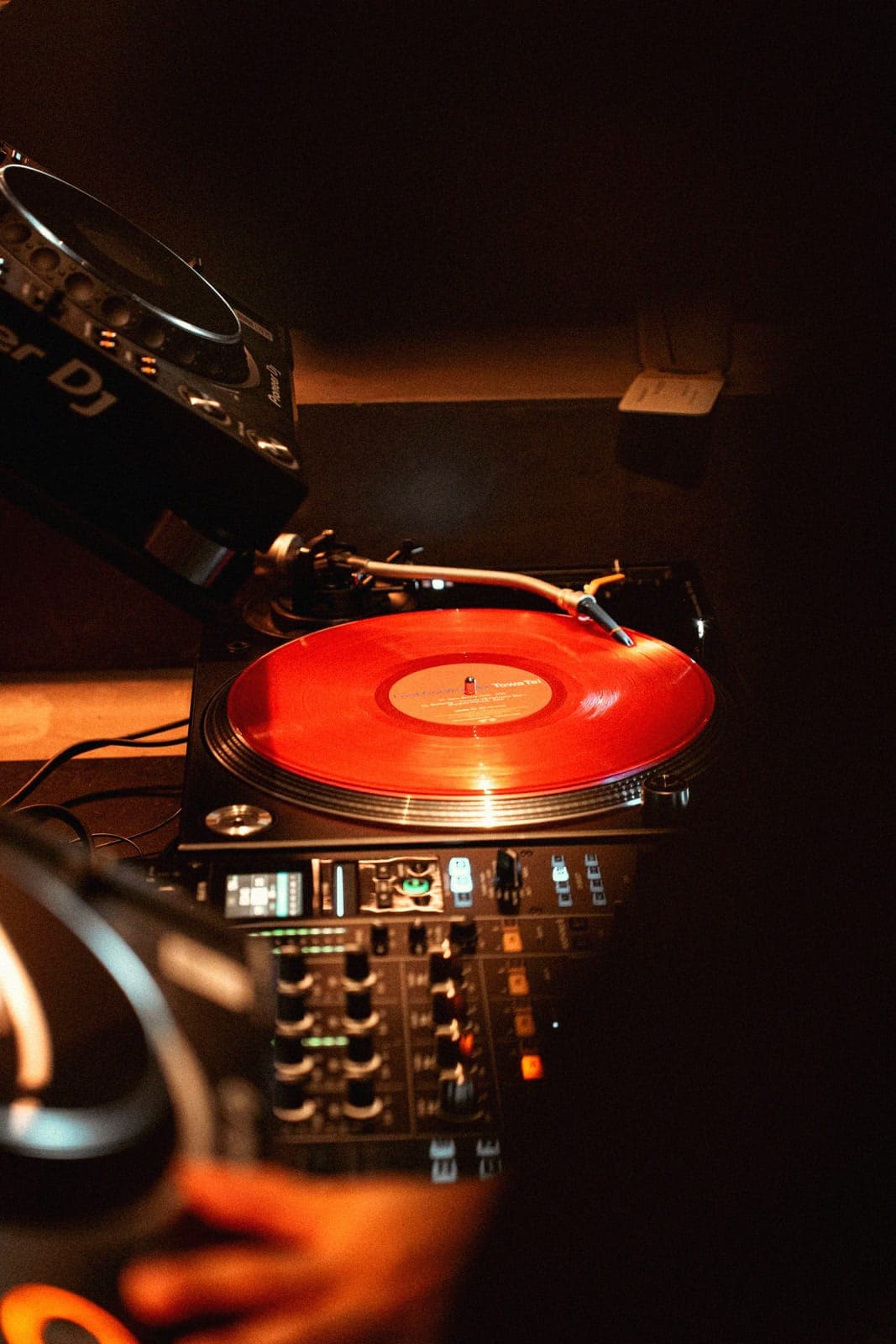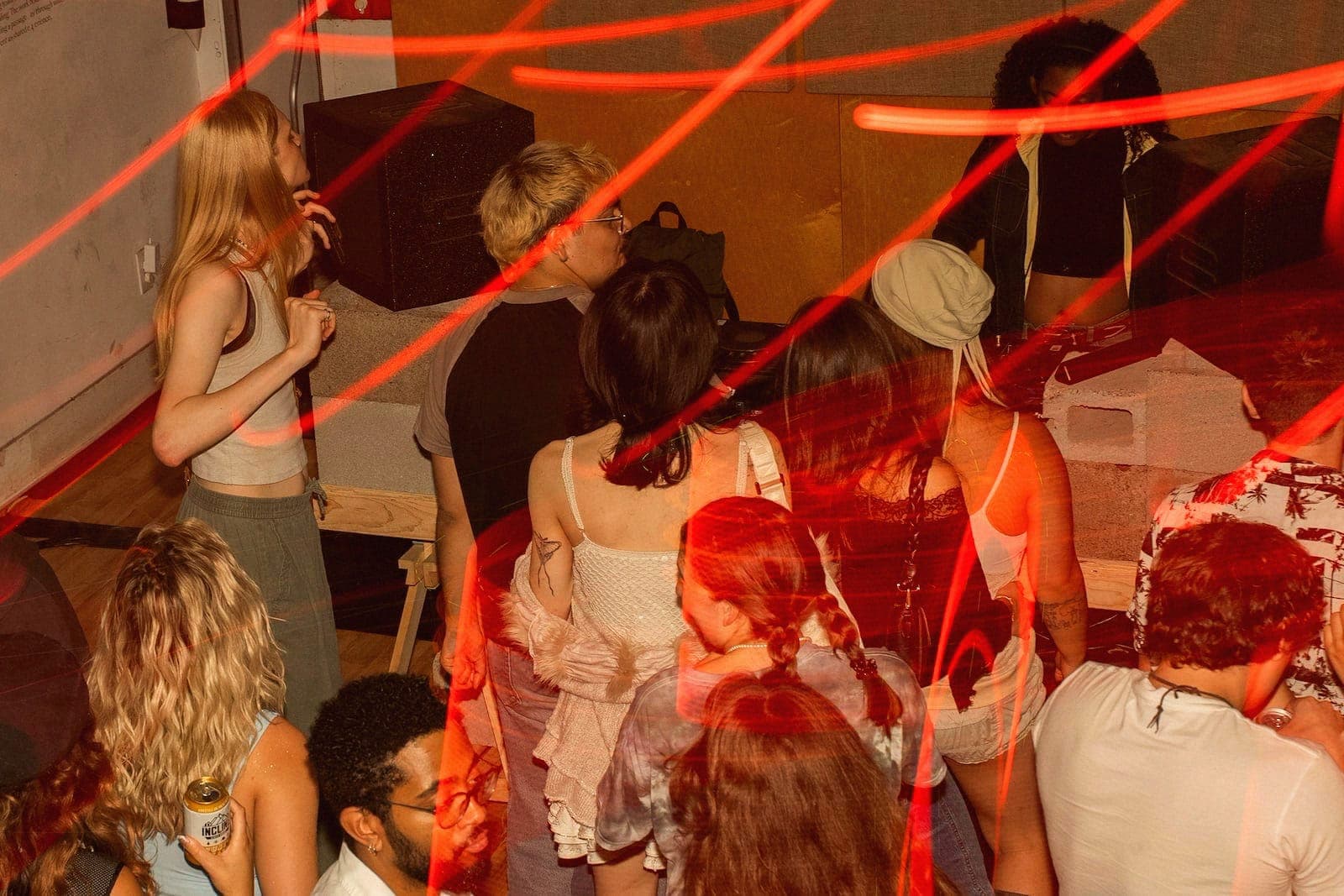
Jasmine Beach has worked the door at Barn Radio most nights since the club found its current home on SW First Avenue in 2024, checking IDs in her signature Kangol hat while a room built for 75 people fills up for a DJ most of Portland has never heard of, usually flown in from somewhere most of Portland has never been.
That is the point. In three years the venue she co-directs with Cole Johnson under their werk in progress platform has hosted more than 170 events and roughly 300 international artists from over 30 countries, booked specifically around experimental house, techno, footwork, broken beat and African electronic subgenres rather than the festival-circuit sound that dominates most American club calendars. Oregon Public Broadcasting profiled the space on October 19, framing it as a rare Black-led outpost keeping electronic music's Black and queer roots audible in a city not known for either.
Why does a 75-capacity room matter beyond Portland?
Barn Radio grew out of a 2023 pop-up night that started during a snowstorm with borrowed speakers and an Ikea DJ booth, according to Portland Monthly's earlier reporting on the space. By the time it settled into its current Old Town address in 2024, it had already built the booking relationships that let it pull DJs from South Africa, Portugal, Sweden, Colombia, Tanzania and beyond into a room smaller than most people's living rooms back home.
"For me there is real significance in the fact that a Black-led space in Portland can participate in that global conversation," Beach told OPB.
Johnson, who handles curation and the venue's poster design, has been blunt about what the booking is not. "We don't brand ourselves as an EDM venue," he told OPB. "We like to play more underground things that are a little bit less commercially motivated." That is a real position in a touring economy where festival-EDM fees dwarf what a 75-cap room can offer, and it is one reason Barn Radio's lineups read like a Boiler Room back catalog rather than a Beatport chart.
Can $50,000 actually fix a venue this small?
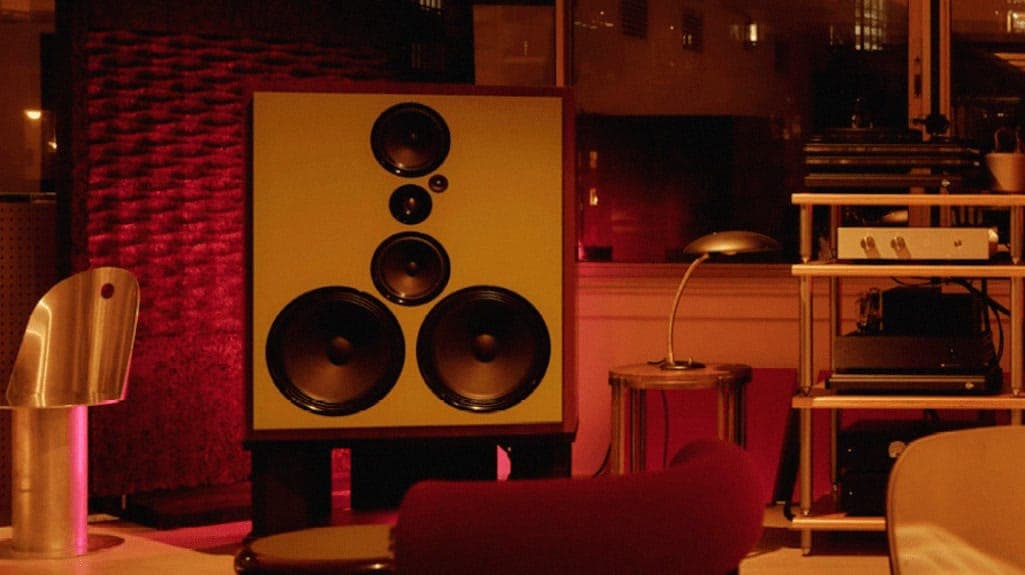
The money problem is not abstract. Barn Radio launched a GoFundMe in February 2026 after telling followers on Instagram, "Many of our house speakers and lights are blown. We borrow gear. Our bar runs off of a cooler and ice," according to Resident Advisor's coverage of the campaign at the time. The $50,000 goal covers a new sound system, lighting, a point-of-sale system and CDJs, which run $6,000 or more a pair, plus an operational cushion. As of the OPB profile, the campaign had raised $30,000.
The venue also runs under real constraints: it is restricted from selling hard liquor, and it keeps sliding-scale tickets available for queer and trans people of color, which caps how much a single sold-out night can recover. None of that is unique to Barn Radio. It is the normal math of running an independent room that books for the scene rather than the algorithm, in a secondary American market with none of the infrastructure that New York, Chicago or LA can lean on.
Why it matters
US secondary markets rarely get written up for their underground infrastructure, and Black-led venues get written up even less. A room this size punching 30-plus countries deep into its booking roster is proof that reach does not require a major city or major capital, just a consistent point of view and people willing to run a bar off a cooler of ice to keep it.
What we think
The dollar amounts here are tiny next to a single festival stage budget, and that is exactly why this story is worth telling. Scenes like Barn Radio's are the actual load-bearing structure of underground electronic music in the US: not the headliners, the 75-capacity rooms that take a chance on a footwork producer from Tanzania and eat the risk when the liquor license won't cover it. If public broadcasting is paying attention, more local press should be too.