How did Black Coffee get to the O2?
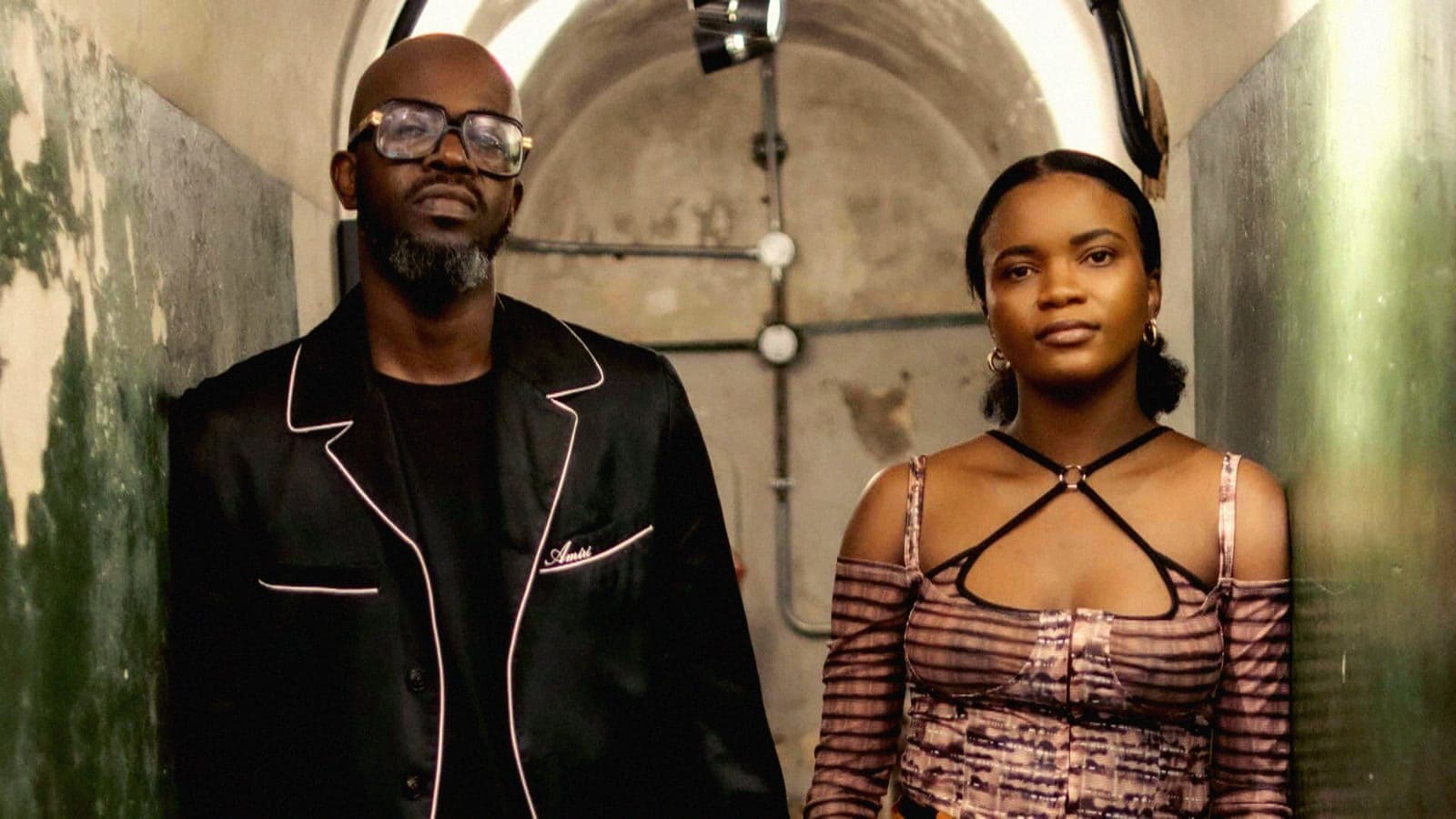
Black Coffee was born Nkosinathi Innocent Maphumulo in Durban in 1980. At 11, a car accident left him unable to use his right arm. He taught himself to DJ left-handed, built a career in Johannesburg's township parties, landed a Soulistic Music label deal, and spent two decades grinding toward international recognition. The Grammy win in 2022 for Best Dance/Electronic Album, with Subconsciously, made him the first African DJ on the Grammy podium. The O2 Arena sellout on 22 May 2026 is the next chapter: 20,000 tickets, sold out, in a building that hosts the Rolling Stones, Beyoncé, and boxing world championships.
What made the O2 show historic?
The number itself tells part of the story. The O2 holds 20,000 people. No African DJ had ever sold every seat. But the format also mattered: this was not a standard DJ set. Black Coffee structured the night as Afropolitan House, bringing a live orchestra and choir to London's biggest arena. Msaki, Monique Bingham, Nakhane, and Scorpion Kings all performed. The production pushed African electronic music into the production scale usually reserved for stadium pop or classical prom concerts.
What happened when Alicia Keys walked on stage?
The moment the O2 crowd will talk about for years came when Alicia Keys appeared from the wings. The pair have a ten-year history: their collaboration 'In Common' was released in 2016 and has remained one of the most-streamed intersections between house music and mainstream R&B. Until 22 May 2026, they had never performed it together live. The O2 became the first room in the world to hear that.
"The O2 is not just a venue, it's a statement. When a Black South African from Durban walks out in front of 20,000 people in London, it means something bigger than music."
What does this mean for African electronic music?
Signing to Ultra Music/Sony gave Black Coffee the global distribution infrastructure to build this audience across a decade. The O2 show is the return on that investment: proof that Afro House is not a niche export but a headline proposition. For the artists coming behind him, from South Africa, from Lagos, from Nairobi, the blueprint is now clear and concrete, not aspirational.