How does a fake act get past a real promoter?
The slot was a standard one: a weekly night that exists to give unknown, emerging musicians a stage. The act came recommended by an agency, and the agency's emails read like every other booking agent's emails. That was the whole trick. Good Intent founder Rob Carroll said he never opened the artist's Instagram, and that the representatives' communication "used wording consistent with genuine artists." The act was "booked through an agency, who presented themselves as professional."
Nobody in the room clocked it live. It took another musician on the bill, going through the act's socials after the fact, to find the tells.
Why does one small club night matter?
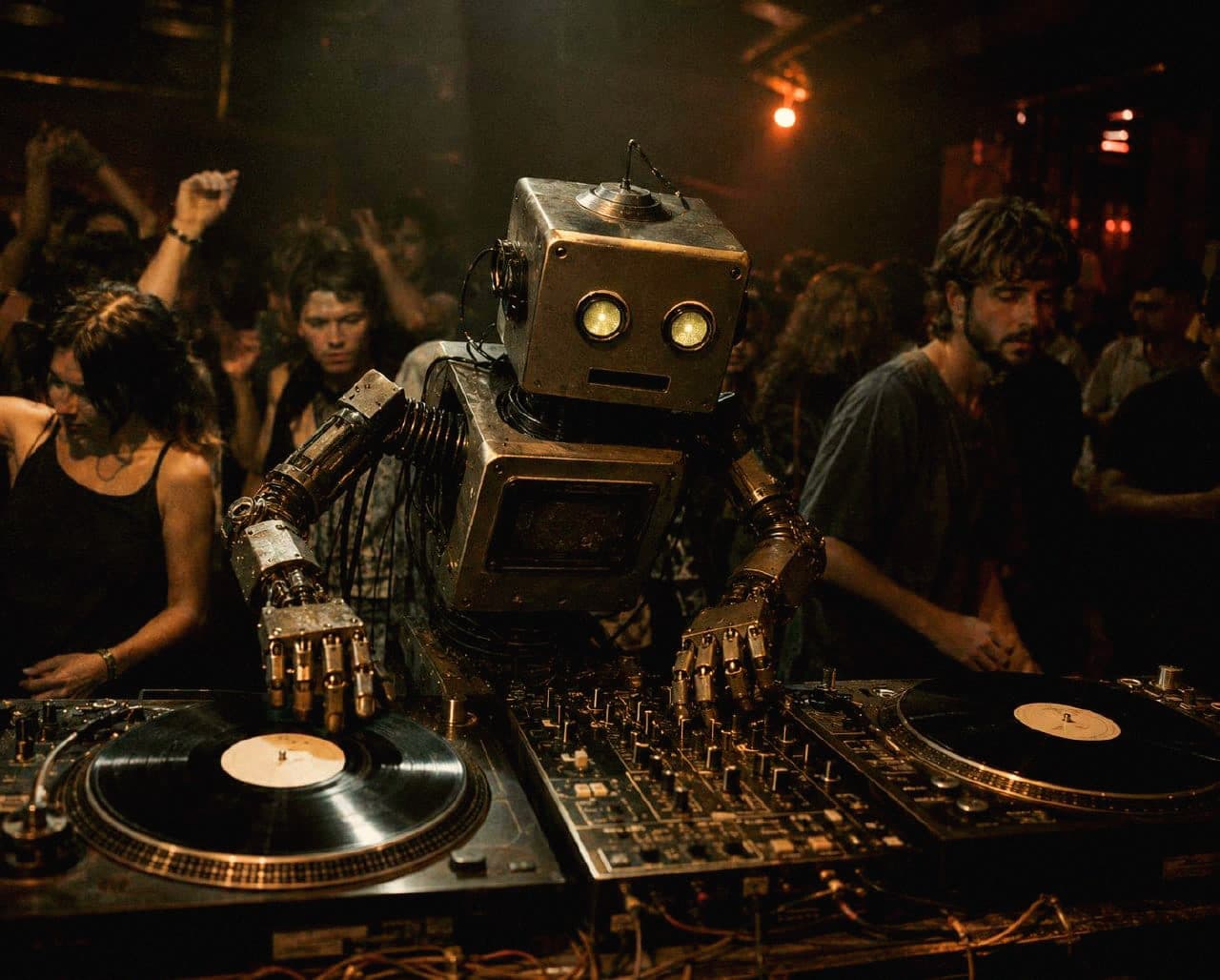
Because of what got taken. A room that runs a night specifically for emerging artists handed one of its scarce slots to software. A real person who could have played Bootleggers that Wednesday did not.
"The artist that played before us was AI-generated," Aidan Sammut said, "and there was no disclosure on any of the event's promotional material."
What did the promoter actually commit to?
Carroll took it on the chin rather than hiding behind the agency. "Good Intent and Bootleggers have never knowingly, and will never, book people who use AI to generate music," he said. "We don't support AI, we support genuine artists." Both the venue and the agency committed to donate to Support Act and to rebuild how they vet the acts they put on. The harder question is what a vetting process even looks like now, when a press email and a passable Instagram are all it takes to pass.