Bob Sinclar: "What can you do in Ibiza with €2,000 today? Stay two or three days?"
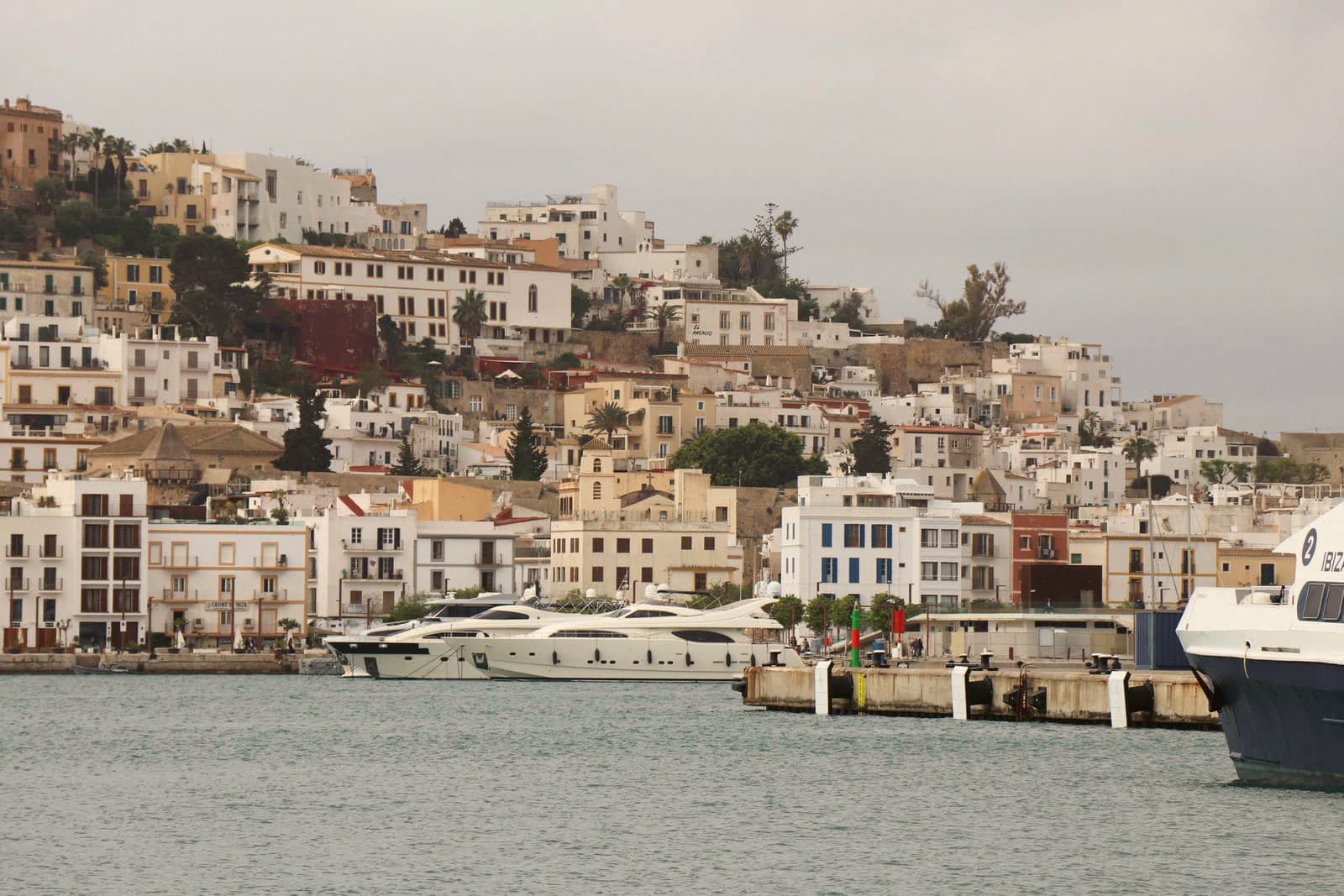
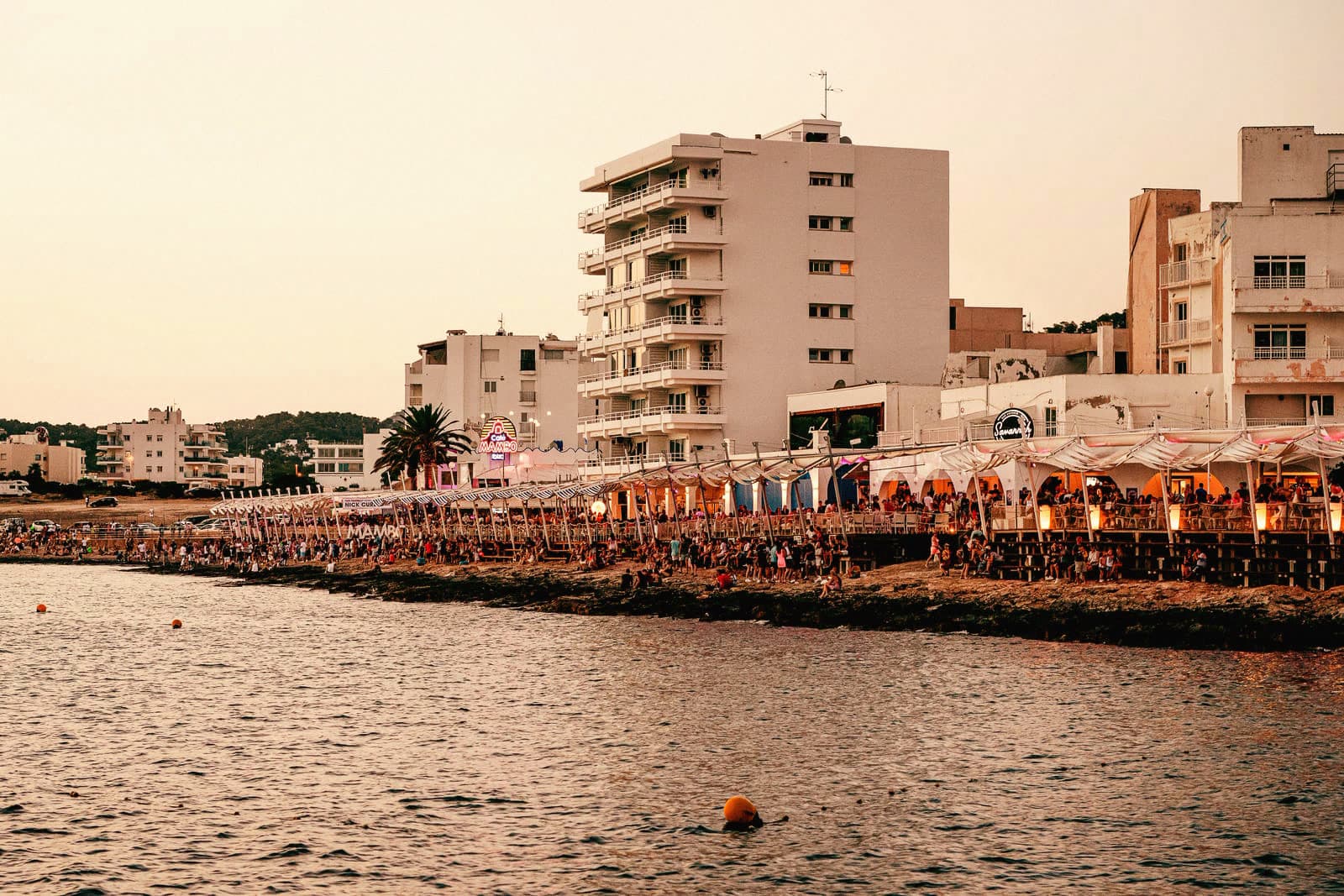
French house legend Bob Sinclar is raising concerns about Ibiza's rising prices, warning that the island risks pushing away the very clubbers who made it the global capital of electronic music.
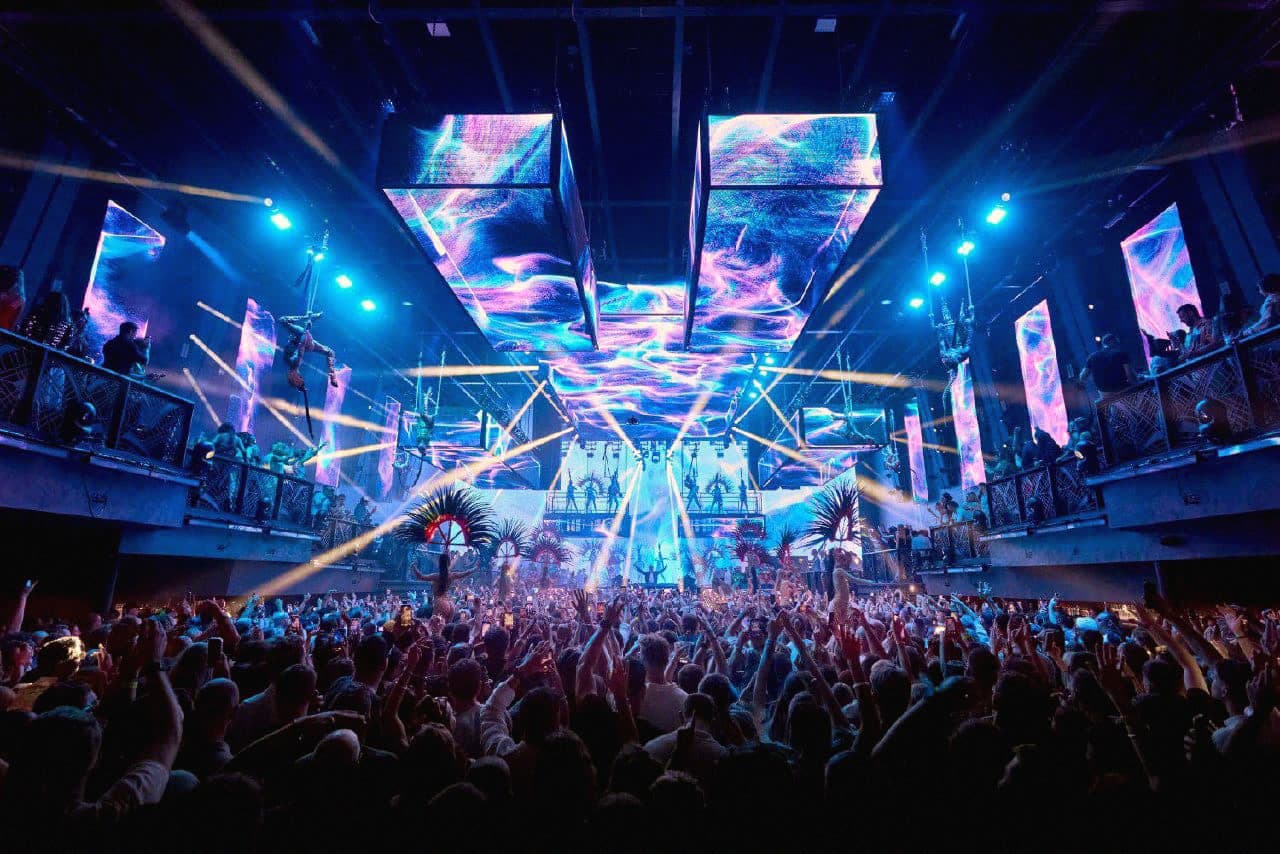
Ibiza remains one of the most extraordinary destinations in the world for dance music. In a single week, visitors can experience some of the biggest DJs on the planet, explore different genres, and discover sounds they might never encounter anywhere else.
For Bob Sinclar, that is precisely what makes the island so special.
"You can experience every style of music in one week. Imagine all the incredible DJs you can see. It's the only island in the world where you can do that," he explains, emphasizing Ibiza's enormous influence on global clubbing culture.
But while its musical offering remains unparalleled, Sinclar believes the island's growing exclusivity is becoming a serious concern.
"What can you do in Ibiza with €2,000 today? Stay two or three days?"
The French DJ points out that many people have a holiday budget of around €1,500 to €2,000, an amount that can disappear remarkably quickly on the island.
He also recalls seeing tickets priced at €300 or even €350 for a single night out.
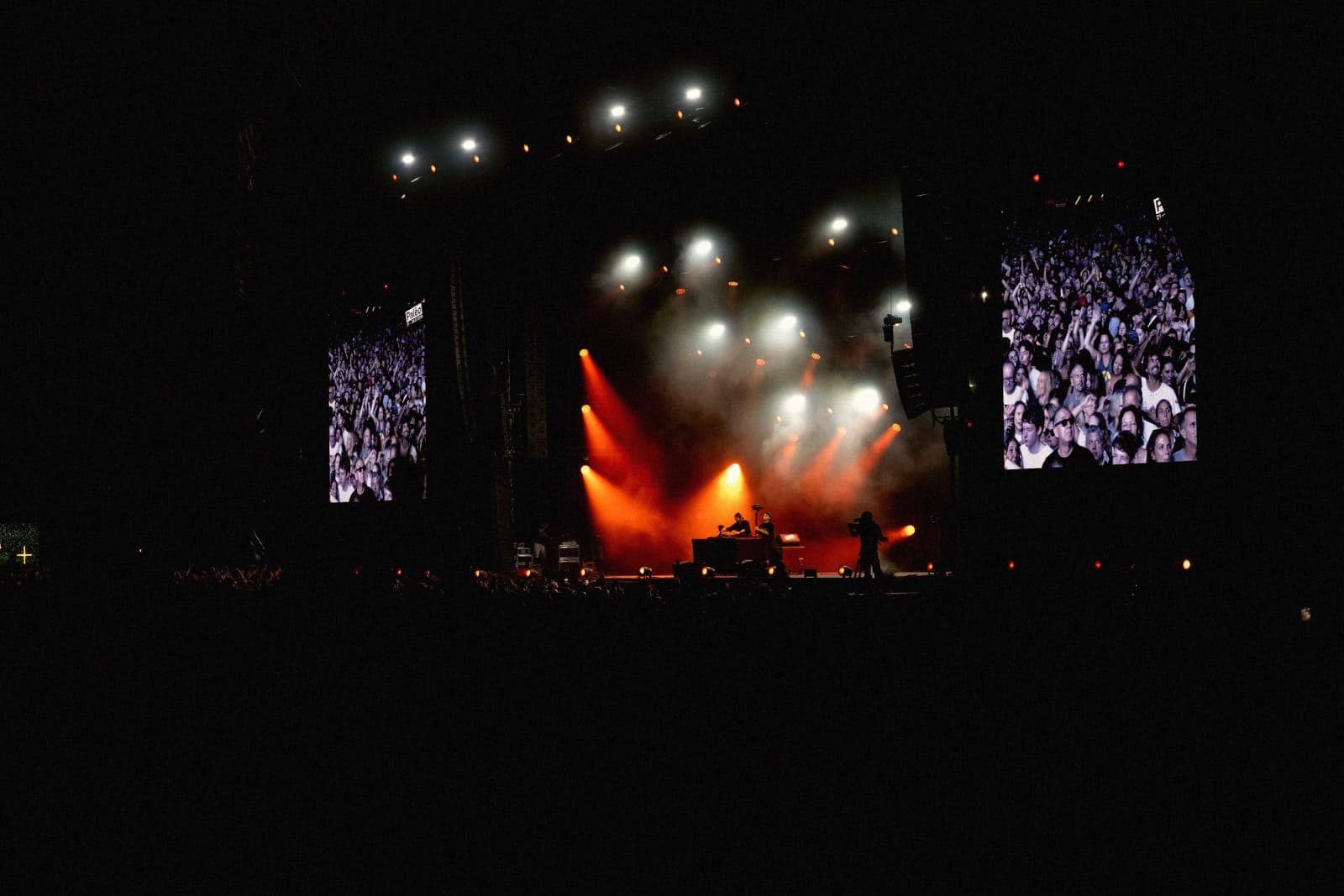
And while those figures don't represent every event, premium and high-demand parties can reach extraordinary prices. During the 2026 season, general admission for certain Music On events at Pacha climbed above €200, while more affordable nights remained available elsewhere.
For Sinclar, the concern isn't simply about money. It's about protecting the identity of Ibiza itself.
"Clubbers are the essence of Ibiza. We have to be careful about that. We have to protect them."
Rather than rejecting the island's luxury market, Sinclar suggests a different balance: charge more for VIP experiences while keeping general admission more accessible.
"Charge the VIPs more, but maybe make the entrance a little cheaper," he suggests, acknowledging that he isn't trying to tell promoters how to run their businesses.
His perspective comes from experiencing what he describes as a golden era of clubbing, when people from different backgrounds came together for the same reason: the music.
"We were all united by going to see a DJ, listening to music, dancing, and discovering new things."
It's a reminder of what made Ibiza legendary in the first place. Not the VIP tables, the expensive bottles, or the exclusivity, but the shared experience of the dancefloor.
Ibiza's transformation into a global luxury destination has undoubtedly created new opportunities for clubs, artists, and promoters. But it also raises an important question about the future of its culture.
If the next generation of passionate music lovers can no longer afford to experience Ibiza, who will carry its clubbing legacy forward?
Sinclar's message isn't that Ibiza has lost its magic. Quite the opposite. He believes its musical influence remains extraordinary, and that's exactly why he wants to see it protected.
Because Ibiza's greatest luxury has always been the music, and the freedom to experience it together.