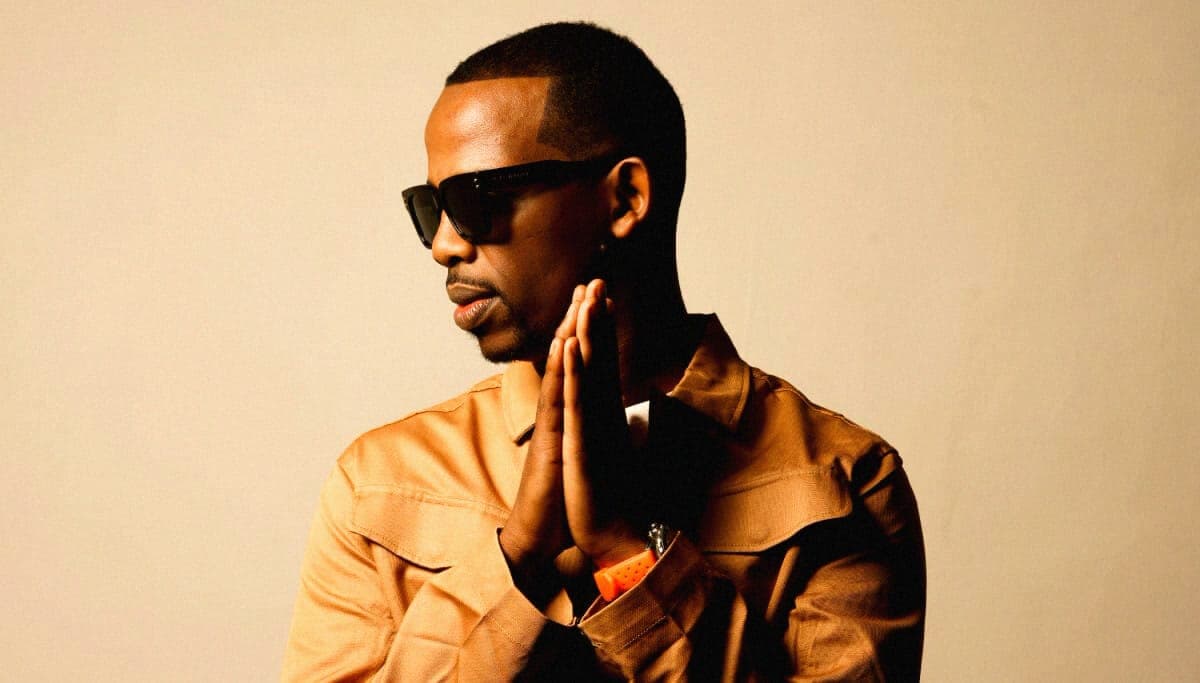
What is Boddhi Satva actually saying?
Boddhi Satva has spent a quarter of a century building the fusion of African rhythm and house he calls Ancestral Soul, so when he says the genre has changed he is talking about his own front yard. In a new interview he puts it bluntly: the sound is everywhere now, and it has been gentrified. The sting is in the second half of the sentence. The style sells out rooms and tops the trend reports, yet, he says, the underground DJs who carried it for years are still getting offered around 100 dollars a show.
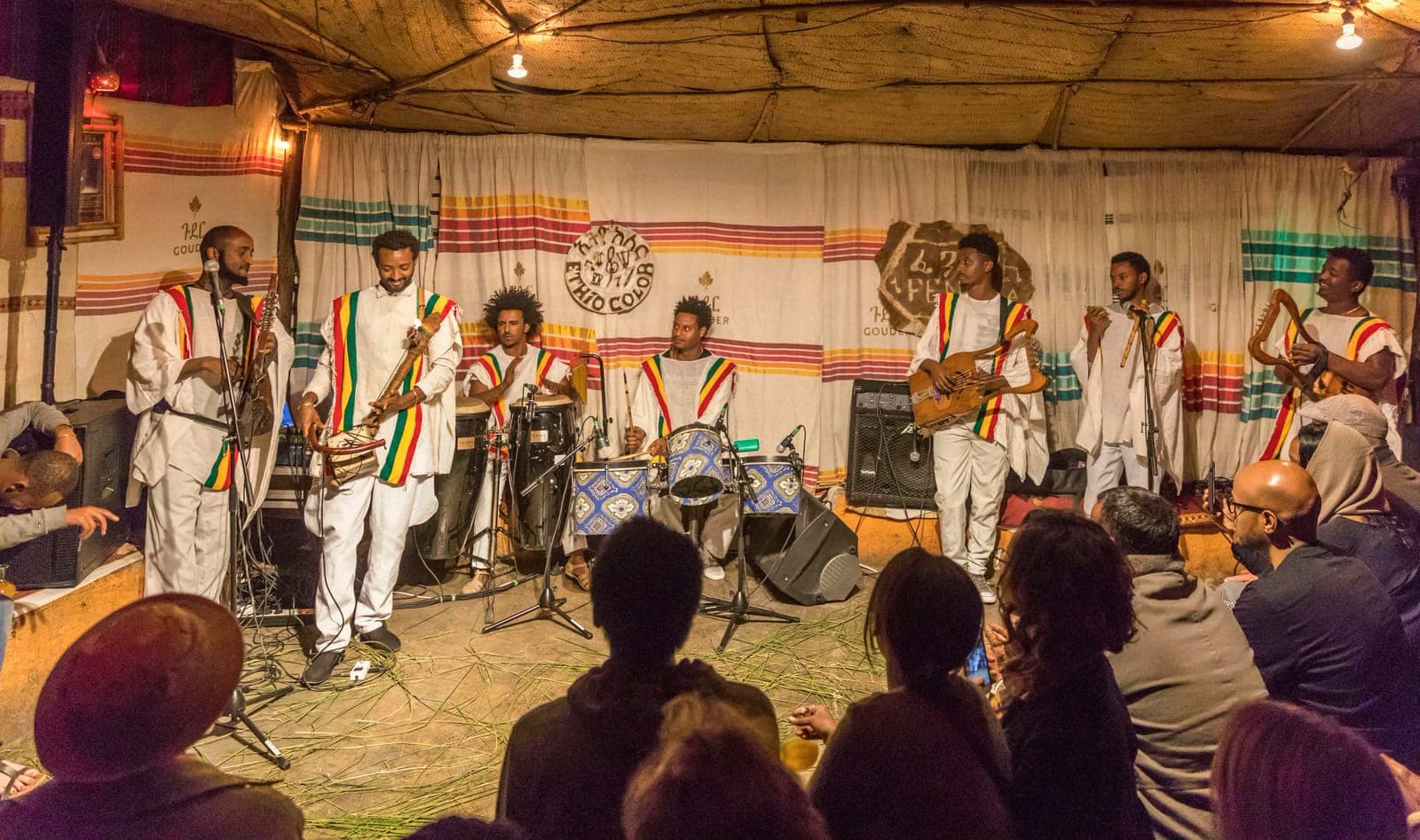
That gap is the story. Afro House is no longer a niche, it is one of dance music's fastest-rising sounds, and the people who built its language have watched the value float up and over their heads.
Does the industry data back him up?
The numbers are not shy. On Splice, one of the biggest sample platforms producers actually use, Afro House climbed from the 10th most searched genre in 2023 to 2nd by 2025, a rise flagged at this year's IMS. When a sound moves that fast, the money and the bookings tend to concentrate at the top of the bill, which is exactly the squeeze he is describing for the DJs at the bottom.
What is on the album?
The record is called Closure, a title he ties to shutting chapters that have stayed open too long. He describes roughly ten to twelve tracks built the way a producer raised on sample culture builds them, worlds assembled from fragments and cinematic atmosphere rather than a straight club checklist, and he is aiming for October 2026, possibly earlier. Signed and mentored years ago by Louie Vega of Masters at Work, he keeps returning to the same idea: hold the door. When you get through, he says, be a gate opener, not a gatekeeper.
Now it is everywhere and the sound has been gentrified.