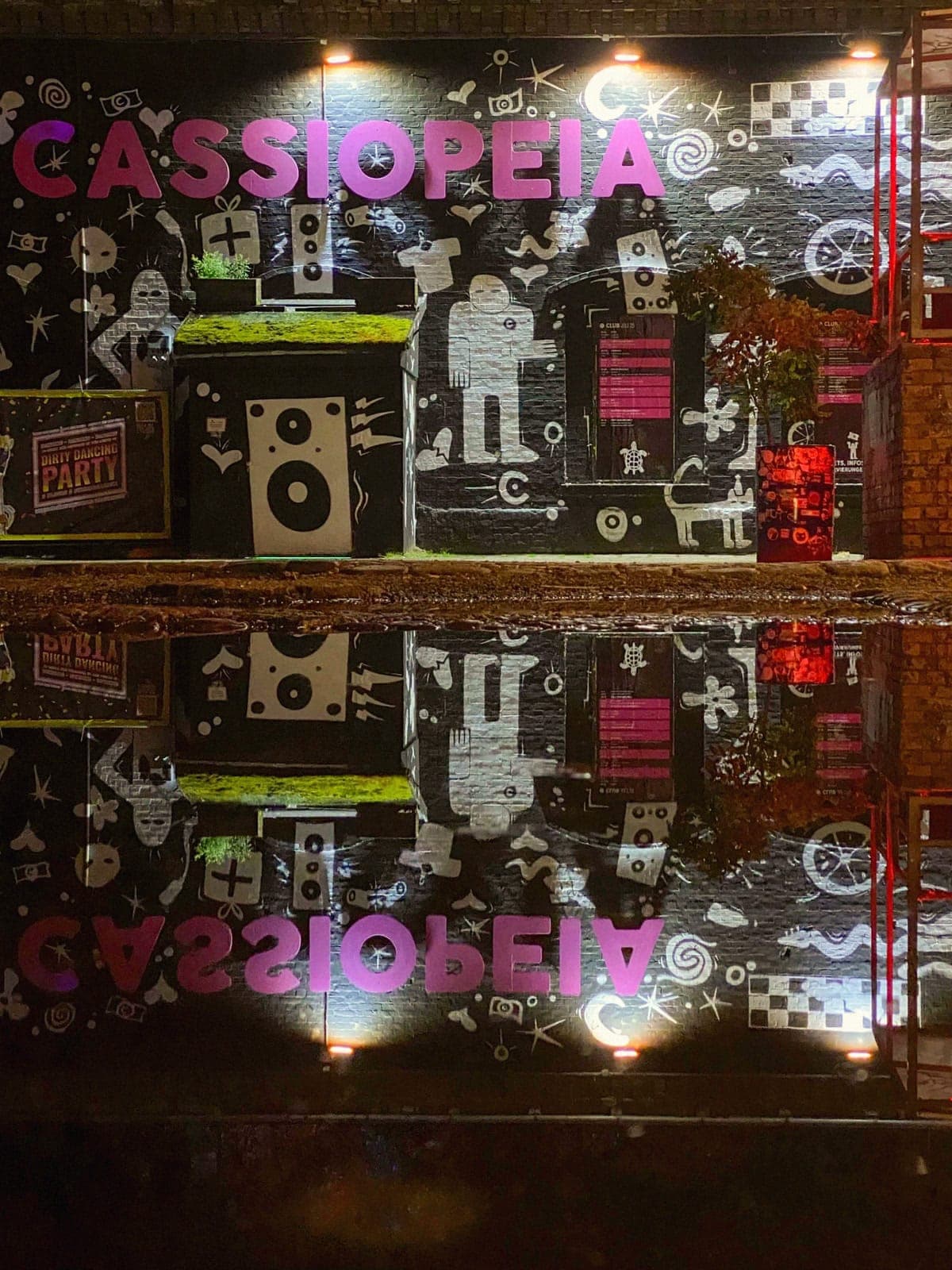
Cassiopeia is not closing this summer. That's the news out of Berlin on August 11, when the Friedrichshain-Kreuzberg district and the Berlin Senate struck an interim lease with The Kurth Group, the private real estate company that owns RAW Gelände and had spent June trying to evict the club entirely.
It is not, however, a resolution. It's a rescue with an expiration date, and the city is the one paying for it.
What did Berlin actually agree to pay for?
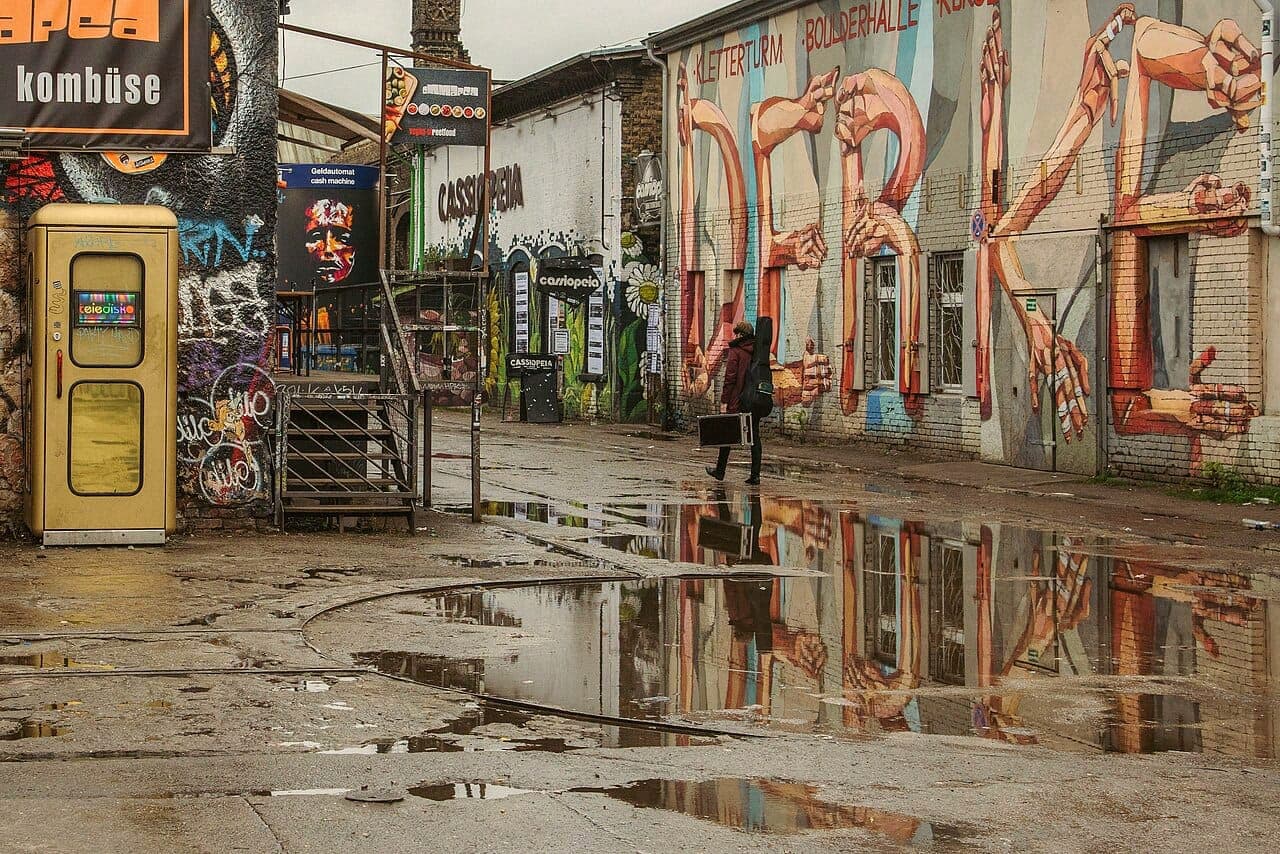
The deal covers Cassiopeia, Skatehalle Berlin, the Sommergarten and the rest of the site's so-called Sociocultural L, the cluster of clubs, artist studios and youth projects that has defined RAW Gelände since the 1990s. It runs two years, with an option for a third if a permanent building plan still isn't finalized by then, and it comes at a new rent of roughly 11.20 euros per square meter, up from about 4 euros previously, close to a million euros a year in total.
The district is covering years one and two out of its own budget; the Berlin Senate administration has committed to picking up year three. Roughly 40 percent of that rent is earmarked for actual building maintenance on a site that dates to 1867, not simply flowing to the landlord. Greens district councillor Florian Schmidt called the scale of the public subsidy 'an incredible priority decision,' which is one way to describe taxpayers effectively subsidizing a private landlord's asking rent to keep a nightclub's lights on.
How close did Cassiopeia actually come to shutting down?
Closer than most of the scene realized. Kurth Group, which bought the RAW site in 2015 with commercial and residential redevelopment in mind near Amazon's German headquarters, had been negotiating a 30-year master lease that would have secured the clubs' rents in exchange for allowing new construction on part of the site. On June 16, the company walked away from that table, telling operators the previously agreed terms hadn't been honored and that a legally secure planning outcome was no longer realistic. Cassiopeia got two weeks to vacate.
The club's answer, posted to Instagram the same day, was blunt: 'we're not giving up.' Operators warned publicly that an eviction would trigger the venue's immediate insolvency and put more than 80 connected projects, studios, the skatepark, smaller promoters, at risk, since Cassiopeia functions as the site's financial anchor. Berlin's Senate and the district government both criticized Kurth Group's move at the time and pushed for renewed talks, which is what eventually produced the August 11 stopgap.
'We're not giving up.', Cassiopeia, Instagram, June 16, 2026
Is this Wilde Renate all over again?
The comparison is obvious and it's not wrong, but it's not a guarantee either. Wilde Renate faced near-identical landlord pressure and an eviction threat in 2022 and came out the other side still open, still booking, still one of the city's reference points for what a negotiated survival looks like. RAW Gelände's interim deal is a real step in that direction: it buys Cassiopeia time, keeps its neighbors intact, and gives the district and Senate leverage to keep negotiating toward that 30-year master lease.
But two other Berlin spaces in the same window weren't so lucky. Das Gift, the Neukölln bar, and KWIA, the ambient venue, both closed over the same kind of rent and landlord pressure this year, with no city subsidy riding to the rescue. Cassiopeia's size and its role as an anchor for dozens of smaller projects bought it a seat at the table that a single bar or listening room doesn't get. The actual building plan, the tower, the roughly 300 apartments, the 30-year lease, still has to clear the district assembly and the House of Representatives' main committee before September's election. Until that happens, RAW Gelände is safe for two summers, not for good.
Why it matters
A German city government now underwrites a portion of a private landlord's rent to keep an underground club solvent, on the record, at scale. That's either a genuine model for defending nightlife against real estate pressure elsewhere in Europe, or a one-off that only worked because Cassiopeia was big enough, and loud enough, to force it.
What we think
Credit where it's due: the district and the Senate actually moved money, not just statements, to keep this space alive, and that's rarer than the usual round of officials 'expressing concern' while a club gets bulldozed anyway. But calling this a win undersells what just happened. Berlin is now paying nearly triple the old rent to a landlord who tried to walk away from a deal it had already agreed to, and the actual 30-year fix still depends on a vote that hasn't happened. Cassiopeia earned this reprieve by being loud, organized and financially load-bearing for 80 other projects. Das Gift and KWIA didn't have that leverage, and they're gone. That's the part worth sitting with.