Why is a hip-hop crossover festival booking techno's biggest headliner?
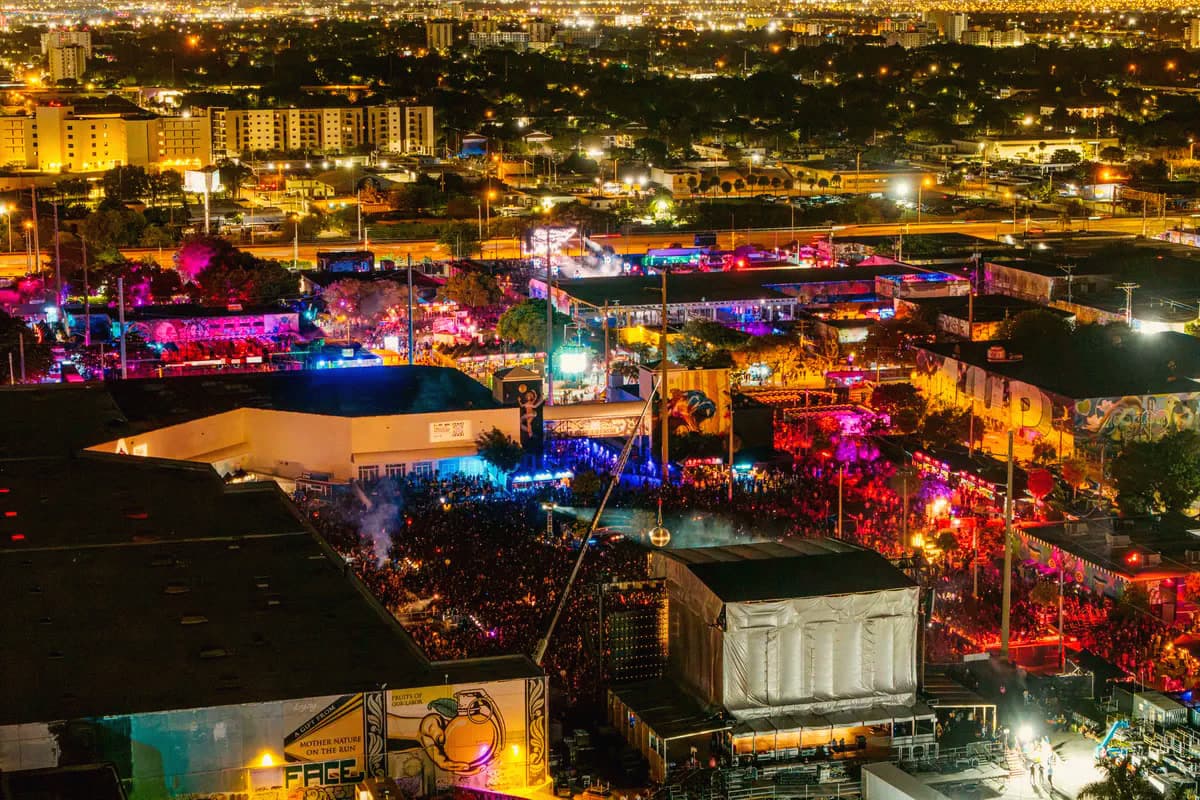
Charlotte de Witte and Four Tet sit at the top of the III Points 2026 poster, next to Underworld, Flying Lotus, Blood Orange and GZA. The Miami festival has always traded on that mix: indie, hip-hop and underground electronic sharing a bill across five city blocks of Mana Wynwood, 12 stages and more than 150 acts, October 16 and 17. Booking de Witte and Four Tet is the clearest signal yet that a non-electronic-first US festival sees real ticket-moving value in techno and left-field dance music, not just a token late-night tent.
What does 'headliner' actually get you on this bill?
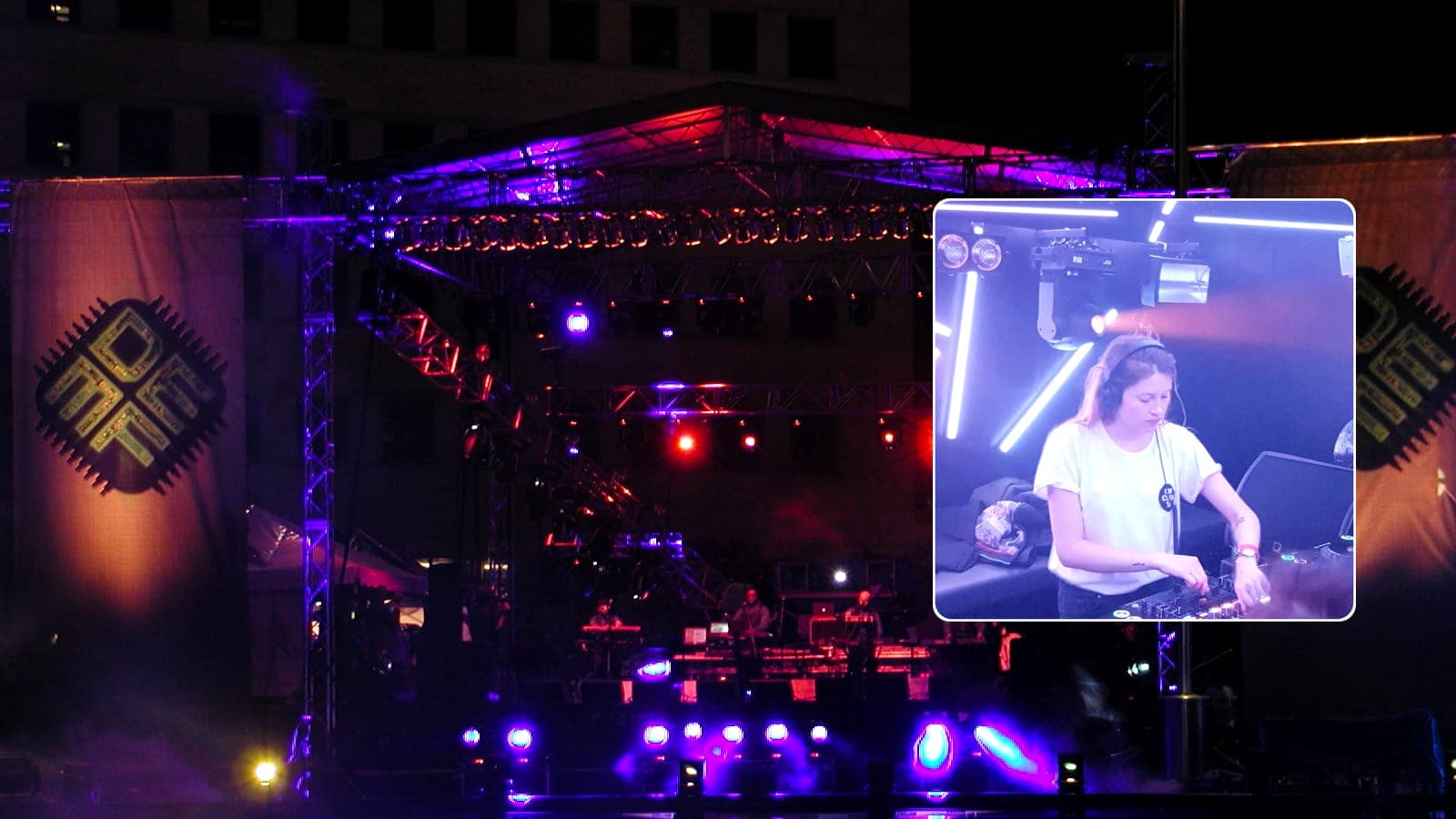
Not the main stage at 10 p.m. De Witte, arguably the biggest pure-techno draw in the world right now, plays a single hour: 3 to 4 a.m. Saturday on the RC95 stage. Four Tet gets 75 minutes, 1:30 to 2:45 a.m., on Mind Melt. Both names justify a chunk of the $179 to $375 ticket price, yet neither gets the prime-time real estate that status would normally buy at an electronic-first festival like Awakenings or Movement.
Headliner billing and a 3 a.m. start time are not the same thing, no matter what the poster says.
Why does the scheduling matter?
This is the pattern at most US crossover festivals: techno and left-field electronic get used to sell tickets to a wider indie and hip-hop crowd, but the stage hierarchy still reserves prime time for rock and rap-leaning acts. De Witte's draw at a dedicated techno event like Awakenings or Tomorrowland's Freedom stage would command the same billing AND the better slot. At III Points, she gets the billing without the slot.