What makes the Werchter version different from the rest of the tour?
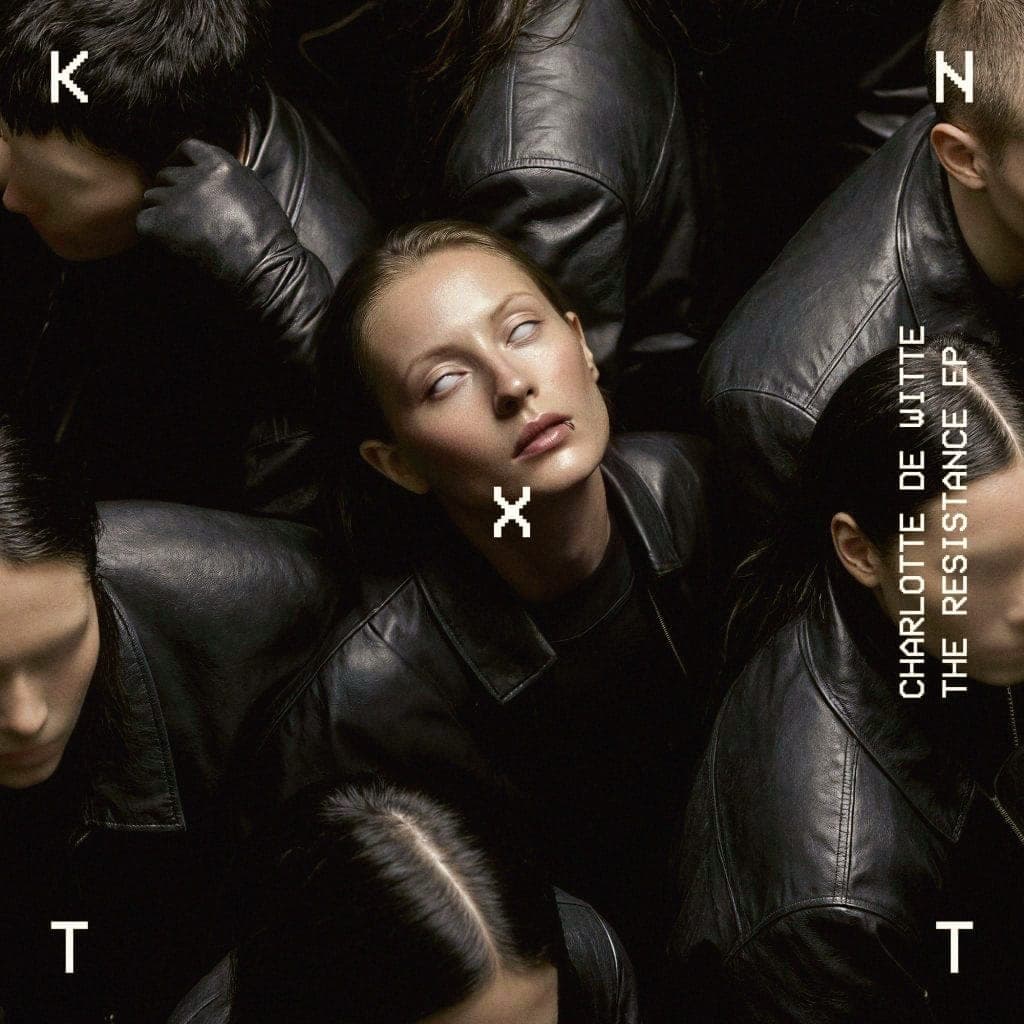
Charlotte de Witte has been running The Resistance since it premiered at [UNVRS] in Ibiza, then carrying it to We Love Green in Paris and Sonar in Barcelona, both of which ended in standing ovations. For Werchter she rebuilt it. She calls this one XXL and history-making, and says it reveals a component no earlier stop has seen, put together in around three weeks of preparation.
The scale is the point. The Resistance moves out of the club and out of the dedicated dance context and into Rock Werchter's Barn, a 20,000-capacity tent at the biggest rock festival in Belgium. This is the closing set. The visual identity is the work of Johanna Jaskowska, a digital artist and creative technologist whose practice runs across AR, CGI and photography, and that identity is what has to hold up when the room triples in size.
Is arena-scale techno still underground, or the spectacle the scene defined itself against?
Here is the tension worth sitting with. Techno grew up in rooms that hid the artist and put the crowd and the sound first. The Resistance does the opposite: it is a named, branded, touring audiovisual production with a signature look, closing a rock festival to twenty thousand people. That is arena logic, the same logic techno once positioned itself against.
The Barn is a rock room. Filling it with a techno live show is a statement about who gets the main-stage slot now, and de Witte is making it in her home country.
The fair reading is that both things are true at once. The music underneath is still hard, still fast, still recognisably hers. What has changed is the frame around it. Whether a 20,000-cap tent can hold the intensity that made the smaller rooms matter is the real question, and Werchter is where she tests it.