Why are nightclubs disappearing faster than bars?
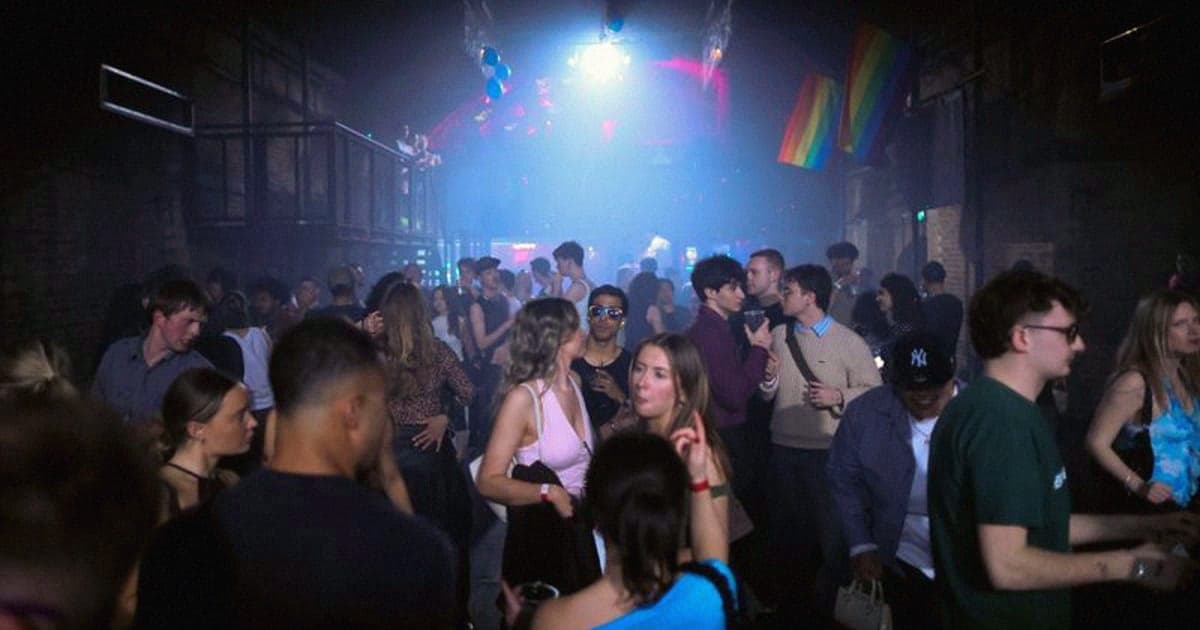
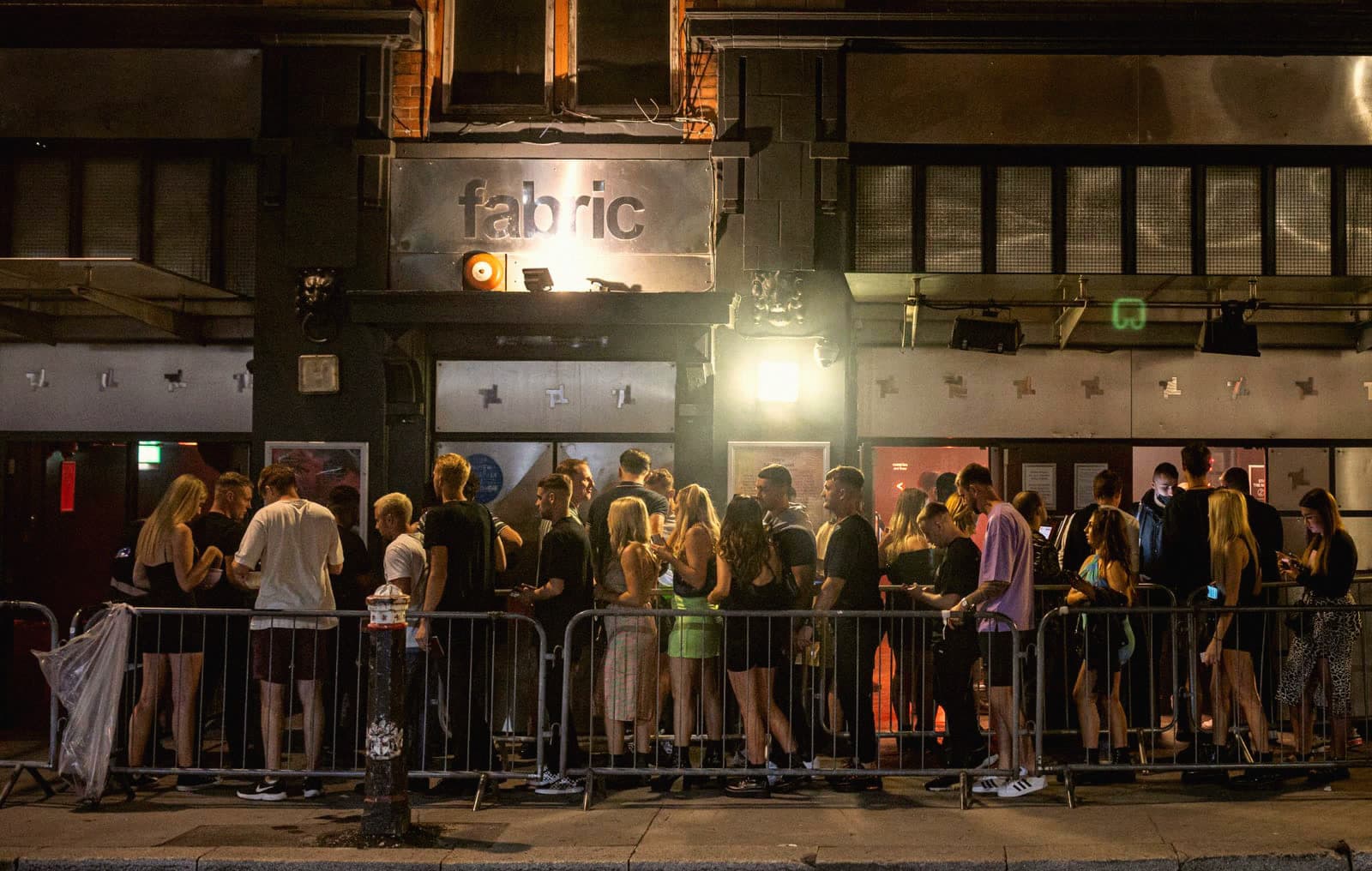
The Night Time Industries Association (NTIA) and data firm NIQ tracked every licensed late-night venue in Britain and found a split that should worry anyone who cares about club culture specifically, not "nightlife" as a catch-all. Nightclubs are down 36.1% since March 2020, roughly six net closures a month, the single worst-performing category the NTIA tracks. Late-night bars are down 23.9%. Ordinary bars, the kind that shut well before 1am, are up 3.1% on pre-pandemic levels and 1.3% year-on-year, with roughly one in nine trading today having opened in just the past twelve months.
The reason isn't mysterious. A nightclub carries the highest fixed costs of any category here: the late licence, the security staffing, the insurance, the energy bill for a room built to run past 2am, against a customer base going out later at night less and less often. A bar with a kitchen and a 10pm last order carries none of that.
"Almost three in ten late night venues have disappeared since Covid and more than a third of our nightclubs have gone. That cannot become the new normal."
Is the 0.4% uptick a real recovery?
Late-night venue numbers rose 0.4% between March and June 2026, NTIA's first quarterly gain in two years. It's real, but read the rest of the sentence: the annual comparison is still down 3.1%, and the shape of the recovery is telling. Growth is concentrated in bars, not clubs, and it's arriving alongside a genuine shift in when people drink at all: 25.1% of on-premise sales now land in the 5pm-7pm window, ahead of the old 7pm-10pm peak at 24.4%. Among people who say they're going out earlier or less, 30% blame transport and 27% cite safety. That's not a dancefloor recovering, that's a night economy compressing into an earlier, shorter, lower-risk shape, exactly the shape a nightclub can't operate in.
What is the NTIA actually asking government to do?
NTIA chief executive Michael Kill wants the October Budget to bring "meaningful action" on taxation and the cost of doing business, plus real investment in transport, safety and late-night infrastructure, the conditions, he argues, that let operators invest and hire rather than just survive. He didn't attach a number to any of it in this release, no VAT figure, no business rates ask spelled out, but the framing was blunt:
"There is a recovery waiting to happen, but the Government now has to decide whether it wants to accelerate it or tax and cost it out of existence."
That's the test the NTIA is setting for the Budget: not whether nightlife survives in some form, bars are proving it will, but whether anything shaped like a nightclub is still standing on the other side of it.