What actually separates a "fully live" modular set from a normal DJ set?
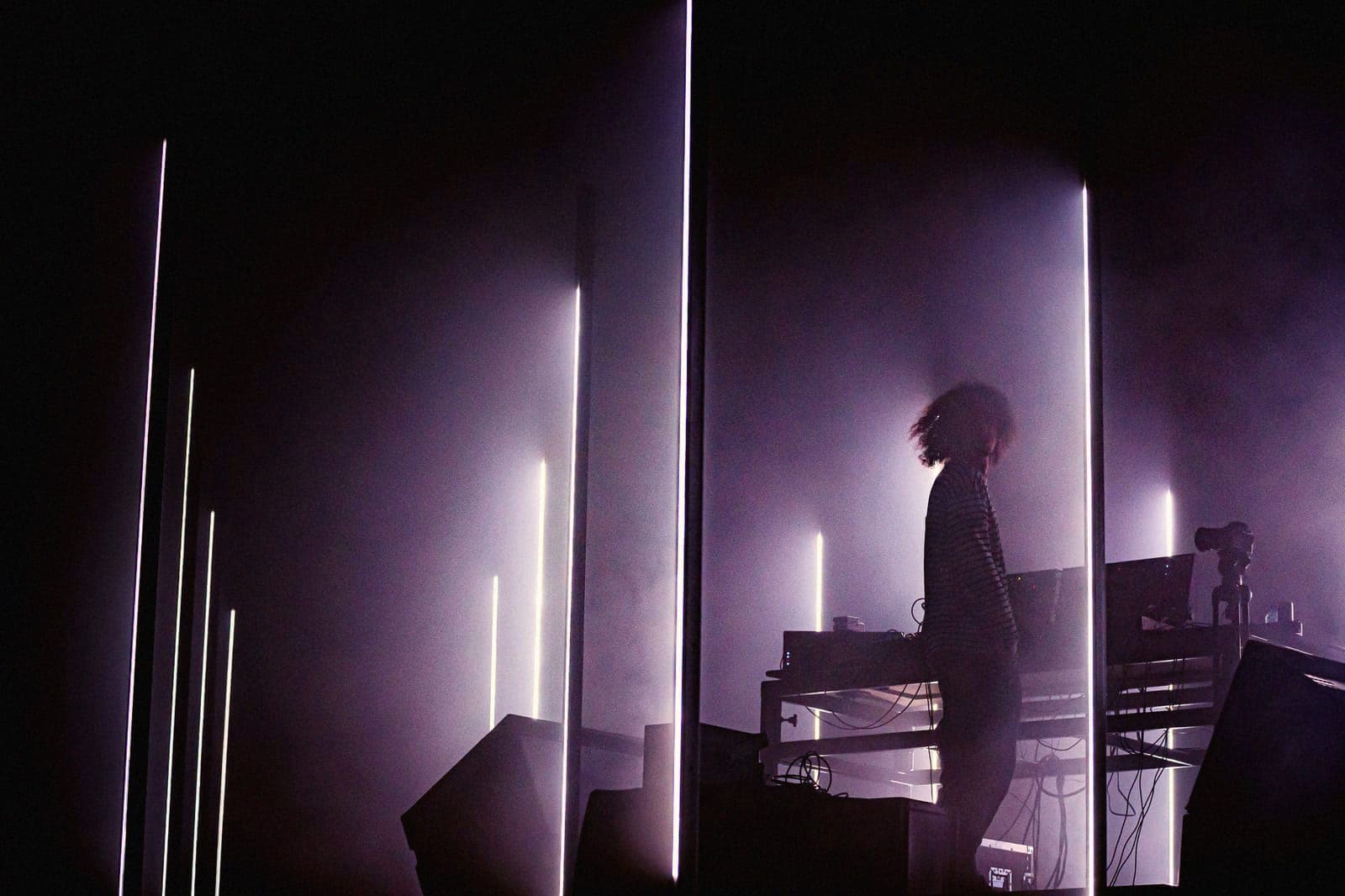
Most touring techno sets, even the ones billed as "live", run on a laptop: stems in Ableton, loops triggered from a grid, maybe a few hardware boxes layered on top for texture. Colin Benders doesn't carry a laptop at all. His entire rig is Eurorack: oscillators, filters and sequencers patched together with cables, and every kick drum, bassline and transition in the set is built from scratch in the room, in the moment, with no prerecorded audio anywhere in the signal path. If a patch drifts or a module misbehaves, there's no safety net, no stem to fall back on. That's the trade he's made his name on since the 2010s, and it's why his Toronto debut at a FORMAT show on October 11 drew attention beyond the usual local crowd: this wasn't a DJ set with a hardware garnish, it was a full modular performance, start to finish.
Who else played, and why does Henning Baer's name matter here?
FORMAT billed Benders alongside Henning Baer, Measure Divide and Geneva (2). Baer isn't just another touring DJ: he co-founded Grounded Theory in Berlin back in 2009, and the party grew into one of the city's most respected techno institutions, with Baer as its longtime resident. Grounded Theory has built its reputation on pulling in sounds that don't usually get a slot on a typical Berlin techno night: forward-leaning UK music, experimental electronics, underground names from well outside the usual circuit. Putting Baer's curatorial pedigree next to Benders' hands-on-hardware set made for a lineup that leaned hard into substance over spectacle, with Measure Divide and Geneva (2) rounding out a bill built for people who care about how the sound actually gets made, not just who's headlining.
Why keep the venue secret in the first place?
FORMAT didn't publish an address. Ticket holders got the location by email ahead of doors, a format that's become increasingly common for promoters running events that lean more warehouse-rave than nightclub booking, and that let the show skip the usual licensing friction tied to a named venue. It's a small operational detail, but it's part of the same instinct that put a hardware-only set on the bill: strip out anything that isn't the music and the room.