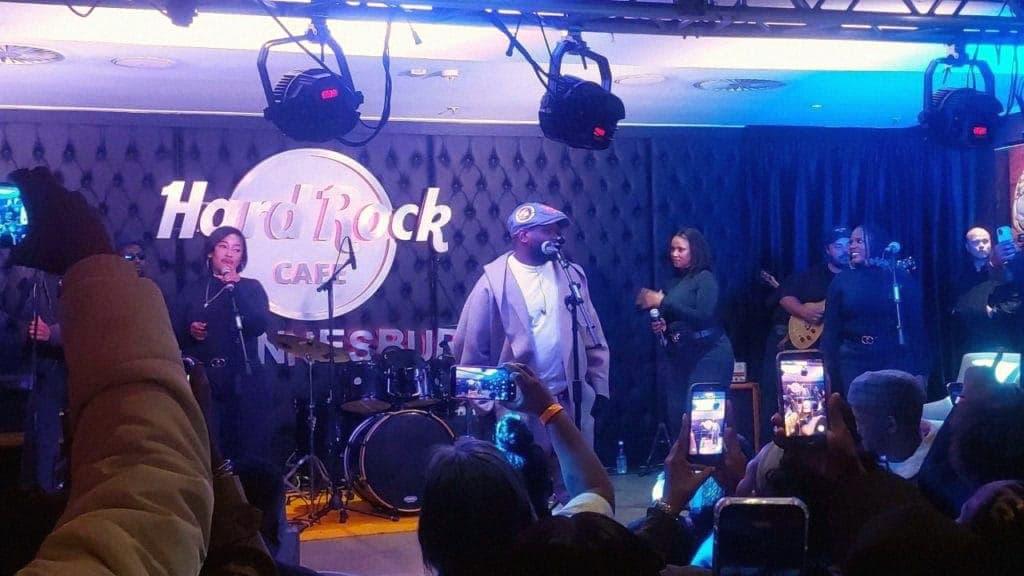
It was supposed to be a victory lap. Instead, Credo V Daniels walked off an eNCA stage into the biggest credibility test of his career.
The South African Afro house and amapiano artist had spent four months riding the wave of 'Sedilaka', a track that pulled in more than 6 million YouTube views and turned him into one of the country's fastest-rising names. Then came a live television performance that viewers say sounded nothing like the record. Clips spread fast, with fans asking the question that now defines his career: can he actually sing this live, or was the studio version built by something else entirely.
Why did the album disappear from Apple Music?
Within hours of the eNCA clip going viral, Daniels' debut album vanished from Apple Music. Neither Apple nor the artist has laid out exactly why. What's confirmed is the timing: a viral vocal mismatch, then a major platform pull, in the same news cycle. Daniels has acknowledged using AI-assisted tools somewhere in his production process, which is what turned a rough live take into a full-blown authenticity scandal rather than just an off night.
Is this actually an AI problem?
HYPE Magazine made the sharper argument once the dust started settling: AI itself isn't the issue. Studio tools have shaped house and amapiano production for decades, autotune and sampling included. The magazine's point was that a genre built on tools becomes an issue only when audiences feel lied to about what they're hearing.
Once that becomes manufactured or hidden behind artificial performances, fans naturally start feeling manipulated.
That line gets at what's actually being litigated online. It isn't whether Daniels used software. It's whether he let people believe a fully human performance was something it wasn't.
What happens to trust in Afro house now?
African music culture runs on the idea that a voice on record can also show up in a room and deliver. Break that link once, publicly, and it doesn't just cost one artist a bad news cycle, it hands every skeptic in the scene a reason to ask the same question of the next viral single.
The tracks themselves haven't stopped being good. Removing the record from one store doesn't erase the songs people already loved before this broke. The damage is to trust, not talent, and trust is much harder to get back.