Why does a scene need a messaging app instead of a club?
Cuba got mobile internet in 2018. That's the starting gun for basically all of this: a generation of Cuban producers writing glassy ambient tracks, vaporwave, jazz-inflected club music and electro-acoustic fusion on laptops, then trading files, mix notes and release plans inside Telegram groups because there's often no other way to reach each other. A scene report from Bandcamp Daily, published August 13, lays out the shape of that world: an island-wide network of musicians who rarely share a room but constantly share a chat.
"We are all on the same island, but we can't have time together."
Transit, cost and Cuba's broader economic isolation make the in-person scene infrastructure every other underground electronic hub takes for granted hard to sustain. Telegram fills the gap. It's the rehearsal space, the record shop counter, the group chat where a mix gets passed around before anyone calls it finished.
Who's actually making this music?
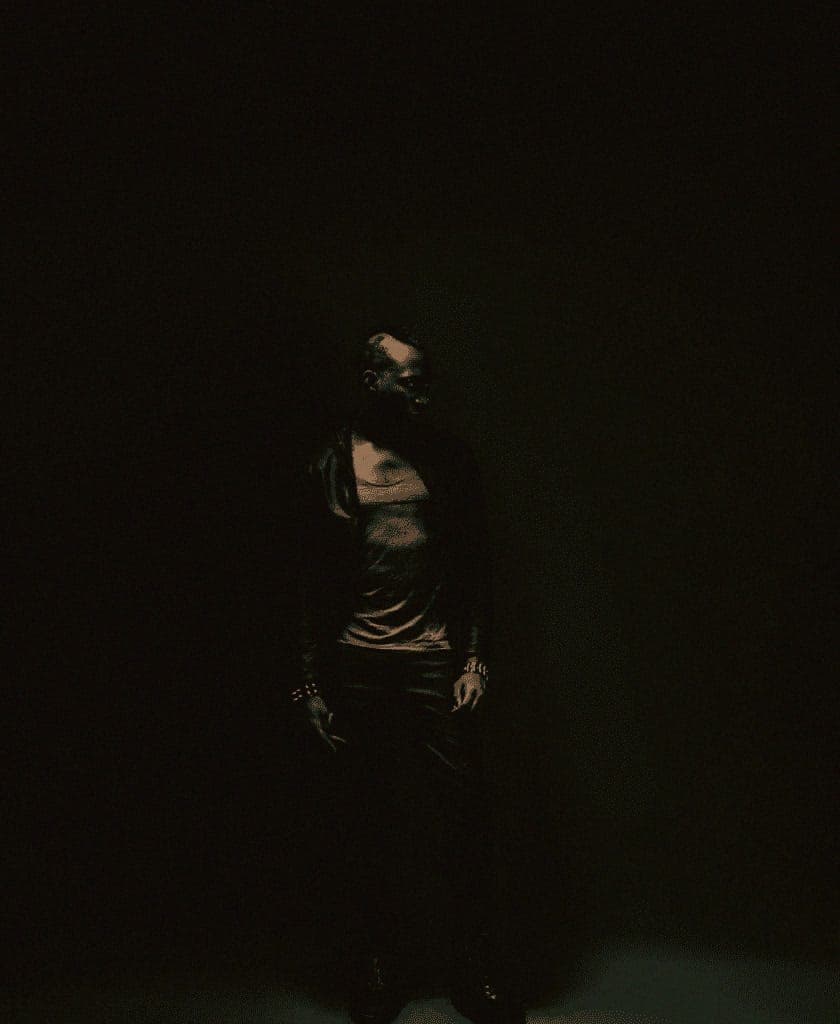
lahelvetica makes glassy, disciplined ambient electronica released through AEterna Fragma. In Holguin, on the other side of the island, cubalibre.exe, a theater actor turned musician, is widely credited as Cuba's first vaporwave artist with real underground standing, splitting work between glitch, industrial, EBM and vapor under names like G0D'S WR4TH and H Y P E R. In Havana, Buffalo Attack (producer Mario Arteaga) brings 15 years of classical training to club productions, and runs a separate duo project, KANBU, digging into phonk and baile funk. daku works a quieter, subtly seasick strain of electro-acoustic jazz fusion, and shot the cover photography for Buh Records' compilation "Transmisiones: Cuba," a March 2026 release that put 15 of these artists on one record for the first time.
The labels holding it together, Ultramar, AEterna Fragma and gangarria, function less like traditional imprints and more like the closest thing this scene has to venues: places the music actually lives, hosted almost entirely on Bandcamp because there's no local distribution pipeline to speak of.
Is anyone outside Cuba paying attention?
Yes, and not just record collectors. In March 2026, Italian director Desiderio Sanzi released "Cuba Coocuyo Remix: A Neorealist Portrait," a documentary he describes as being "not a film about electronic music but a film about the people who make it possible." Sanzi's own framing lines up with what the Bandcamp Daily report found: Cuba, he says, "is not preserved in amber but is part of the same hyper-accelerated global network, with cultural production fully synchronized with global time." That's the real story here: not an isolated curiosity, but a scene running on the same clock as Berlin or Bogota, just without the clubs.