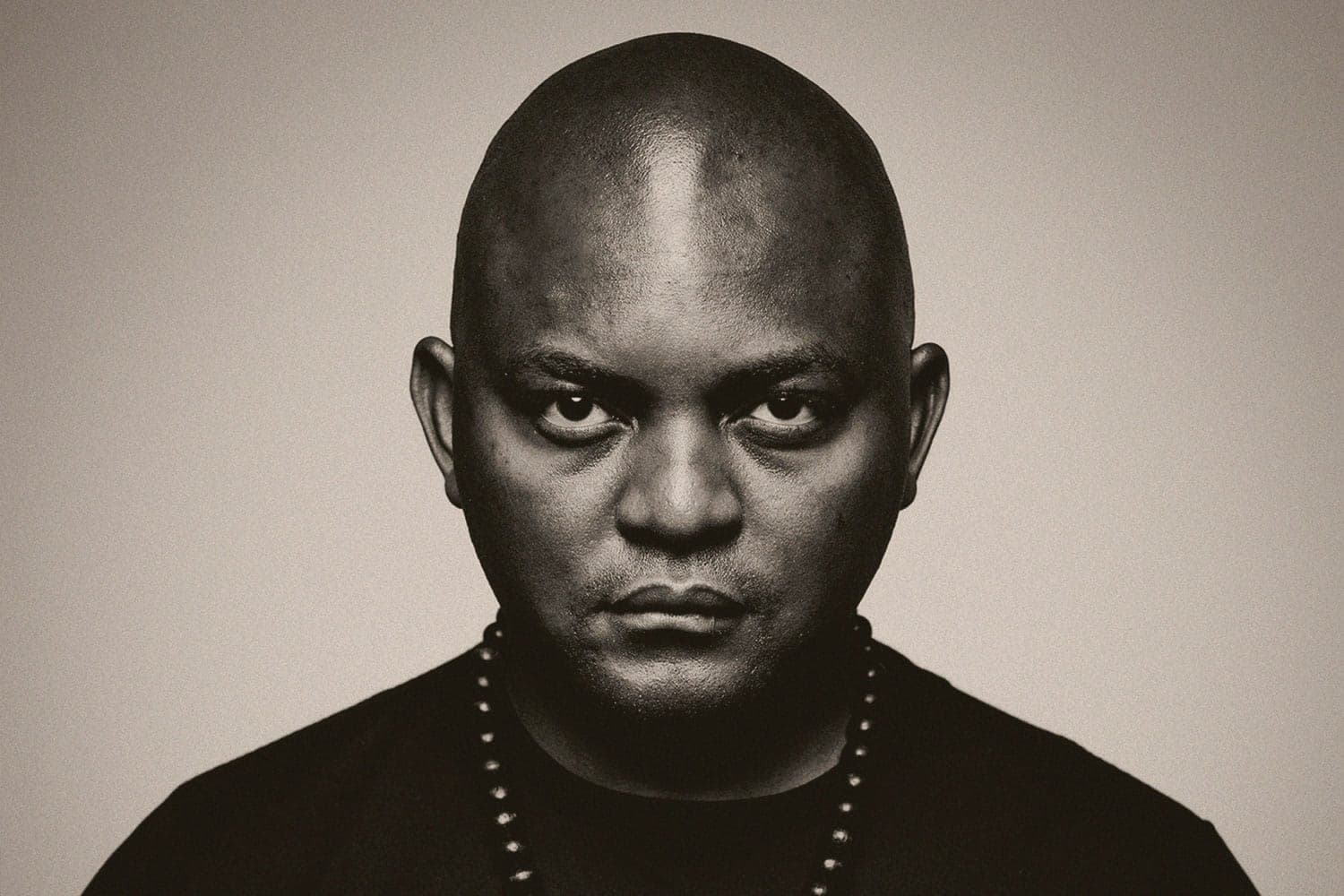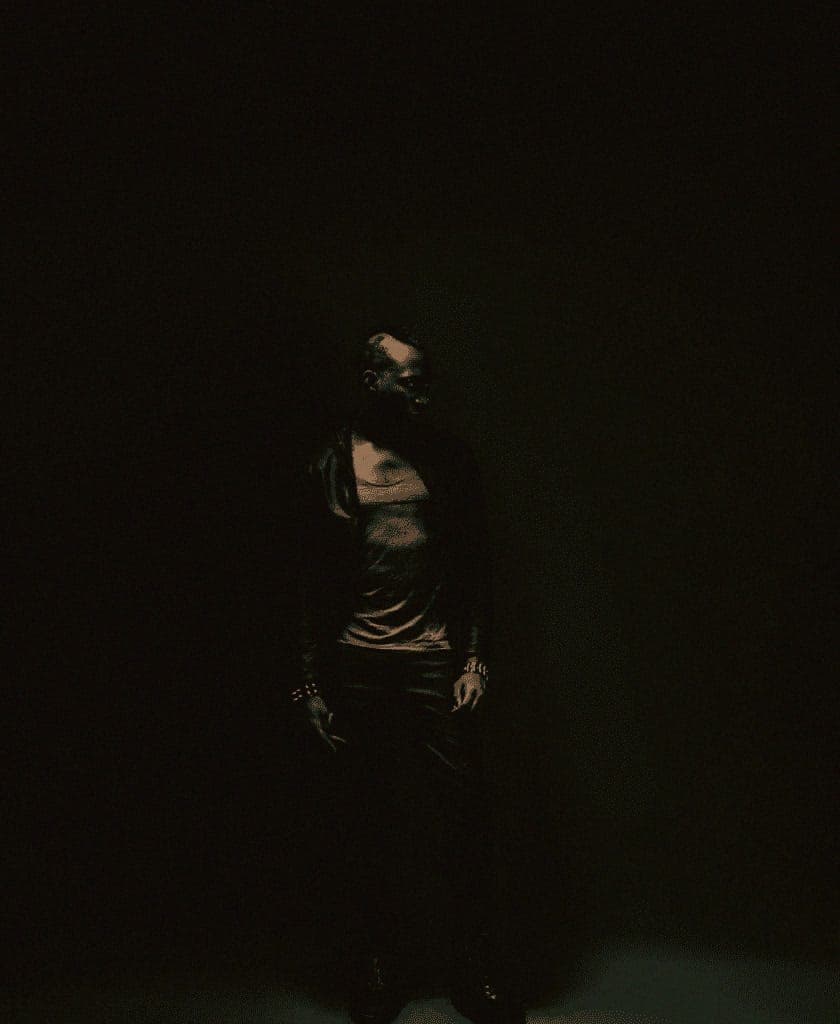
Nigerian music writing has spent a decade talking about one export: Afrobeats, and its path from Lagos to the global pop chart. That conversation just got crowded. The Fader's October 5 feature on 10 emerging Nigerian underground artists didn't frame them as the next Afrobeats hopefuls. It framed them as something else entirely: a scene building its own pan-African dance and experimental vocabulary out of punk, hip hop, R&B and traditional rhythm, with zero interest in sounding like a radio hit.
Who's actually driving this?
The name doing the most work is Luwa.Mp4, born Ayooluwa Akindeji and raised in Ibadan, who has spent several releases, from 'Bq' and 'Twin Flame: Luv' through his debut album 'punkstA', chasing a sound he calls 'Cyber-Phunk': glitchy, distorted synth work and a punk sneer stacked over unmistakably Yoruba rhythm. His 2026 project 'o-YO¡' pushes further into that fusion, and the follow-up 'PS Specimen' leans even harder into his Yoruba heritage on tracks like 'YORUbrat'. It is Afro house's cousin, not its copy: dance music built from distortion rather than groove, but still meant to move a room.
Danpapa GTA (Akinlemibola Daniel Omotoyosi) is the scene's loudest 2026 breakout. His 2025 project 'Balenciaga Kuti' took Fela-era afrobeat and dragged it into 21st-century street rap with dance-inspired production; this year's 'Ikeja (No Go Thief)' went viral off the back of exactly that fusion, a street-pop record about Lagos hustle culture that spread across TikTok before it was even an official release. Alongside him, scottyolorin has moved from Lagos's underground rap circuit toward the mainstream without dropping the genre-blurring, and BLNDE rounds out The Fader's list as one of the names pushing the sound furthest from Afropop's template.
"There's a blur between genres and identities. A lot of these artists aren't limiting themselves to one sound; they're borrowing from multiple genres and influences at the same time, and that fluidity feels very intentional."
That's Tochi Igboko of WeTalkSound, quoted by OkayAfrica in a separate piece tracking the same shift through artists like NO11, who folds amapiano grooves into rap verses, and Mavo, whose 'Money Constant' turned into one of the scene's viral anchors. Two different outlets, two different artist lists, same diagnosis: Lagos's underground has stopped asking permission from the Afropop machine.
Why did Traffic Club matter?
The scene's recent proof-of-concept wasn't a playlist placement, it was a room. In late August 2026, Traffic Club held its inaugural night in an old printing house on a slippery bend of Lagos Island's Broad Street, and hundreds showed up for a lineup built entirely around the city's underground performers. Sets and live acts ran straight through to Saturday morning. For a scene that has largely built itself online, track by track, self-produced and self-released, that's the detail that matters most: it has an audience that will physically show up, on a weeknight footprint, to stand in a room for artists who aren't chasing a chart.
That's the real story under The Fader's list. Afrobeats won the export battle for mainstream Nigerian pop a decade ago. What's happening now in Ibadan and on Lagos Island is a parallel scene building its own rooms, its own distribution and its own genre name, and it's doing it without waiting for Afrobeats' blessing.
Why it matters
Afro house and the wider Global South dance scene have spent years absorbing amapiano and afro-tech as the loudest Nigerian/South African exports; Cyber-Phunk and its neighbours show the next wave is coming from guitar-pedal distortion and punk attitude, not four-on-the-floor. Labels and bookers scouting for the next regional sound should be watching Ibadan and Lagos Island rooms like Traffic Club, not just Afropop's chart.
What we think
The Fader piece is useful precisely because it resists calling this 'the next Afrobeats'. It isn't, and that's the point. A scene that can pack an old printing house on a Friday night without a single chart hit in the room is the healthiest kind of underground: built on real rooms and real self-distribution, not algorithm-chasing. Watch Luwa.Mp4 specifically; 'Cyber-Phunk' is a genuinely new name for a genuinely new fusion, which is rarer than most 'new genre' claims turn out to be.