How does the Auto Sampler actually build an instrument?
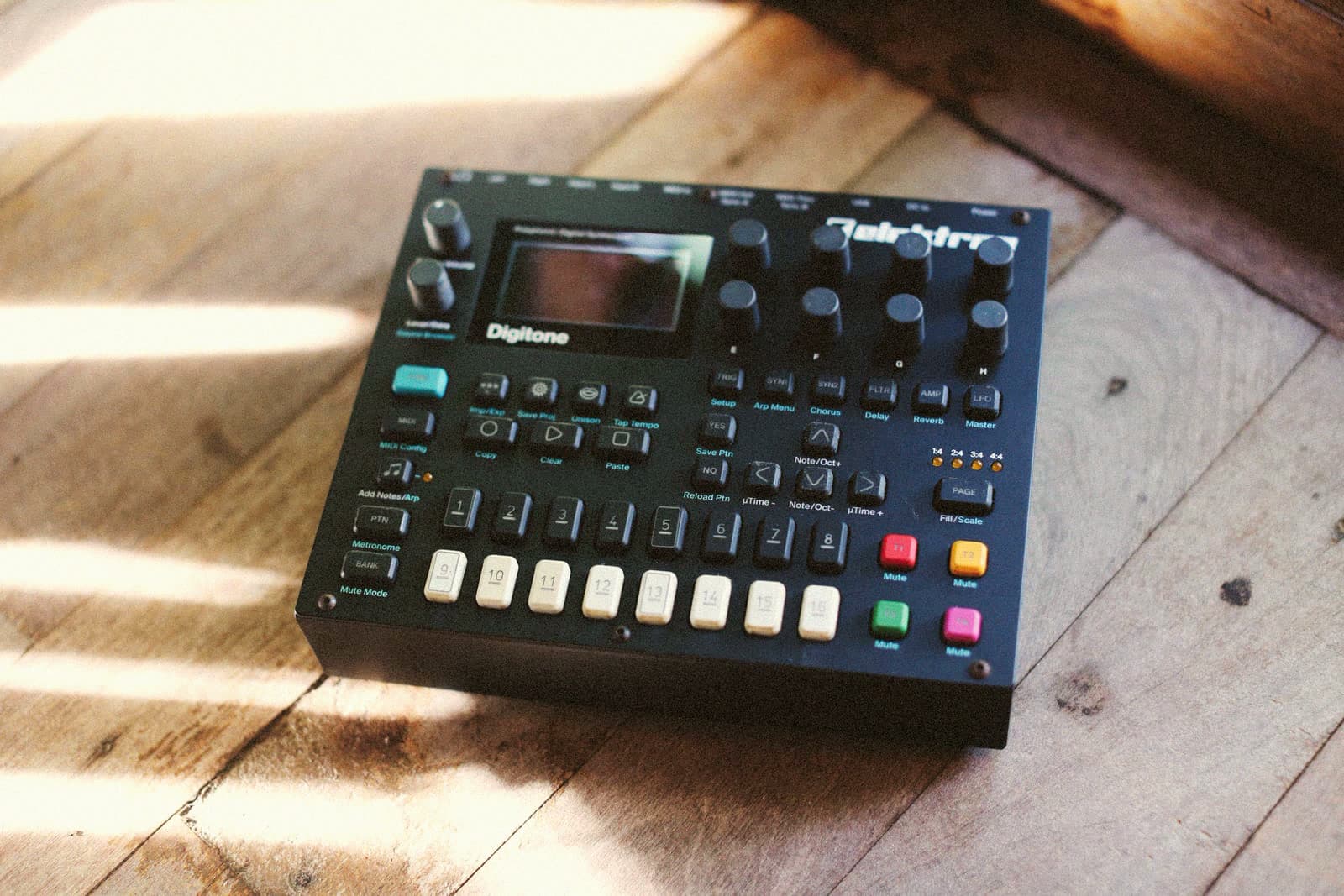
You patch a hardware synth's MIDI input to your computer and its audio output into your interface, then tell Decent Sampler which notes to sample, how many velocity layers to capture and how long each note should ring. From there the plugin takes over: it plays and records every note on the list by itself, trims the dead air around each take, hunts for a usable sustain loop, and maps the whole batch straight into a playable instrument. Decent Samples, the developer behind the plugin, built in automatic clipping detection too, so a hot take that distorts gets flagged instead of silently becoming part of the finished patch. The feature also runs inside the standalone Mac and Windows app, not just as a plugin inside a DAW.
Why does a no-code preset editor change who can use this?
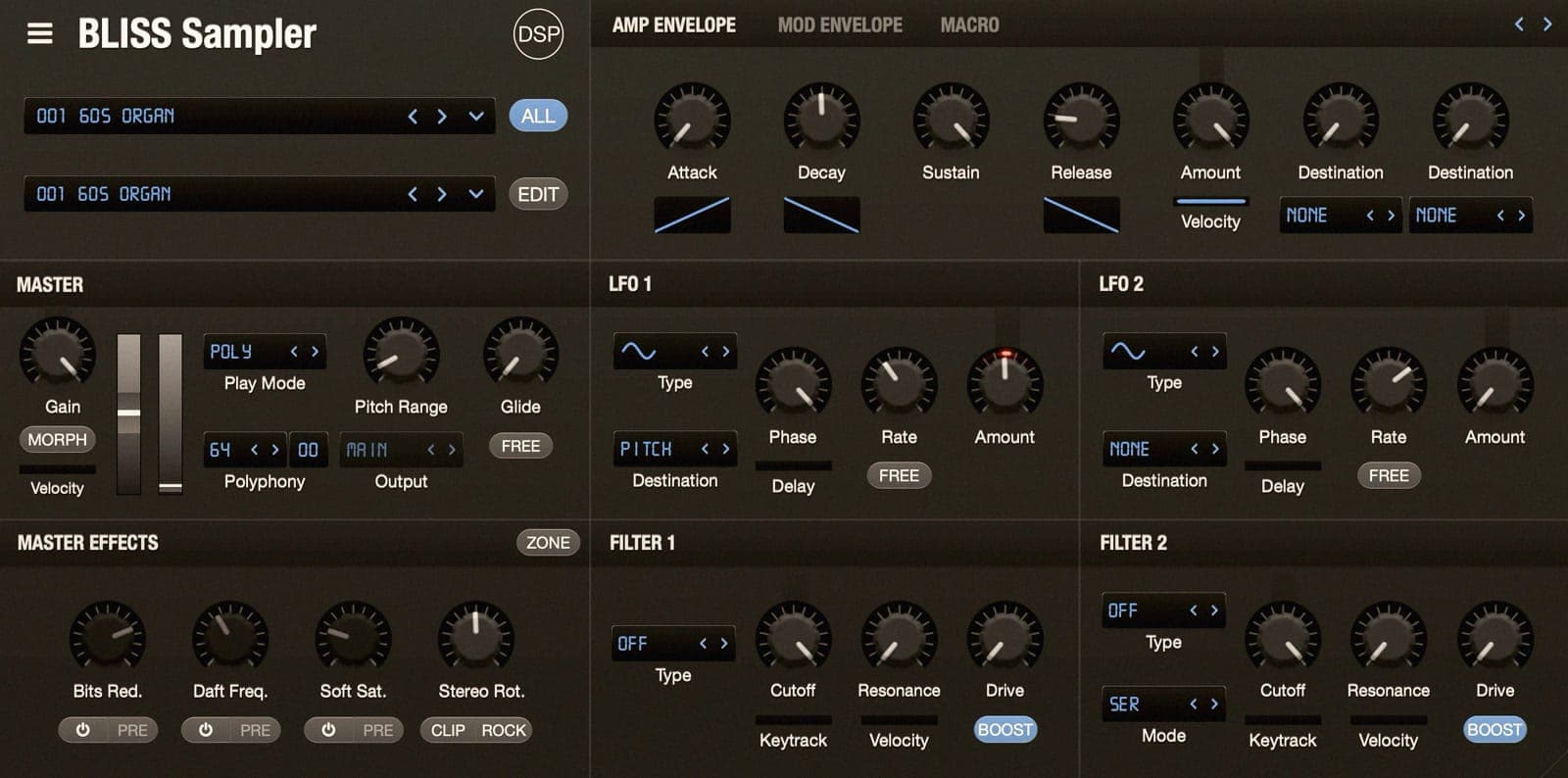
Building a proper Decent Sampler patch used to mean hand-editing its XML preset file: mapping samples, loop points and note ranges directly in text. The new Preset Editor turns that into a graphical job. Drag samples onto a keyboard, set loop points by ear, define root notes and ranges, all without touching a line of markup. The companion Visual UI Editor does the same for a patch's front panel, letting anyone build custom knobs, sliders, buttons and labels rather than shipping with the generic default interface. Sample-library builders who sell finished instruments spend a lot of their design time exactly here, and now any hobbyist gets the same graphical tools for free.
Who actually benefits from this?
Anyone who owns a hardware synth and has been sitting on the idea of sampling it properly. Decent Sampler is already one of the most widely used free samplers precisely because it's free and cross-platform (VST, VST3, AU and AAX on macOS Intel and Apple Silicon, Windows and Linux); the update, version 1.40.1, also adds the ability to import existing Kontakt instruments, folding in a workflow producers previously needed separate tools for. None of it needs a credit card.
Why it matters
Automatic hardware sampling and no-code patch building used to be the dividing line between a free plugin and a few-hundred-dollar commercial sampler; Decent Sampler just erased a chunk of that line for anyone with a MIDI cable and an audio interface.
What we think
This is the kind of update that quietly reshapes a workflow more than a flashy new synth does. Give away the tedious, expensive-to-build tooling and more hardware actually gets sampled instead of gathering dust on a shelf.