DGTL isn't just playing ADE this year, it's occupying a chunk of it. Eight separate shows, two full venues, four straight days: that's the scale one promoter is putting into a single Amsterdam Dance Event week, and it's worth asking what that kind of footprint actually signals about who runs the room at the world's biggest electronic music trade week.
What's actually new about this lineup?
The headline move isn't a booking, it's a scheduling one. DGTL's Generator stage, built as a nighttime concept, gets its first daytime ADE slot ever this year, running in parallel with the label's established Frequency nighttime programme. That's a promoter testing whether a format built for 2am still works at 2pm, and doing it at the one week of the year where every booker, agent and label exec in the genre is in town to watch.
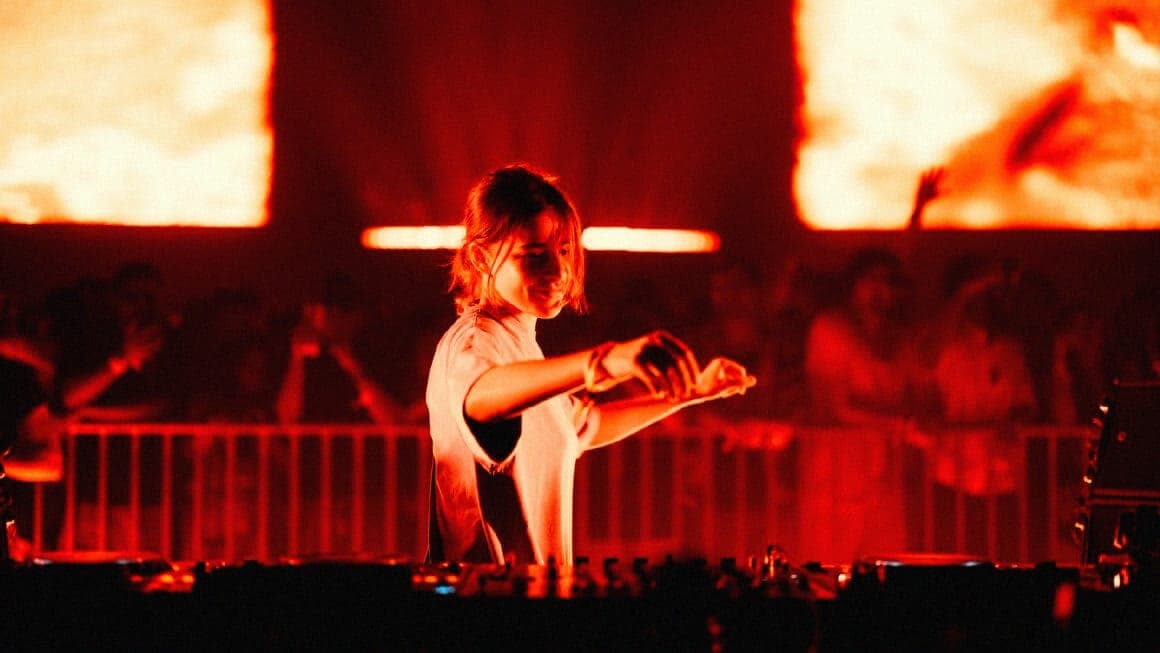
The lineup itself reads like a cross-section of where house and techno currently sit next to each other without friction. Thursday October 22 opens with a UK garage leaning Frequency bill, DJ EZ alongside Dr Dubplate, Locky and MPH, while Generator's daytime debut runs newer names including Benwal, Helena Lauwaert, Lammer and Paige Tomlinson. Friday pairs a Tinlicker live show at NDSM Warehouse with an evening bill built around Joris Voorn, Kevin de Vries, Miss Monique, Nicky Elisabeth and NTO, melodic and deep-tech names that have become ADE week staples in their own right.
Why split the biggest day across two venues?
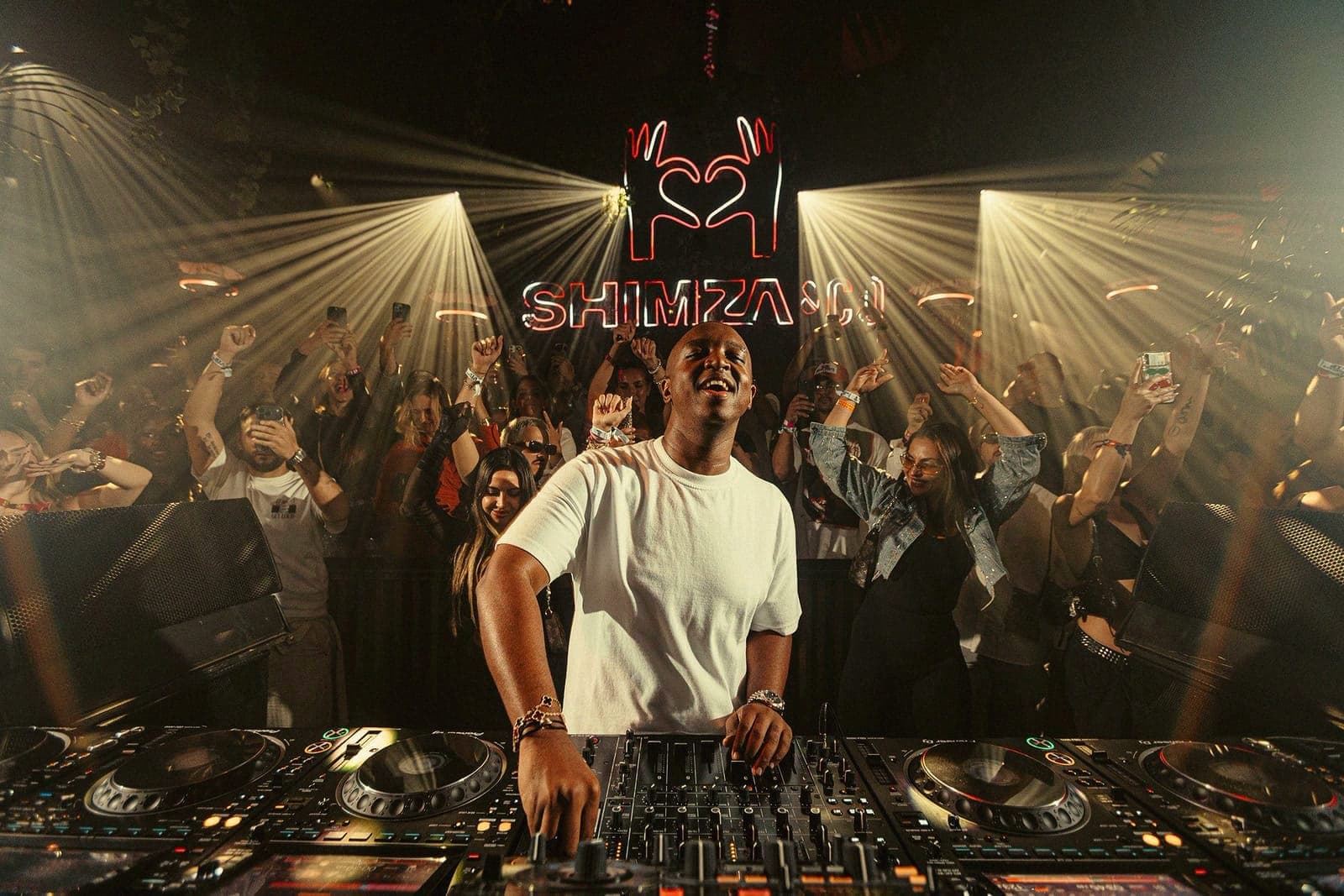
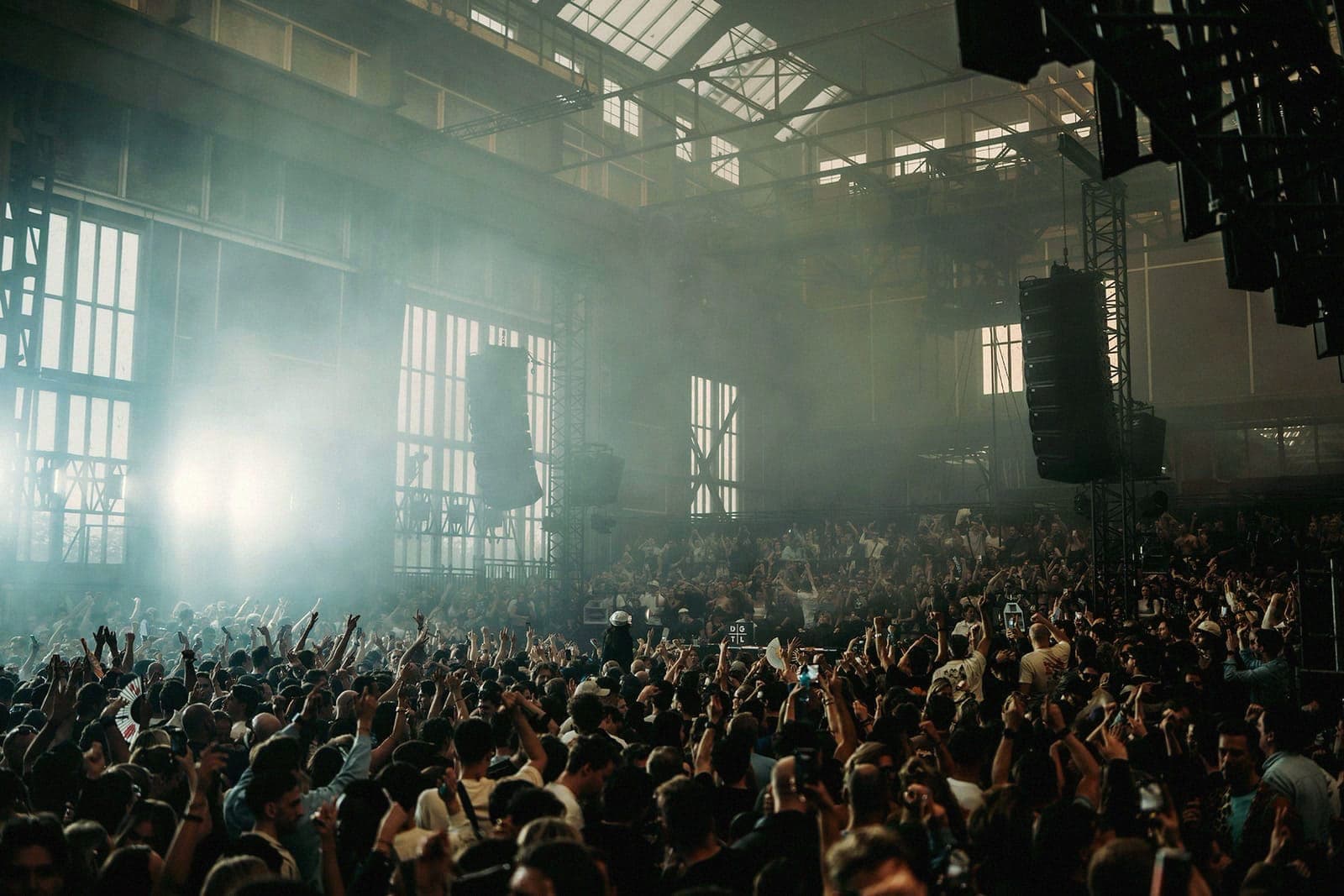
Saturday is where the scale becomes obvious. NDSM Warehouse hosts a Shimza-curated daytime stage with Âme, Desiree, Bedouin, Arodes, Stoffela, JAMIIE, Meera, NIOMII and NOVA:II, then flips to a nighttime bill under Novah & Friends with Ciara Cuvé, Ueberrest, EMILIJA, Faster Horses, Øtta and STAFFY. At the same time, across town at Kromhouthal, Lane 8's This Never Happened imprint runs its own show with Yotto, Mees Salomé, Sultan + Shepard, Kasbo and Ashibah. Running a curated guest stage and an in-house melodic takeover simultaneously, in two different buildings, on the same day, is the kind of logistics only a promoter with real ADE-week leverage attempts. The week closes Sunday with Folamour's All Day Long performance.
DGTL calls this its biggest ADE to date, and the math backs that up: eight shows is more than most promoters run across an entire festival season, let alone one week.
Why it matters
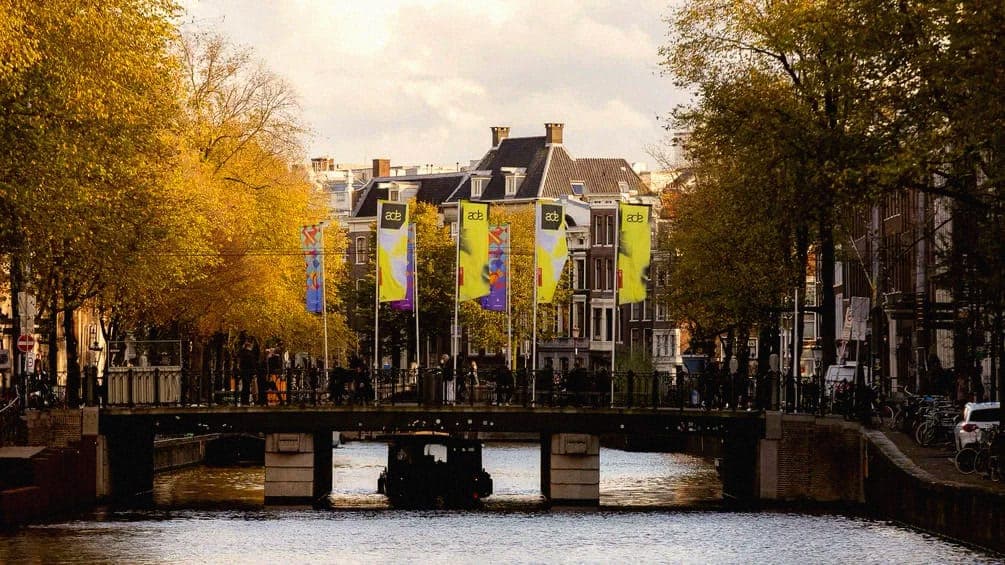
ADE week is where the dance music industry's power gets visibly mapped out, which promoters can book two warehouses at once, who gets handed a daytime debut slot, whose curated stage draws the names. DGTL running eight shows across NDSM Warehouse and Kromhouthal is a statement about scale and consolidation at the one event where every agent, label and booker in the room is watching who can pull it off.
What we think
The Generator daytime experiment is the actual story here, more than any single booking. If a stage built for night works in daylight at ADE, expect every promoter with a warehouse and a Monday-to-Thursday gap to try the same move next year.
What time does DGTL's ADE 2026 programme start each day?
The programme runs across four days, October 22 to 25, with Generator introducing daytime sets for the first time alongside the existing Frequency nighttime shows; exact set times are published venue by venue on DGTL's own ADE page and on Amsterdam Dance Event's official programme listing closer to the dates.
Is this DGTL's biggest ADE presence to date?
Yes. Eight shows spread across two venues, NDSM Warehouse and Kromhouthal, is more shows and more floor space than DGTL has run in a single ADE week before, and the promoter has described it in exactly those terms.
What's the difference between DGTL's Frequency and Generator stages?
Frequency is DGTL's established nighttime concept, built around techno and deeper, later programming; Generator has historically been a separate nighttime stage too, but ADE 2026 marks its first appearance in a daytime slot, running parallel to Frequency rather than competing with it for the same crowd.