What does running two cities on the same weekend actually cost?
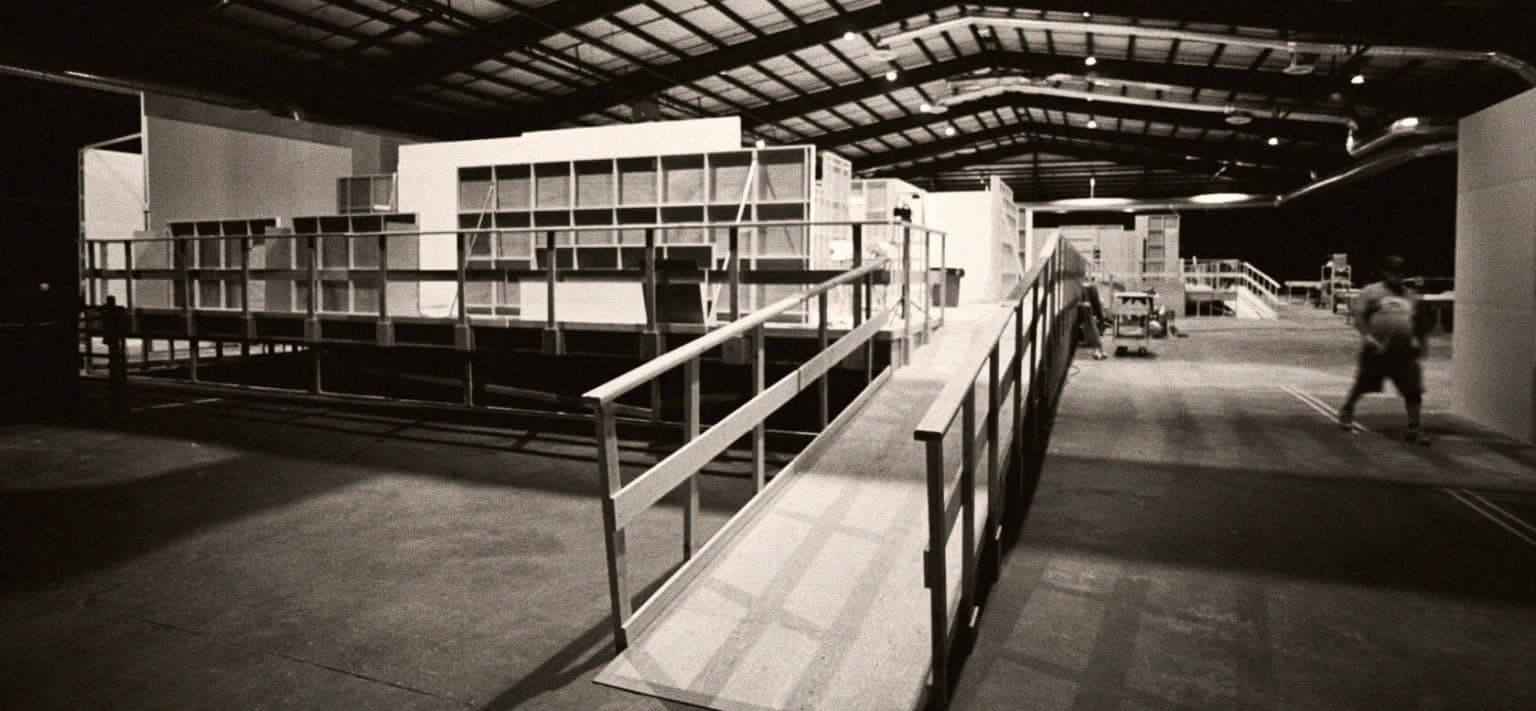
Splitting a festival across two cities on the same two nights is not the same as touring a lineup through them one after another. DGTL India, now in its sixth year, needed to duplicate almost everything at once for the November 13-14 weekend: two full production builds, two site crews, two ticketing operations, and a roster big enough to headline two warehouse-scale nights without either city feeling like the undercard. Ballard Pier in Mumbai and The LaLiT Ashok in Bengaluru will each run the festival's signature Modular and Generator (Budweiser-backed) stages, with the same industrial aesthetic and motion-lit production DGTL has used across five previous single-city Indian editions.
It is the kind of move a promoter only makes when it trusts the depth of a market, not when it is padding a tour. India's dance scene has grown fast since DGTL's Indian debut, but running two simultaneous full-scale nights still assumes there are enough ticket buyers, sponsors and crew in both Mumbai and Bengaluru to support it without cannibalizing either city's crowd.
Who's actually on the bill, and does it clear the techno bar?
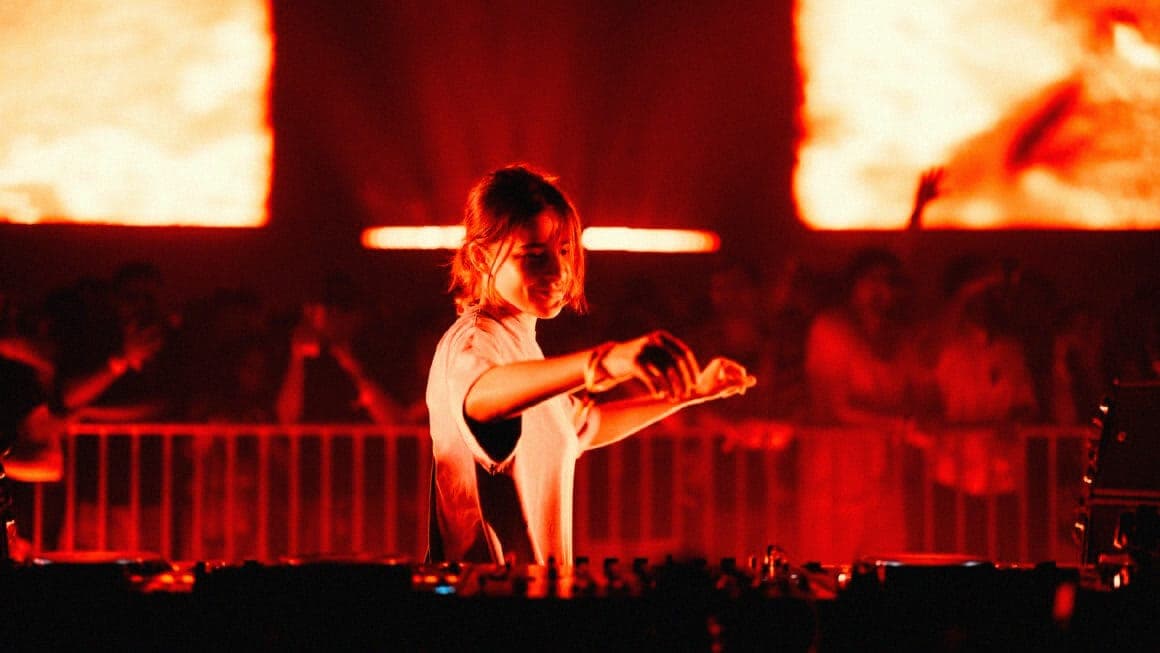
Nina Kraviz headlines, alongside a live set from Stephan Bodzin, Vladimir Dubyshkin, Phil Berg, Supergloss, Biianco, Colyn, Qrion and Nox Vahn. These are working techno names booked on their own merit, not EDM mainstage acts wearing a techno label for credibility. The regional bill matters just as much for the story: returning artists Praveen Achary, Parallel Voices, Tasnneem and Kibo share space with festival debuts from Shaun Moses, Sheral, Sublime Sound, Nida and Blu Attic, spread across both cities. Tickets run from Rs 2,500 early bird to Rs 13,500 for VIP-plus-afterparty access, sold through SkillBox.
Why is DGTL doubling down on India while its home base gets trimmed?
The timing is pointed. On September 29, Superstruct Entertainment, the roughly 80-festival group KKR bought for about 1.3 billion euros in 2024, confirmed it has dissolved Apenkooi, the Amsterdam promoter that built DGTL from a one-day 2013 event into an international festival brand. DGTL itself survives, but only by moving under Superstruct's Awakenings division "for efficiency," while sibling titles STRAF_WERK, Pleinvrees and Amsterdam Open Air are being shut down outright.
That makes India's dual-city expansion a live data point for where a KKR-backed festival group is actually placing its bets: not necessarily in the founding market, but in the newer ones where the brand can still scale. If both Mumbai and Bengaluru sell through in November, expect Superstruct to treat India as a template for other emerging-market DGTL editions. If one city underperforms, expect a quiet retreat to a single host next year.