Why is DGTL India leaving Mumbai?
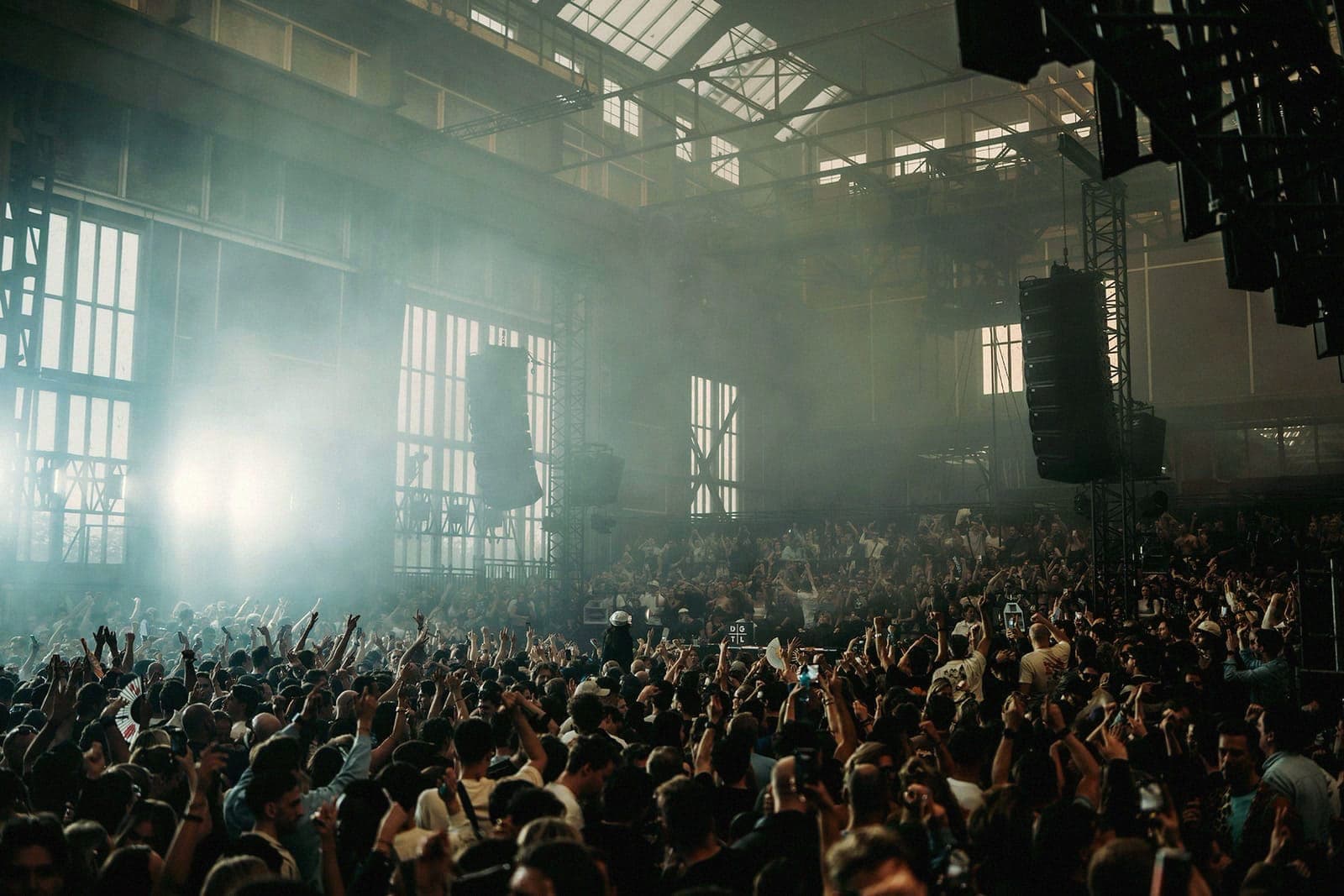
DGTL India is swapping cities for its 2026 edition. The festival, which had built a reputation as one of India's biggest electronic music weekends, is moving its Mumbai leg to Goa for November 14-15, 2026. The reason it gave is blunt and structural rather than artistic: "ongoing licensing uncertainties affecting live events across Mumbai and Maharashtra." The Bengaluru edition of DGTL India is unaffected and proceeds on its original dates.
For anyone holding a Mumbai ticket, the fix is straightforward: existing tickets stay valid in Goa, and keeping one earns a complimentary plus-one. Anyone who wanted out could get a full refund, but only through October 16.
Maharashtra has spent the last few years tightening the screws on large-scale nightlife and live events in and around Mumbai, from noise and curfew enforcement to venue licensing, and electronic festivals have repeatedly found themselves on the wrong side of the paperwork. DGTL's statement doesn't name a single incident; it reads like the accumulated weight of a state government that has made Mumbai an increasingly unpredictable place to stage a two-day techno festival.
What actually happened with Stephan Bodzin's team?
The lineup change getting more attention is the quiet removal of German techno artist Stephan Bodzin. DGTL's statement on the decision is short on specifics and long on principle: "Creating an environment where everyone is treated with respect remains fundamental to who we are." The festival says it "took the time to carefully review the information available" before pulling him.
The information in question, per Rolling Stone India, centers on a 2025 India show where Bodzin's set ran about 40 minutes past schedule. When Delhi-based producer BLOT! (Gaurav Malaker) was told he'd take over as originally booked, one of Bodzin's managers allegedly objected and physically threatened him. Rolling Stone India places the incident in December 2025 in Kolkata; an earlier report from WeRaveYou, published in August, had described a similar confrontation at a Halloween show in Gurugram on October 31, 2025. The two accounts don't agree on the date or city, and neither has been tested in a tribunal. What's consistent across both is the core claim: a headliner's crew allegedly threatened a local DJ for trying to go on stage at his scheduled time.
BLOT! himself has been careful not to frame this as a grudge over bookings. "I also want to make it clear that I'm not upset that DGTL hasn't booked me," he said, adding that he'd been "offered a headline slot last year under some very suspicious conditions" that he refused. What he wants, he said, is for "the Indian music industry" to treat the episode as a lesson to fix a "bad habit that will become an industry standard very soon."
"Nineteen years building this scene, and that is what he stood there and took."
That's promoter and scene veteran Shuchir Soni, reacting publicly over the summer. His harder line: "Nobody said sorry. Not Bodzin. Not the manager. Not one promoter."
Why did it take DGTL this long to act?
The timeline is the real story here. WeRaveYou's account of the allegations ran in August 2026, by which point Bodzin's team still hadn't responded publicly and DGTL was saying only that it was "reviewing information before making any further comments." The lineup drop didn't land until October, alongside the Goa relocation, nearly a year after the incident both accounts describe.
Nobody involved has apologized, by Soni's account, and DGTL's statement never uses the word "threat." For a festival that built its India presence on importing marquee European techno names, cutting one loose after a local artist went public is a real, if overdue, consequence. It is also a reminder of how lopsided the power is on an international festival bill: the headliner's crew gets to overrun a schedule and allegedly intimidate the artist booked next, and it still takes months of public pressure before a promoter will act.