What exactly did Dirtywave ship?
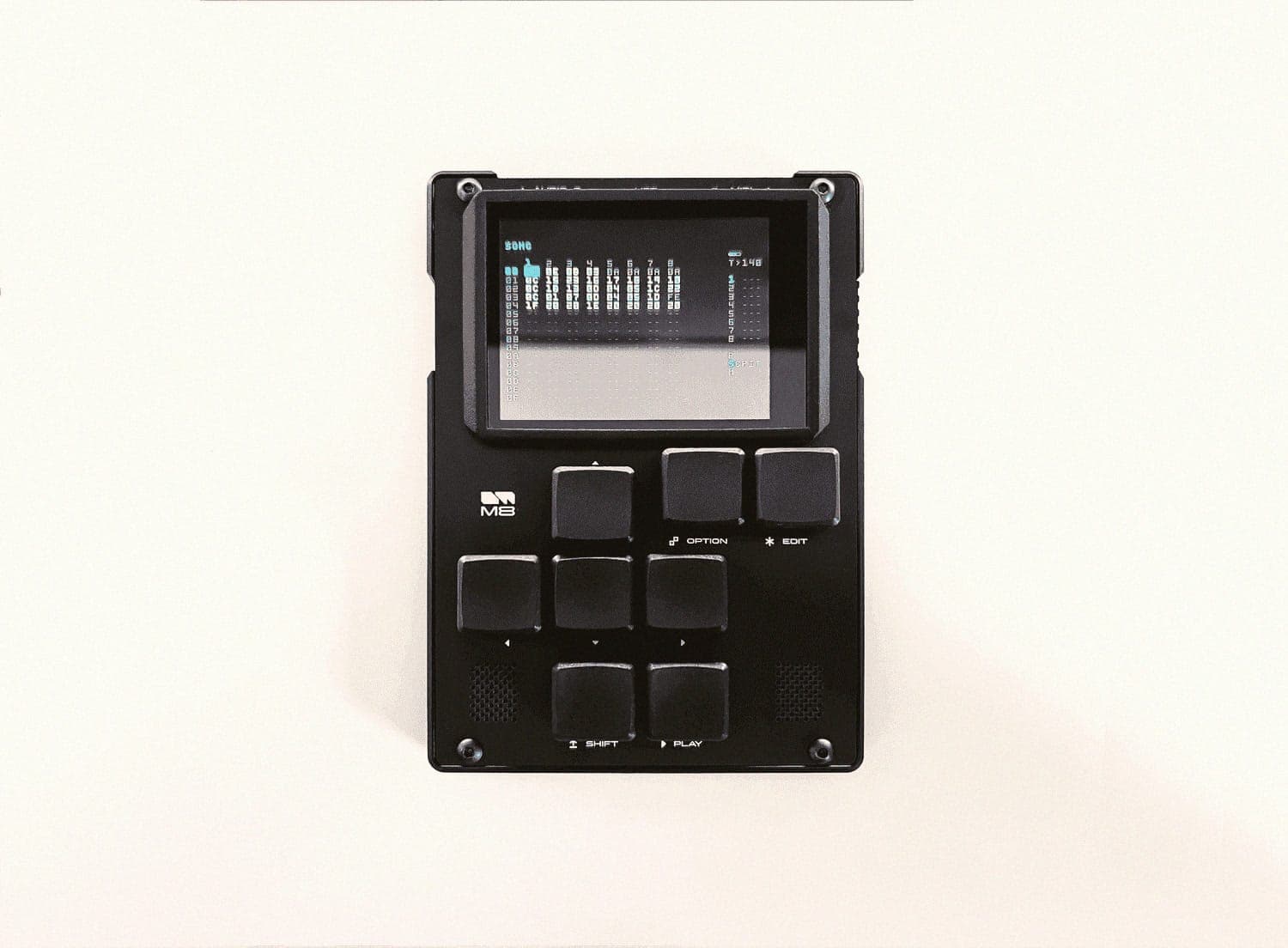
Dirtywave put the M8 tracker on the App Store as a native iPhone and iPad app on September 15, priced at $29.99 (€32.99), according to Synth Anatomy. This isn't a stripped-down companion, it's the whole engine: the same eight-track sequencing, sampling and synthesis workflow that made the $500-plus hardware unit a cult object among trackers and groovebox producers, running all five of its synthesis engines, Wavsynth, Macrosynth, FMSynth, Hypersynth and Sampler, per Synthtopia.
Why does project compatibility matter more than the price?
The headline number is the price cut, thirty dollars versus a few hundred for the physical unit, but the detail that actually changes workflows is compatibility: songs built on the iOS app open on the hardware M8 and vice versa, per Synth Anatomy. That's a different proposition than most "inspired by" mobile trackers. A producer can sketch a track on the train on an iPhone, then finish it on the hardware in the studio, or the other way around, without a conversion step or a rewrite. For a scene where the M8 is used live as much as it's used to write, that portability is the actual upgrade.
Does this replace the hardware?
Not for everyone. The physical M8 still has its own tactile controls, screen and standalone form factor that plenty of performers built their live sets around. But the app removes the biggest barrier to trying the instrument at all: cost. It also gives existing owners a genuine second device rather than a demo, since it plugs into CoreMIDI, works with external keyboards and game controllers, and syncs with control surfaces like Novation's Launchpad Pro MKIII, according to Synth Anatomy.