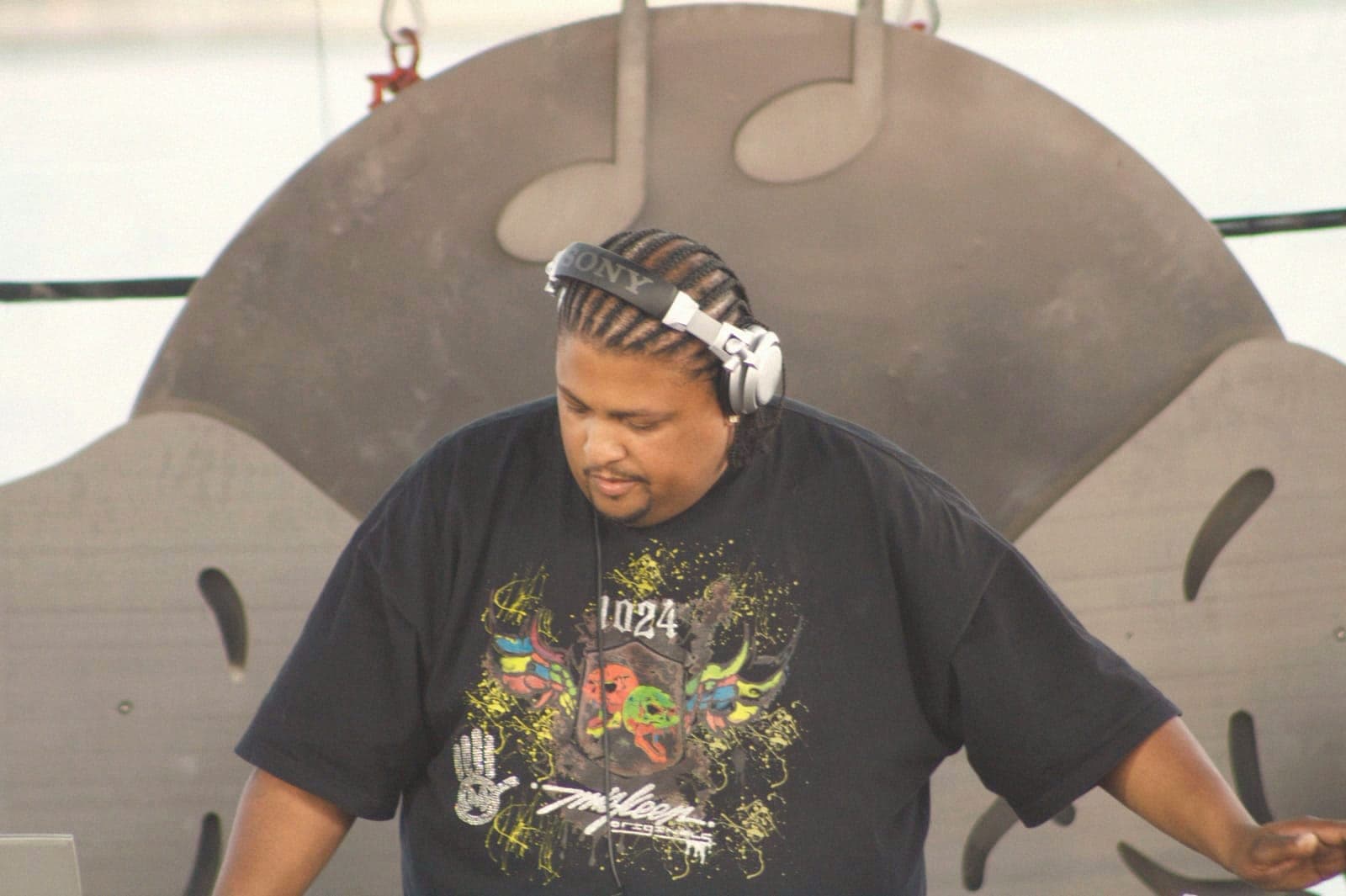
House music has a lot of creation myths. Ghetto house has a real one, and it starts in the Low End, the stretch of Chicago's South Side east of Cottage Grove where DJ Deeon grew up around the Robert Taylor Homes and Stateway Gardens. He was DJing house parties by 1980, taping his sets and selling the cassettes hand to hand around the neighborhood before he ever touched a mixing desk in a studio.
How did a South Side DJ end up inventing a genre?
Deeon Boyd got hold of a Roland TR-606 and a TB-303, then made the TR-909 his signature machine, and started stripping Chicago house down to its rawest parts: hard drums, a bassline, and lyrics built for the club floor rather than the radio. When his 1994 debut, the Funk City EP, landed on Dance Mania, the label Ray Barney was running out of Chicago, it fit a sound already forming around him, DJ Funk and Jammin' Gerald. Deeon later said the name wasn't something any of them chose: a magazine slapped "ghetto house" on the music, and it stuck. He described the intent more plainly himself, as "get-freaky-with-a-stranger music, for the strippers, for the street."
"We saved house in Chicago.", DJ Deeon, on Dance Mania's role in the 1990s
Over the next five years, before Dance Mania folded in 1999, Deeon put out roughly 30 singles for the label. "House-O-Matic," "2 B Free," "Bomb 96" and "Back 2 Skool" built his catalogue; "Freak Like Me," from 1996, became the one that outlived the label itself.
Why does "Freak Like Me" still headline sets three decades later?
"Freak Like Me" is the ghetto house record that crossed over without losing its edge. It circulated on pirate radio and DJ bags for two decades before Glasgow's Numbers reissued it on the Deeon Doez Deeon! EP in 2015, remastered from Deeon's original DAT tapes. A year later, Defected paired him with Katy B and MNEK on a full remix package that turned a South Side club record into a UK festival-season single. Daft Punk had already done their part for the reputation: their 1997 album Homework name-checked Deeon among the Chicago producers who shaped their sound, a co-sign that pulled European ears toward Dance Mania's catalogue years before streaming made that kind of crate-digging easy.
How did ghetto house become juke, and juke become footwork?
Ghetto house didn't stay still. Through the 2000s, its drum-machine skeleton sped up and got more percussive as Chicago's dance crews demanded music to battle to, and that became juke. Juke's most syncopated, rhythmically extreme branch, carried by producers like RP Boo and the Teklife crew, became footwork, now sampled and studied by producers well outside house and techno. Deeon's own catalogue tracked the shift: he kept releasing on Teklife and Numbers alongside the newer generation, rather than being filed away as a historical reference. A renewed international appetite for the sound brought him to the UK in 2016, via a crowdfunded flight, for sets at XOYO in London and the final Bloc Weekender.
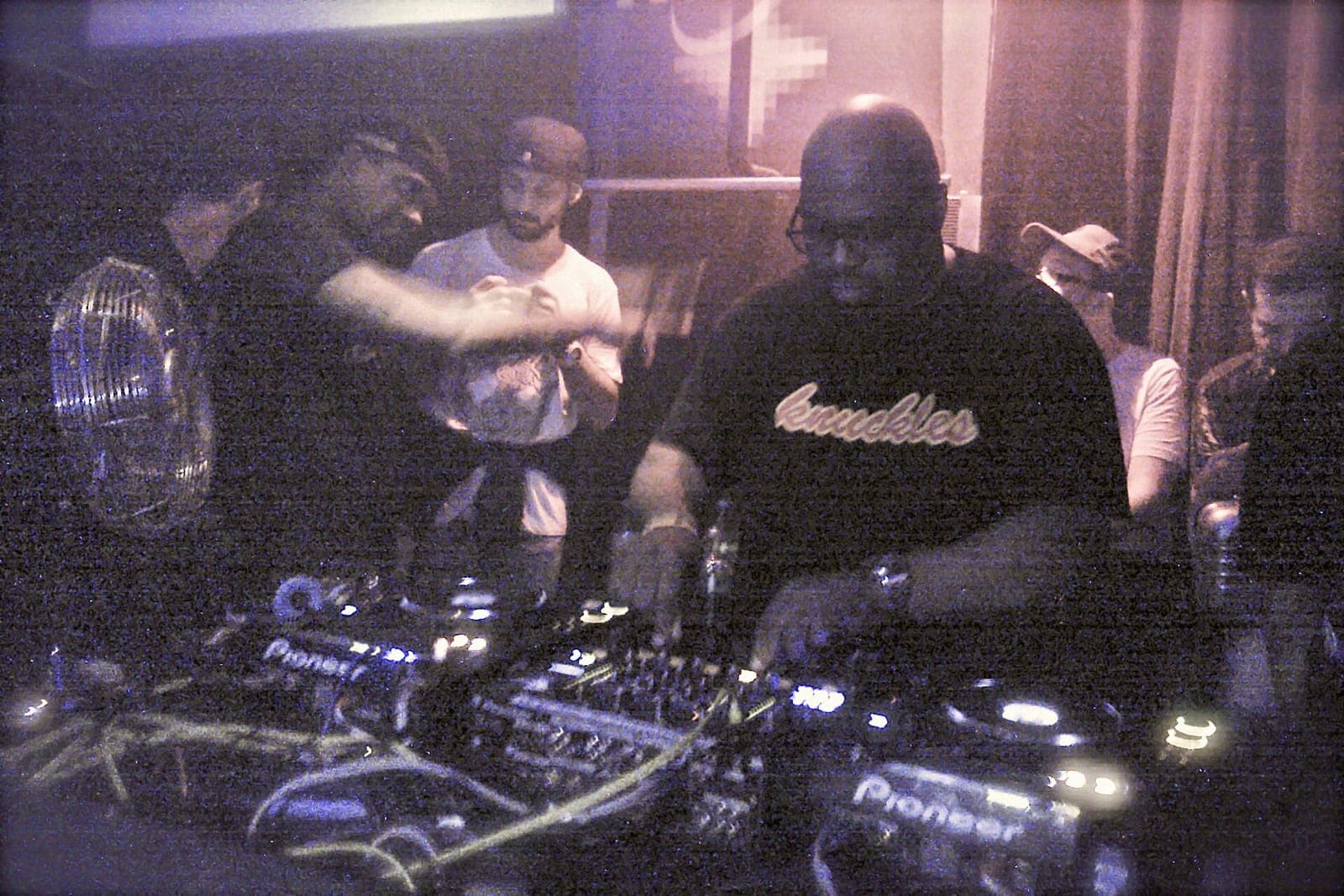
That 2014 Boiler Room set from Chicago, part of a BR x Dance Mania session, is as close as it gets to hearing the label's original sound played the way it was built to be played: loud, fast, and for a room that already knew every word.
What does his death in 2023 change for the scene?
Deeon spent his last two decades touring while managing serious health problems, including a Hodgkin lymphoma diagnosis and, later, diabetes and complications that led to an amputation, with fans crowdfunding to help cover his care more than once. None of it slowed his output much: in May 2023 he released four EPs inside 24 hours. He died in a Chicago hospital on July 18, 2023, at 56. DJ Slugo, his longtime collaborator in DJs On The Low, called it "30-plus years and so many damn memories... there will never be another DJ Deeon." The Blessed Madonna put his standing in dance music plainly: "It would be hard to overstate his importance to Chicago and all of dance music. He was also an extremely sweet guy."