Three Brazilian DJs sat down at ADE and did something booking agents hate: they put numbers and names to it.
What exactly happened with the fee split Galecta walked away from?
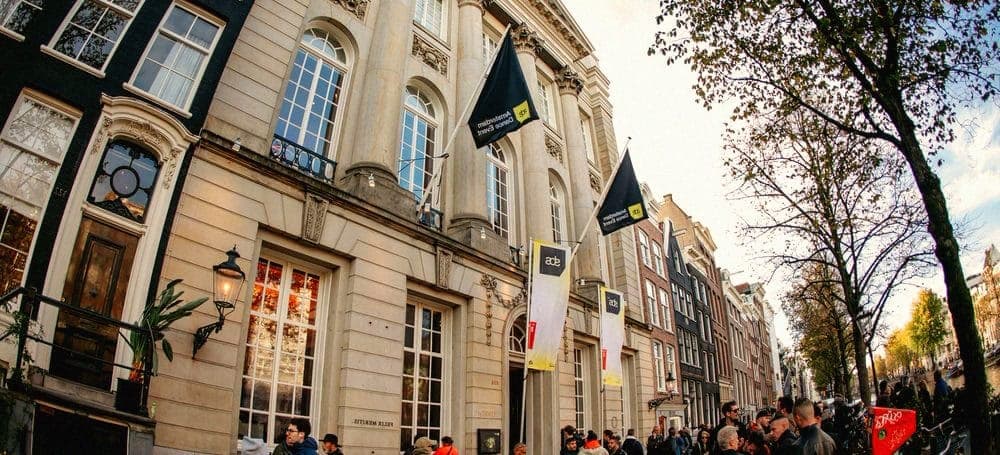
Galecta, the Manaus-born baile funk DJ and founder of Baile da Galecta, told the Felix Meritis crowd she turned down a major shared-bill slot after a previous one went sour: the headliner took almost the entire fee, she said, even though she had pulled a significant crowd of her own that night. It's the kind of arithmetic that rarely gets said out loud with a name attached. Shared-bill splits are usually negotiated privately between agents, and the default assumption, that the top-of-poster name deserves the lion's share regardless of who actually filled the room, almost never gets challenged in public by the person on the losing end of it.
Why do Brazilian women DJs say they're booked for looks, not sound?
DJ Ray's complaint was about the booking logic itself. She said Brazilian female DJs are frequently hired for their appearance rather than their sound, then held to a different standard once they're behind the decks.
There's always very sexual vocals in male DJs' sets, but if we play it, and women are judged if we play the same track with the same vocals.
Same sample, same track, different reaction depending on who's holding the fader. That's the double standard DJ Ray described: the music industry treats explicit content as part of a male DJ's edge and as evidence against a woman's.
What does needing a bigger team actually cost?
LUA framed the gap in logistics terms. Male DJs, she said, typically tour with just a booker and a manager. Women often need a larger team for protection, which adds real costs and scheduling headaches that their male peers simply don't carry on a tour budget. That's before a single fee split gets negotiated: the overhead starts earlier and runs deeper.
The panel, moderated by Monique Dardenne of M_AI | Women's Music Event, was part of ADE's wider Brazil-focused programming this year, as the festival leaned into Brazil's fast-growing electronic scene. Dardenne's three guests used the slot to describe, in granular detail, how pay, booking criteria and basic travel safety stack up differently for them than for the men they share bills with.