Two camps, one clip
A booth-cam clip goes up: a headliner unwrapping something to eat between blends, or a laptop off to the side streaming the World Cup, one eye drifting to the score. Within an hour the comments have split into two camps that are never going to agree, and each is convinced the other is missing the obvious. The clip is the same. What people see in it is not.
The case for the defence
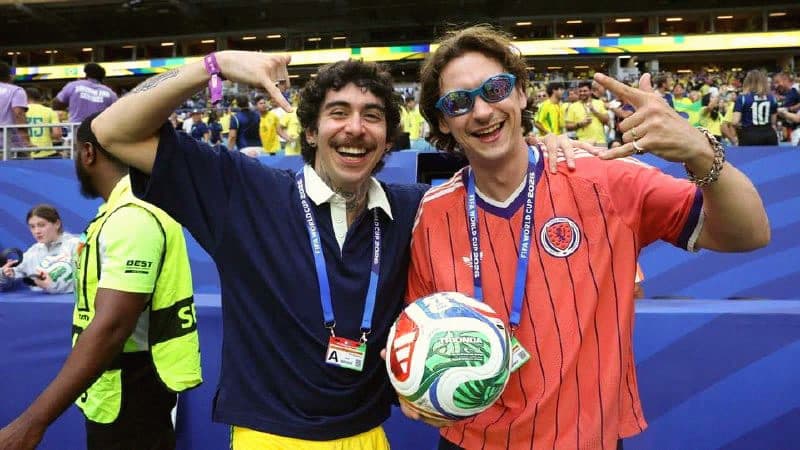
Start with the simplest point: a DJ is a person, and a set is two or three hours long. A sip, a bite, a glance is not a crime, it is a break. Football makes it sharper. A Keinemusik-scale headliner playing the same week as a World Cup that comes around once every four years is watching the same match sixty thousand people in the next stadium are watching, and for a lot of the planet football sits somewhere close to religion. Sven Väth was photographed following a match on his phone mid-set more than a decade ago, and the sets around it are still the ones people talk about. In the room that night, the floor stayed full, the transitions landed, nobody asked for a refund. The set was great and the crowd loved it. The defence rests on a plain observation: nothing actually broke.
The case for the prosecution
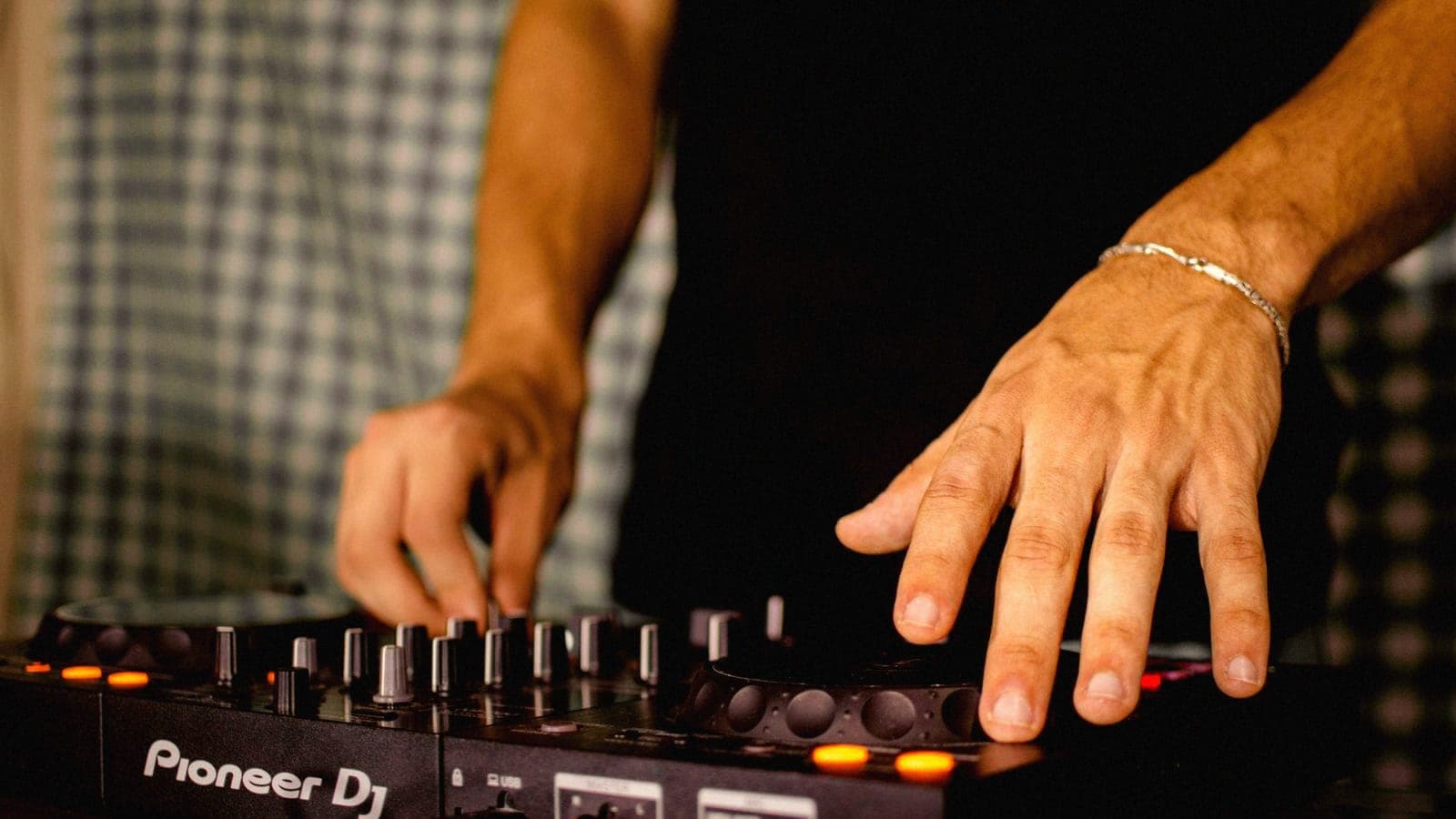
Now the other side, and it is not weak. Presence is the product. When a room pays festival money and the front row is holding up a hundred phones, a headliner who looks bored is delivering half of what was sold. There is a sharper version too. Some of this is not distraction, it is performance: eating on stage, the theatrical hunch over the CDJs, the camera turned back on the crowd, spectacle that adds to the visual and quietly subtracts from the flow of the music. If you can scroll through your own set without the mix suffering, the prosecution asks, how much of you was ever in it, and how much of the job was always the show.
To one camp, proof the habit is old and harmless. To the other, proof that checked out is checked out.
What actually changed
Here both camps agree on the facts and split on the reading. None of this behaviour is new; what changed is that every second of every set is now filmed from the floor, so a sip or a yawn that was always there is now clipped, captioned and put on trial. Sync frees the hands, which makes a still DJ look like a fraud even when selection, arrangement and EQ, the parts that never play themselves, are all working. The defence calls that context. The prosecution calls it an excuse. Same clip, two verdicts.
You get to decide
Both things can be true at once: the set was great, and it looked checked out. The scene has argued for decades about whether the job is the sound or the show, and a ten-second clip of a man eating is not going to settle it. Where you land says more about what you think a headliner owes a room than it does about the sandwich. So watch the clip again, and pick your side.