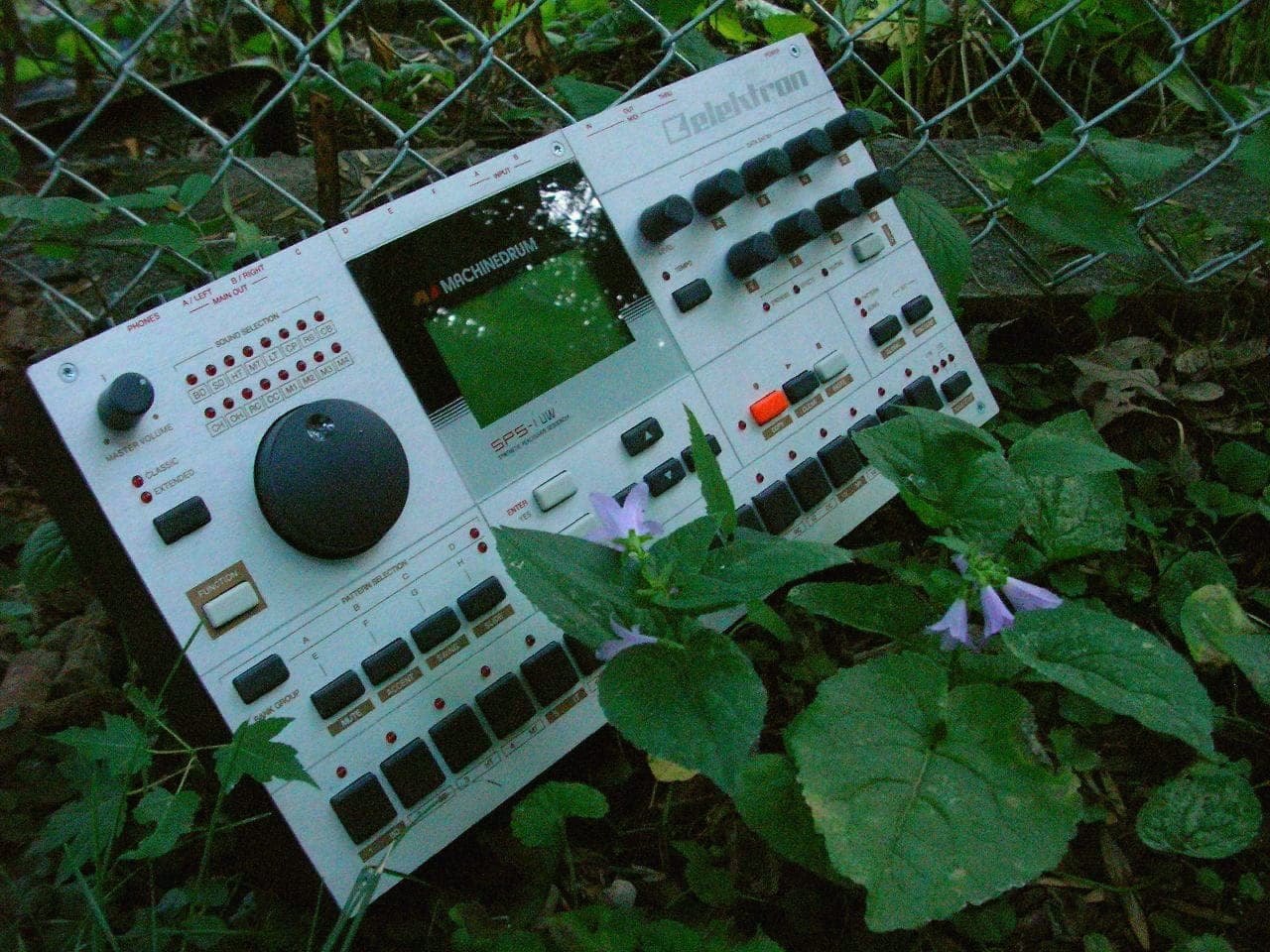
Elektron discontinued the Monomachine and the Machinedrum years ago, and used units still trade for $1,500 to $2,000 or more when they show up at all. Now a fork of the open-source Gearmulator project has turned both into VST3 plugins, free to download from GitHub. It looks, on the surface, like the two most sought-after boxes in Swedish electronic instrument history just became available to anyone with a DAW.
What did Joe Landers actually build?
The Berlin-based developer forked Gearmulator, the open-source reverse-engineering project built by The Usual Suspects (TUS), and pointed it at Elektron's two most iconic discontinued machines. The result runs as a VST3 plugin and as a standalone app on macOS (native on both Apple Silicon and Intel) and Windows. The interfaces rebuild the originals in detail: key chording, parameter locks, encoder clicks and the secondary functions that made the hardware notoriously deep to program. SysEx file support is in, along with the ability to route host audio into the devices' own input effects and sampling functions, and the VST3 build adds multi-output routing for extra output pairs inside a session.
Under the hood, this isn't a soundalike or a sample-based recreation. The emulator runs the Monomachine and Machinedrum's actual original ROM code on an emulated Motorola DSP56303 chip, the same processor architecture Elektron built the hardware around in the first place. That's the whole point of Gearmulator's approach: emulate the chip precisely enough that the original firmware runs unmodified inside your computer.
Why do you still need the real hardware?
Here's the catch that makes this a very different story from a straightforward giveaway: running the original ROM code means you need the original ROM. Landers' project doesn't ship any Elektron firmware and provides no download links for it. To use the emulator legally and functionally, you have to already own a physical Monomachine or Machinedrum and dump the ROM off your own unit. This is digitization for owners, not a free substitute for the hardware itself.
The project is also explicitly labeled early alpha. Reports describe fairly heavy CPU load, especially on older machines, though additional developers have reportedly joined since launch to help with optimization. Elektron itself has not commented publicly or taken any action against the project; its software license terms don't permit modifying or redistributing its firmware, which is exactly the kind of gray area reverse-engineering projects like Gearmulator, or the DJ-software emulators that came before it, have long operated in.
The emulator runs the machines' own original ROM code on an emulated DSP chip, so this is digitization for people who already own the hardware, not a free substitute for it.
Why it matters
For producers who already own a Monomachine or Machinedrum, this is a real upgrade: the sound and workflow of two of the deepest, weirdest machines Elektron ever built, finally portable inside a DAW session instead of chained to a rack. For everyone else, it's a reminder that discontinued gear doesn't disappear from the culture just because it stops shipping, it goes underground into projects exactly like this one.
What we think
The ROM requirement is the smart part of this project, not a limitation to route around. It keeps Landers' work on the right side of a line plenty of reverse-engineering efforts have crossed carelessly, and it still delivers real value to the people who paid for the hardware in the first place. If Elektron has any sense, it treats this as free advertising for machines it stopped supporting years ago rather than a threat worth fighting.
Where does this fit in the wider reverse-engineering scene?
Gearmulator sits in the same lineage as tools like dysentery and beat-link, community projects that reverse-engineer proprietary hardware protocols so musicians can build their own workflows around gear the manufacturer left behind. Elektron's own legacy support for the Monomachine and Machinedrum ended years ago; this project is what fills that gap when a manufacturer moves on but its users don't.


