Getting invited behind the DJ booth does not make you part of the performance.
Sometimes, the most respectful thing you can do is stand back, dance and let the DJ work.
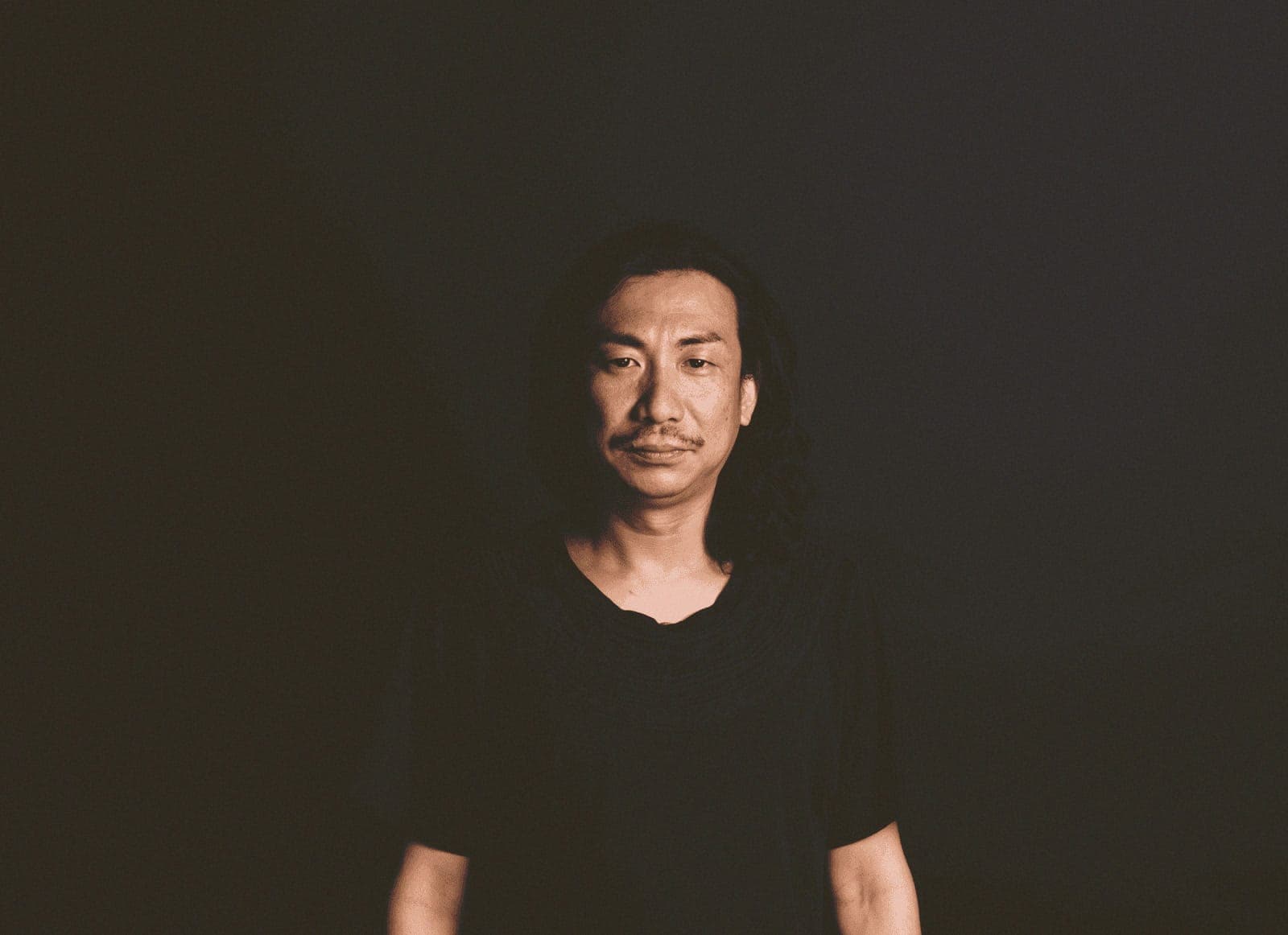
DJ Nobu made that point very publicly in Geneva on September 5, when he did something he says he had never done before in his career: he stopped the music himself.
During his set at Motel Campo, people had reportedly been trying to touch his USBs, entering the booth, putting their arms around him for photos, shining phone lights directly into his face and repeatedly pushing phones toward him for selfies.
Eventually, Nobu pulled down the fader.
The situation, he said, was "no longer normal."
After addressing the crowd, he said the atmosphere improved and the party was able to finish on a good note. But his wider point mattered more: people who show no respect for the dancefloor, the booth or the people around them can damage the atmosphere everyone has come together to create. (Resident Advisor)
And that atmosphere is more fragile than it sometimes looks.
The booth is a workplace
A DJ might look relaxed behind the decks, but a great set requires an extraordinary amount of continuous attention.
They are listening ahead, reading the room, selecting tracks, cueing, mixing, adjusting EQs, watching levels, deciding when to change direction and constantly processing the feedback coming from hundreds or thousands of people in front of them.
At their best, DJs enter something close to a flow state.
Time recedes. Decisions become intuitive. One track suggests another. The dancefloor responds. The DJ responds back. Slowly, a feedback loop develops between booth and crowd.
That is where the magic of a long set often comes from.
Now imagine someone suddenly grabbing your shoulder.
Or putting an arm around you for a selfie.
Or shouting into your ear.
Or waving a phone six inches from your face.
Or leaning across the mixer.
You wouldn't do it to a drummer in the middle of a song. You wouldn't climb onto a stage and touch a guitarist's pedals.
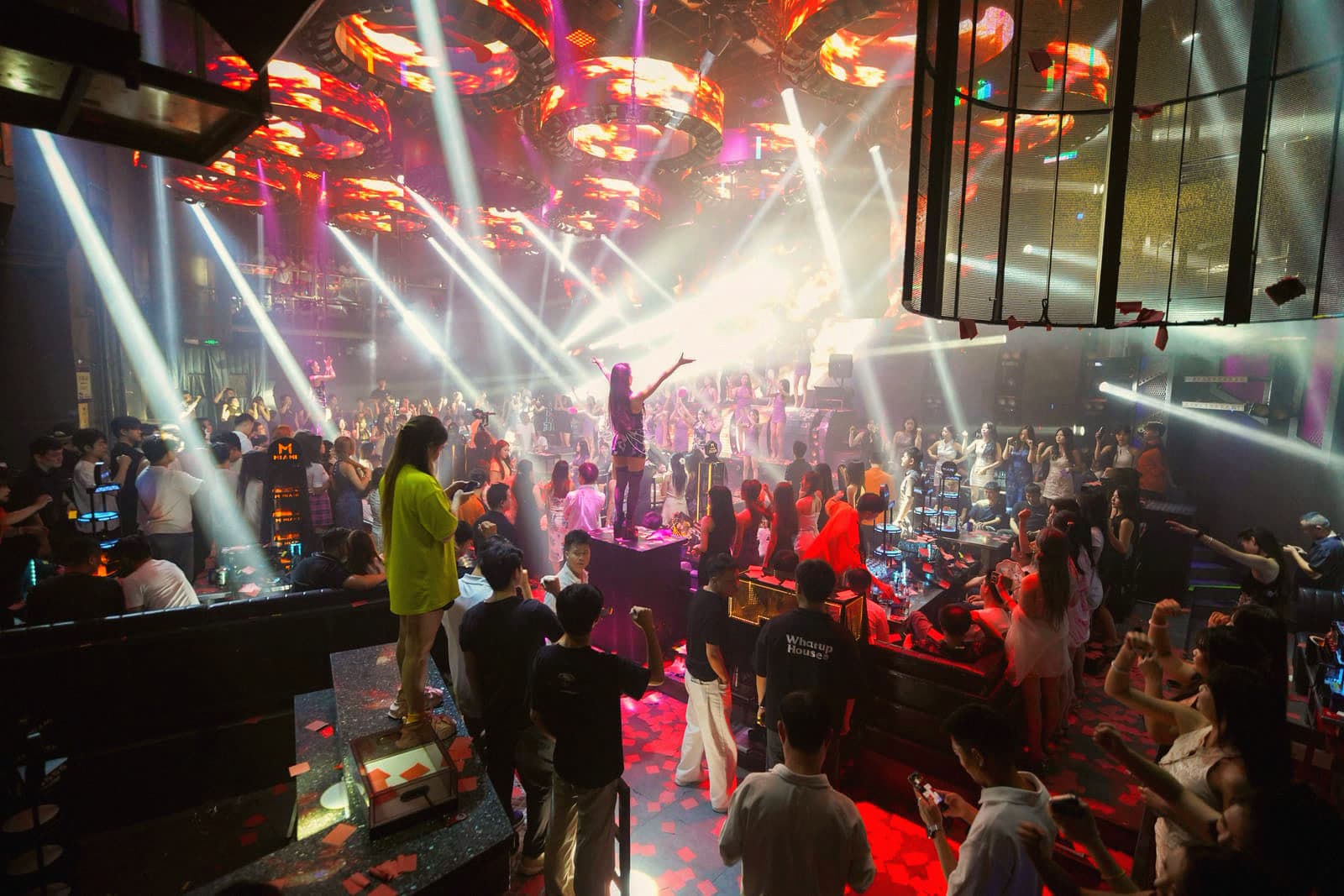
Yet because contemporary DJ culture increasingly places crowds, VIPs and guests directly around the booth, the boundary between being close to the performance and interfering with the performance is getting dangerously blurred.
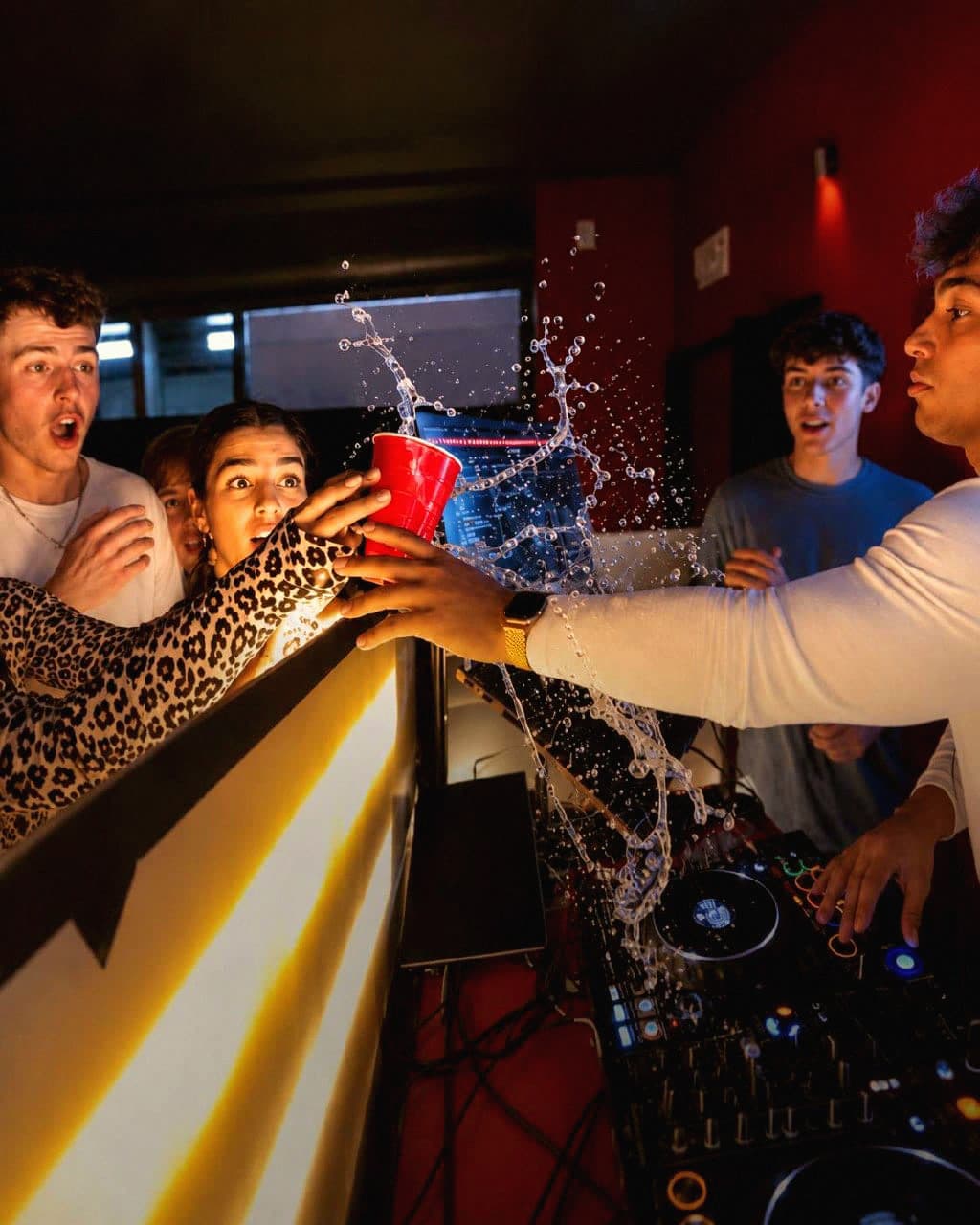
And please, keep your drink away from the CDJs
This one shouldn't need explaining.
In January 2025, Amapiano DJ and producer Kelvin Momo was performing in Cape Town when a fan near the booth accidentally knocked alcohol onto his CDJs. Video of the incident showed Momo stopping to inspect the equipment before trying to continue his performance. (The Yanos Mag)
DJ equipment and liquids are not friends.
A spilled drink isn't simply an inconvenience for the artist. It can damage equipment worth thousands, interrupt the set and potentially stop the music completely.
And when that happens, it isn't only the DJ whose night you have ruined.
It is everyone's.
Duke Dumont experienced the extreme version of this in Edmonton in 2016, when people reportedly spat and threw drinks toward the stage, including onto his CDJs. He stopped the music, confronted those responsible and ultimately ended the set. (We Rave You)
One person's behaviour can derail a night thousands of other people paid to experience.
Fred again.. laughed. That doesn't make it good etiquette.
One of the internet's most famous accidental booth invasions happened during Fred again..'s 2022 Boiler Room set in London.
With dancers packed tightly around him, an enthusiastic attendee named Rodney accidentally hit the equipment and stopped the music.
Fred smiled, embraced him and restarted the track.
The moment became one of the most replayed parts of an already viral set. Fred later defended Rodney, describing him as exactly the kind of joyful, completely present person you want in a club. (The Music)
It was beautiful precisely because Fred chose to make it beautiful.
But there is also a lesson hiding inside it.
When people are close enough to the decks to accidentally stop the music, they are close enough to interfere with the performance.
Boiler Room intentionally collapses the traditional boundary between artist and audience, and that intimacy is part of its identity. Most DJ booths are not Boiler Room.
Being invited backstage is not an invitation to lean over the mixer.
Being backstage doesn't make you the main character
There is another cultural shift happening here.
The DJ booth has increasingly become somewhere people want to be seen rather than somewhere they go to listen.
Phones appear. Selfies begin. People squeeze closer to the DJ because proximity to the artist becomes social currency.
But the best place to experience a DJ set has always been the dancefloor.
The booth isn't a photo opportunity.
It isn't somewhere to conduct conversations.
It isn't somewhere to yell track requests.
And unless the DJ initiates it, it isn't somewhere to hug, grab or continuously talk to them while they're working.
You can love the DJ without demanding their attention.
In fact, giving them the space to disappear into the music might be the greater sign of respect.
The same etiquette applies from the dancefloor
You don't need backstage access to interrupt a set either.
Stop throwing things at DJs.
Stop holding phones displaying track requests in front of them.
Stop screaming song titles at them.
And stop treating every DJ like a Spotify account taking requests.
A DJ set, particularly a long one, is supposed to go somewhere.
Sometimes the track you want right now would destroy what the DJ is building toward 30 minutes from now.
A good DJ is reading a room, but reading the room does not mean obeying individual members of it.
There is a difference between participating in the energy and trying to control it.
Dance.
React.
Give something back.
But allow yourself to be taken somewhere too.
Respect the craft
Club culture works because there is an unspoken exchange happening.
The DJ brings the music.
The crowd brings energy.
The sound system amplifies both.
And for several hours, if everyone gets it right, hundreds of strangers can somehow begin moving like one organism.
That's the thing worth protecting.
So if you're lucky enough to find yourself behind the booth, remember where you are.
Give the DJ physical space.
Don't touch them unless invited.
Don't interrupt them constantly.
Never touch their USBs or equipment.
Keep your drinks far away from the decks.
Put the phone down occasionally.
And understand that access doesn't give you ownership of the space.
You're there to contribute to the atmosphere, not become an obstacle the DJ has to manage.
And if you can't do that? There is an excellent place for you.
The dancefloor.