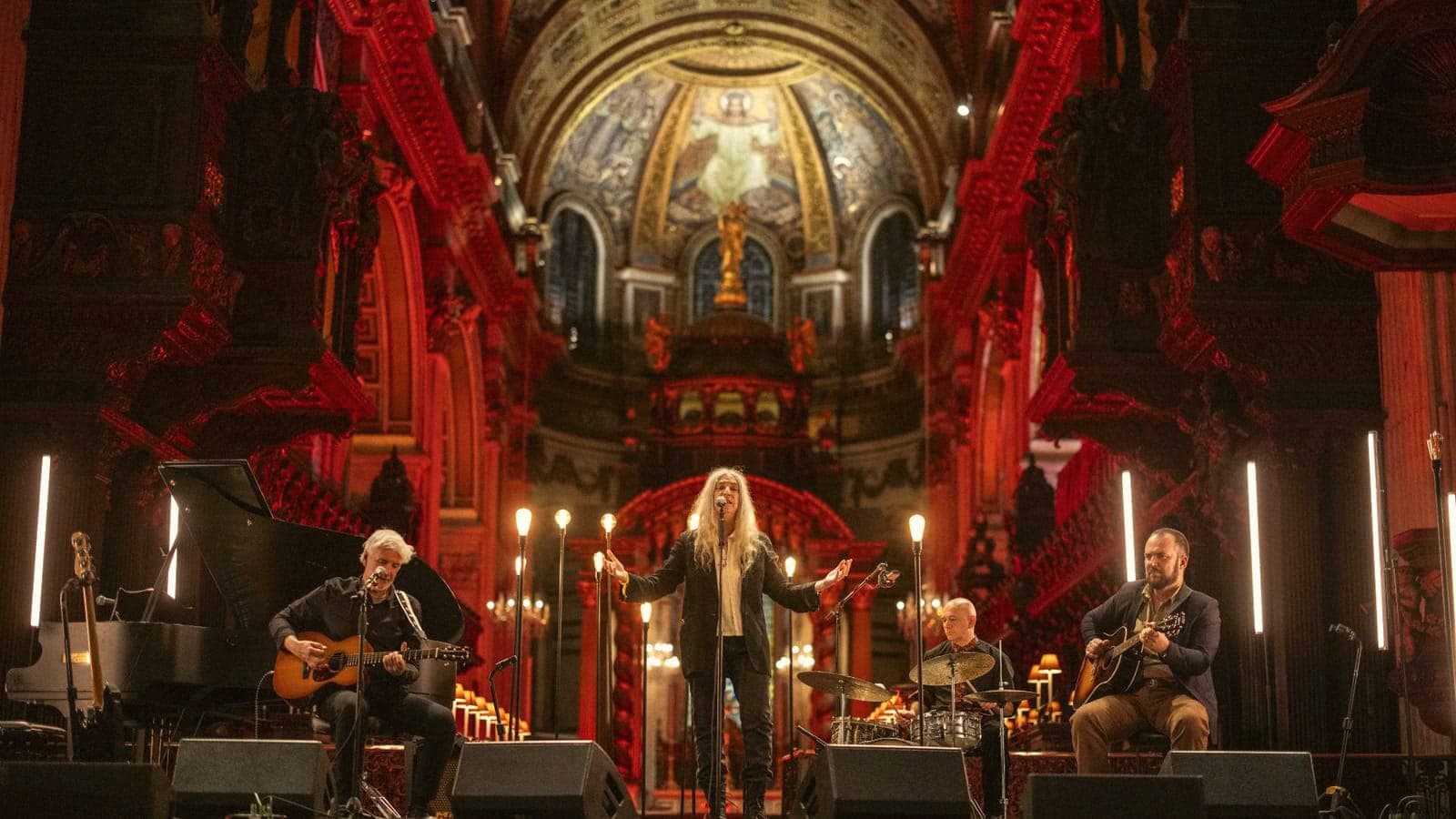
St Paul's Cathedral does not usually share a sentence with a Farringdon nightclub notorious for a near-death experience with its own licence. But from 29 October 2026, fabric becomes the cathedral's exclusive partner for contemporary music, a four-year deal running through 2030 that nobody in the trade press has bothered to read past the headline.
What exactly did fabric and St Paul's agree to?
The partnership, announced on 1 September, makes fabric the cathedral's sole promoter for contemporary concerts under the dome, building on previous sold-out one-offs with RY X and Patti Smith. The first jointly-programmed show lands on 29 October, artist still unconfirmed, with presale registration already open. Sandra Lynes Timbrell, the cathedral's Director of Visitor Engagement, called it a chance to bring "a carefully curated programme of exceptional concerts to St Paul's." fabric co-founder Cameron Leslie went further:
"It's an extraordinary and unexpected coming together of two very different parts of London."
It is also, unmentioned anywhere in that coverage, a coming together of two things Leslie personally controls.
Why does Cameron Leslie's other job matter here?
Leslie chairs the Nightlife Taskforce, the body Sadiq Khan set up to replace London's night tsar role, backed by a £300,000 mayoral grant. Its job is to write the recommendations that shape how the capital's bars, clubs and late-night venues are allowed to operate, exactly the regulatory terrain fabric has to navigate every week it opens its doors. There is no evidence Leslie used that seat to help land the St Paul's booking, and nothing in the record suggests the cathedral needed political cover to pick a promoter. But the same man now sits at both ends of the table: recommending the rules for London nightlife, and running the venue that just pulled off one of the sector's biggest access wins of the year.
Should anyone be worried about the optics?
Nobody is accusing fabric of buying its way into St Paul's, and having an actual operator on a nightlife policy body is arguably the point, who better to write workable recommendations than someone who has lived through a licence revocation. fabric's near-closure in 2016, when Islington Council pulled its licence after two drug-related deaths, is exactly the kind of experience that makes Leslie a credible voice on the Taskforce. The problem is disclosure, not intent: a story about who gets to programme one of London's most prestigious rooms should at least note that the winning promoter also helps write the rulebook everyone else in the sector has to follow. That line was missing from every piece covering this deal.
Why it matters
When the people shaping nightlife policy also run the venues competing for the industry's biggest opportunities, the sector needs that dual role stated plainly, every time, not left for readers to piece together. Trust in bodies like the Nightlife Taskforce depends on it being obviously independent of any single operator's commercial interests.
What we think
There is nothing wrong with putting an actual club owner on a body that writes nightlife policy, that is how you avoid recommendations written by people who have never run a door on a Saturday night. But the press coverage here failed a basic test: state the conflict, even a benign one, and let readers judge it themselves. Nobody did, and that is on the outlets that ran the story as pure redemption arc without a single line of context on who Cameron Leslie also answers to.