Why does the city that built house music get less credit than Ibiza or Berlin?
House music has an exact address. Between 1977 and 1982, Frankie Knuckles spun disco, funk and drum-machine edits for a mostly Black and Latino gay crowd at a private club on South Jefferson Street called the Warehouse, and record shops around the city started stocking a bin of "that Warehouse music" for whatever he was playing. Shorten that to "house" and you have the name of a genre that now fills festival calendars from Ibiza to Berlin to Tulum. Across town, Ron Hardy was doing the rougher, harder version at the Music Box, and by the mid-80s labels like Trax and DJ International were pressing Chicago's own records and shipping them to the UK, where acid house detonated an entire youth culture.
House didn't come from a genre chart. It came from one club, one DJ booth, and a dancefloor of people who needed somewhere to be free on a Saturday night.
That lineage is not really in dispute. What's in dispute is who gets paid for it. Ibiza built a global tourism economy on the back of a sound it imported. Berlin built its brand as techno and house capital of Europe around clubs that opened a decade after the Warehouse closed. Chicago, the actual birthplace, gets one free week a year, city-funded, to say so out loud.
What's actually happening across the four days?
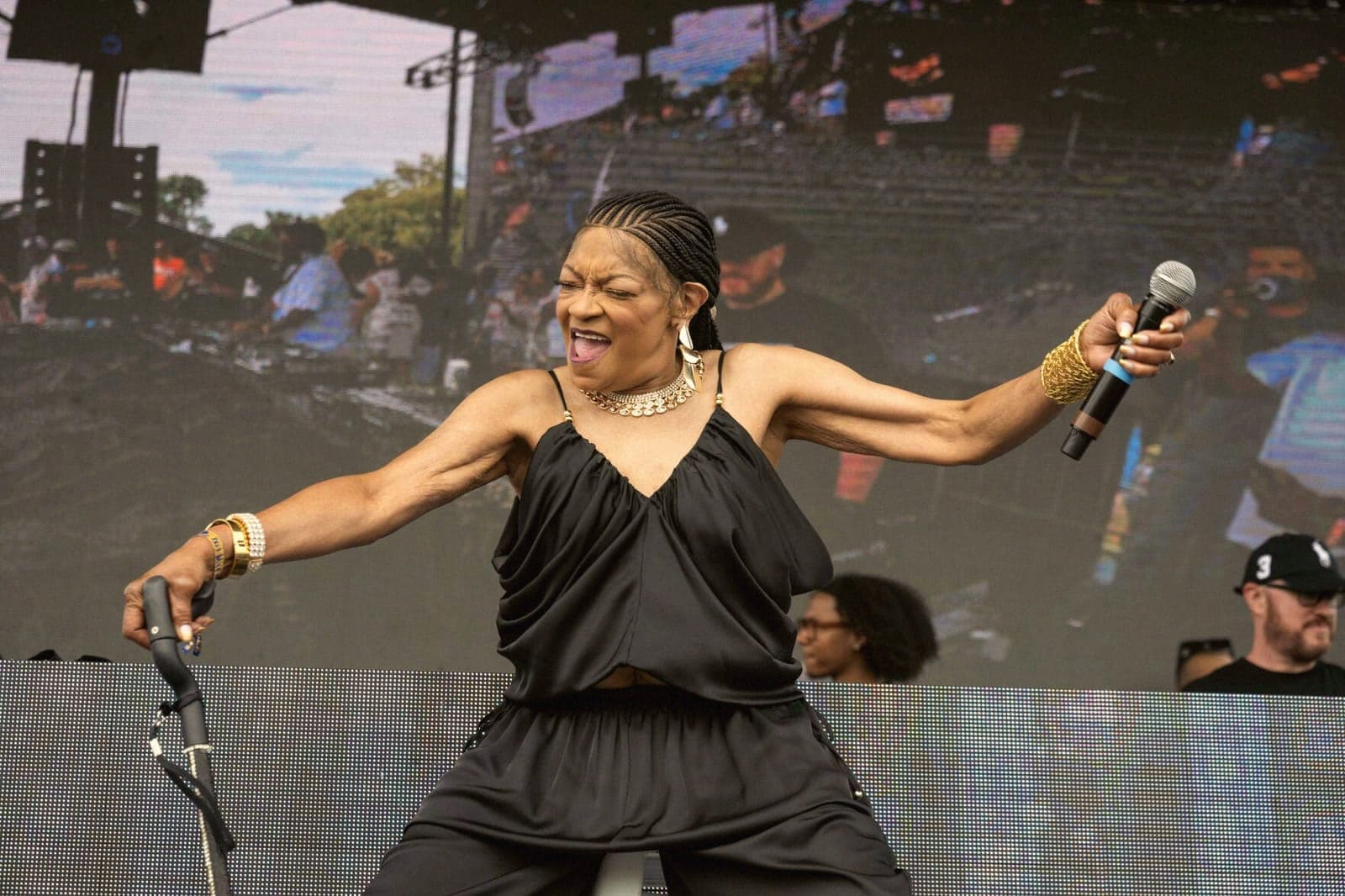
The Chicago House Music Festival & Conference runs Thursday August 27 through Sunday August 30, 2026, produced by the city's Department of Cultural Affairs and Special Events. A citywide kickoff at Daley Plaza opens the week, and the Chicago Cultural Center hosts the conference side: panels, artist discussions and workshops, alongside the Chicago House Dance Summit. Friday brings a SummerDance community lesson and house-dance workshop in Grant Park. Saturday is the main event: four stages running across Millennium Park from 1pm to 9pm, plus the Body: House Dance Competition finals, the Dance Summit awards ceremony and a showcase marking Footwork Appreciation Month. The weekend closes Sunday with a celebration on the Chicago Riverwalk. Every part of it, festival and conference alike, is free to attend.
Who's actually playing?
This isn't a festival built around flown-in headliners. Saturday's Millennium Park lineup is stacked with the people who actually made the genre: Roy Davis Jr., Chip E., "Maurice Joshua and Friends," Sundance, E-Smoove, Darryn Jones, DJ Heather, K'Alexi Shelby, Emmaculate, Yanna Lynette and more than 20 other Chicago DJs across the day, spread over stages built around different strains of the sound, from soulful house to the rawer Chicago style. It reads less like a booking sheet and more like a roll call of the people the rest of the industry name-drops without paying.