Where did ‘extreme analog’ come from?
The phrase belongs to media strategist James P Crane, who summed up the moment in five words: extreme AI is creating extreme analog. The logic is simple. When a machine can generate an infinite, frictionless stream of anything, the things people start to prize are the ones a machine cannot fake at scale: the finite, the physical, the obviously human. In electronic music, where the tools have always been part of the identity, that reflex is hardening into a movement.
You can read it in what producers buy, what labels press, and how DJs choose to stand on a stage. The more the feed fills with synthetic tracks, the louder the scene insists on gear you have to touch.
What do the numbers actually say?
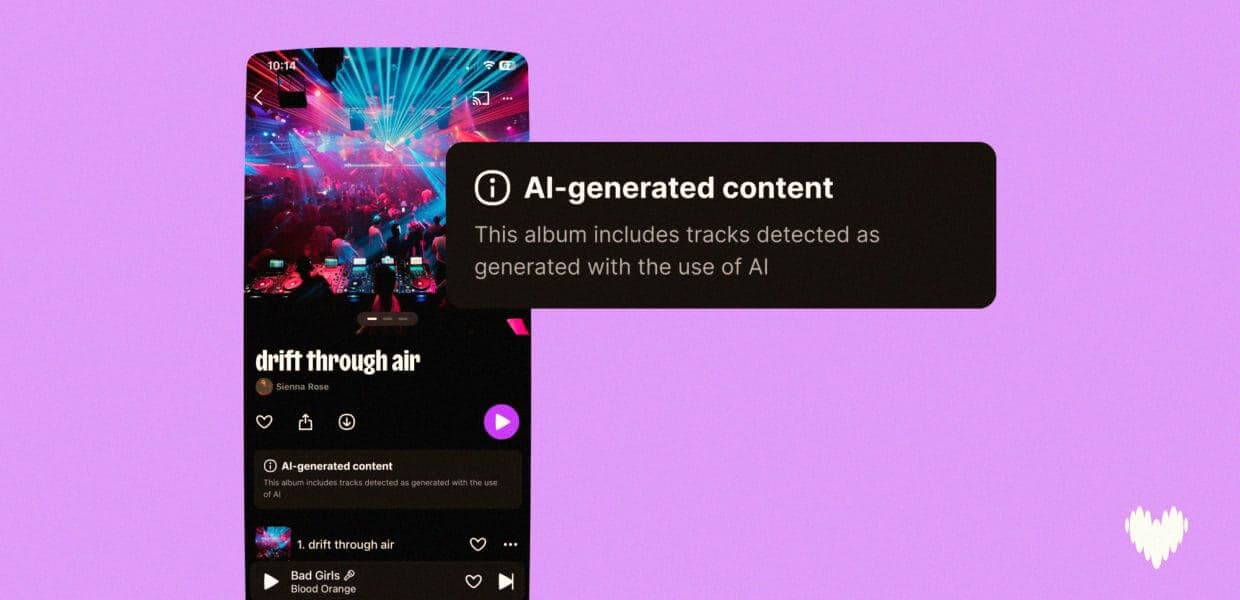
Deezer put a figure on the flood. The platform says it now receives around 75,000 fully AI-generated tracks every day, roughly 44 percent of everything uploaded, up from about 10,000 a day at the start of 2025. Consumption has not followed: AI tracks are still only 1 to 3 percent of actual streams, and Deezer flags about 85 percent of those streams as fraudulent and strips their payouts.
The counter-swing is just as measurable. US vinyl passed a billion dollars in sales in 2025 and has outsold CDs in revenue four years running. Cassette, a format everyone left for dead, more than doubled in early 2025 to its highest level in two decades, much of that demand coming from listeners under 25. None of it is efficient, and that is the point: a record you have to flip is a decision, not an autoplay.
When the supply of music turns infinite, scarcity moves to the object and the moment.
Is unplugging resistance, or just nostalgia?
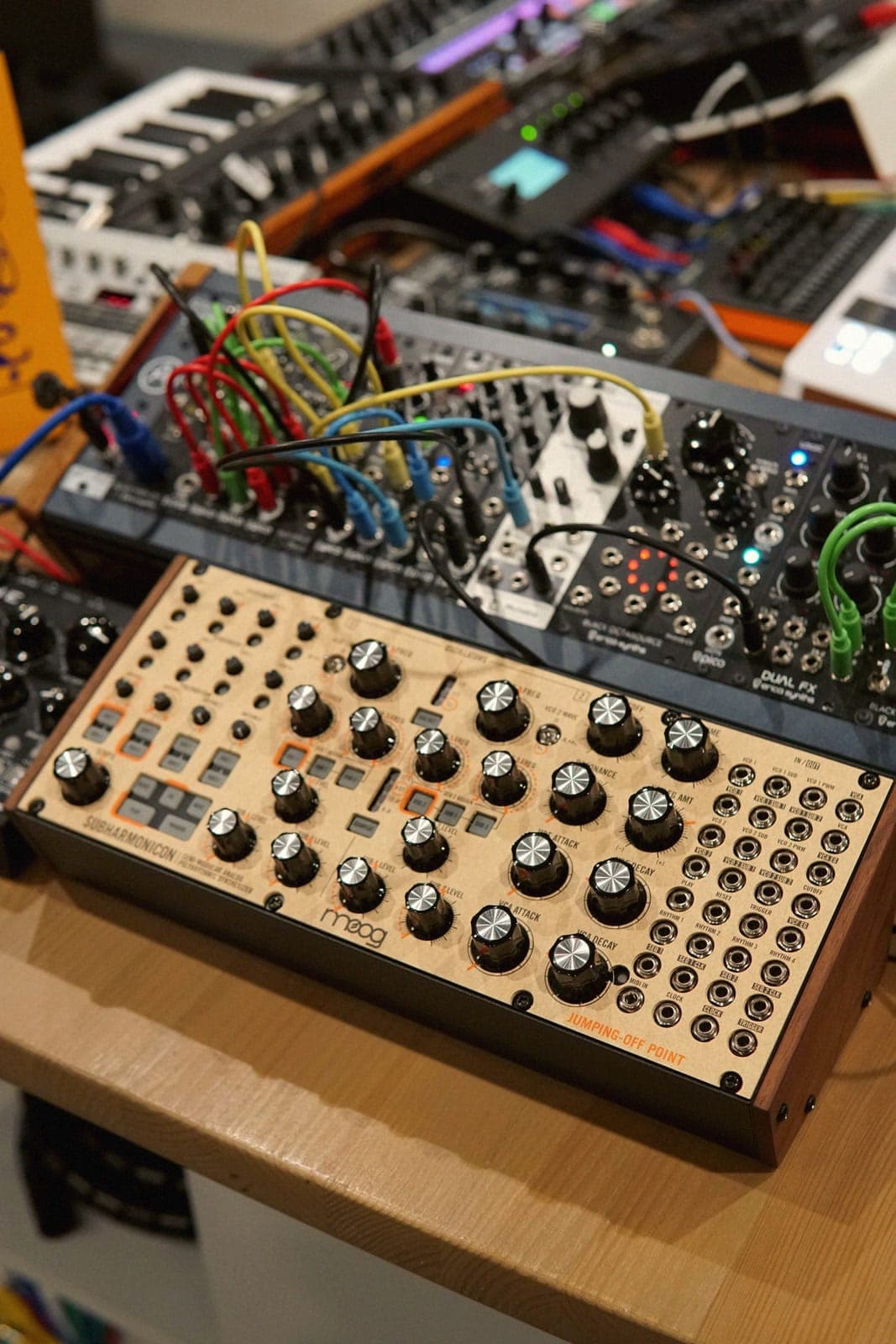
Here the scene splits. On one side, the analog turn reads as a real line in the sand. Hardware-only, or dawless, live sets are spreading through underground techno precisely because a table of blinking boxes is proof someone is playing, not triggering a file. No-laptop DJ rigs and phones-off dancefloors sell the same promise: presence you cannot automate.
On the other side sits an uncomfortable question. Is a wall of expensive modular gear resistance, or a new way to gatekeep? Analog costs money and time a laptop does not, and ‘you had to be there’ can quietly curdle into ‘you cannot afford to be here.’ The honest answer is that both are true at once. The AI flood is real, the human reaction to it is real, and so is the risk that authenticity becomes one more thing you buy.