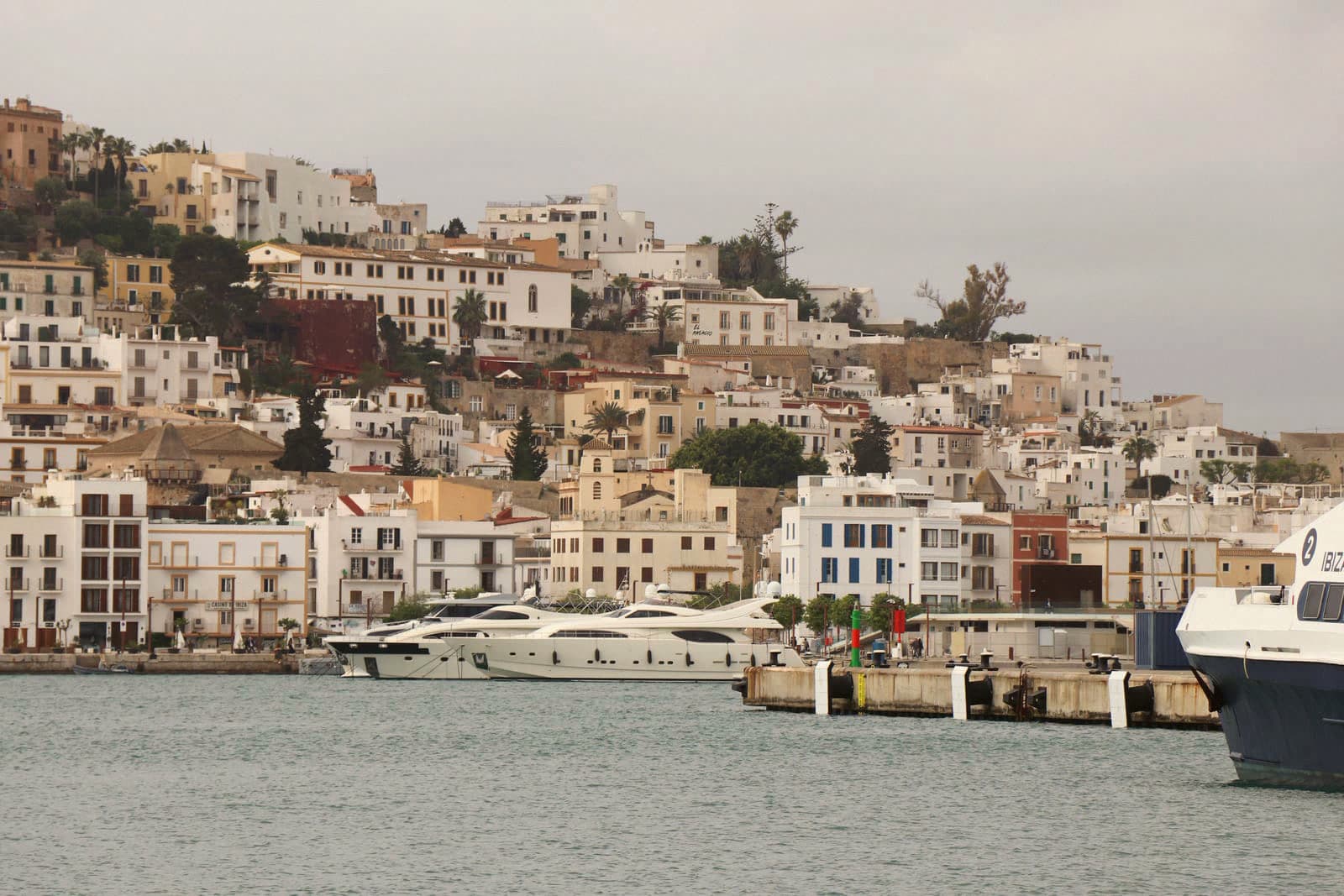
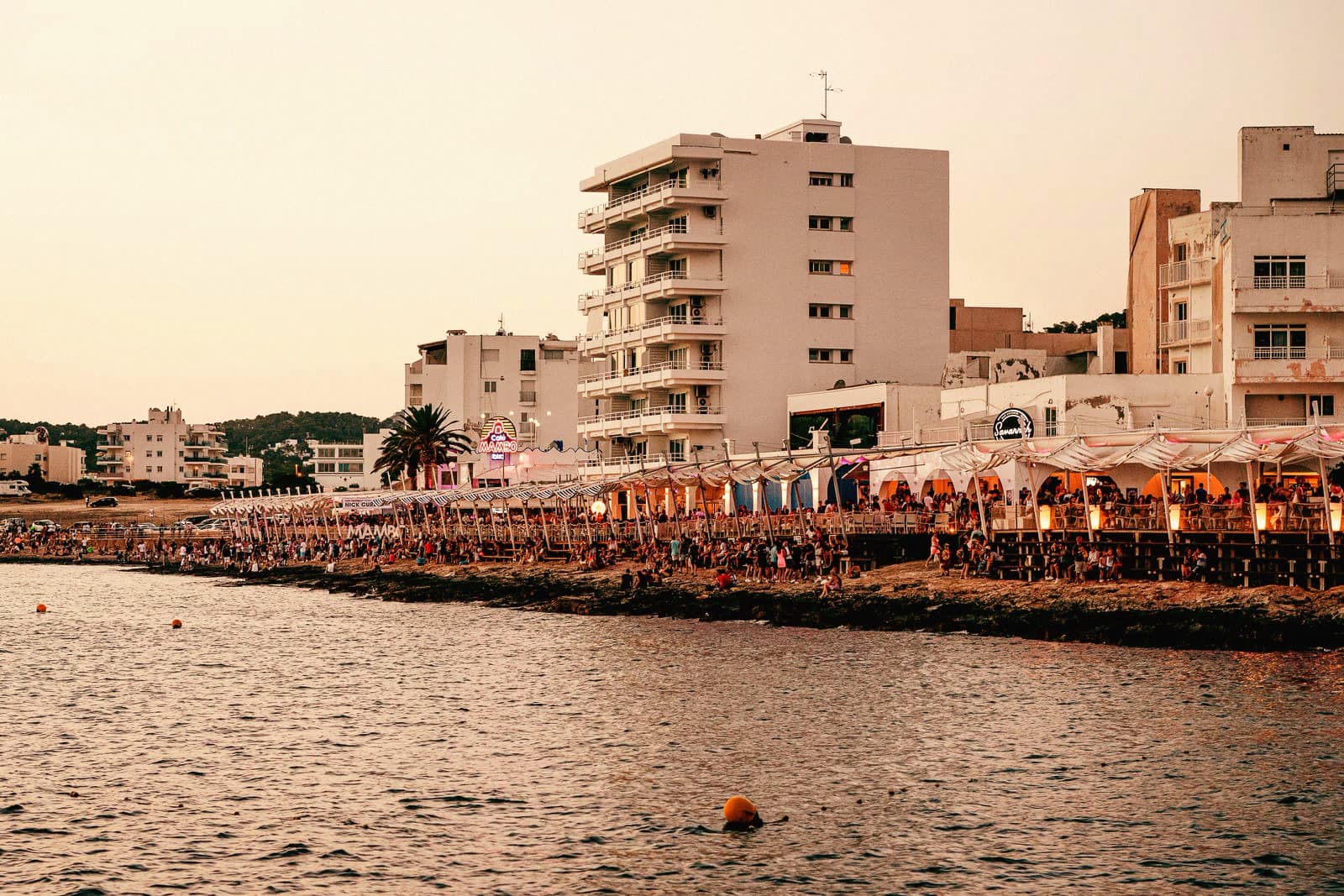
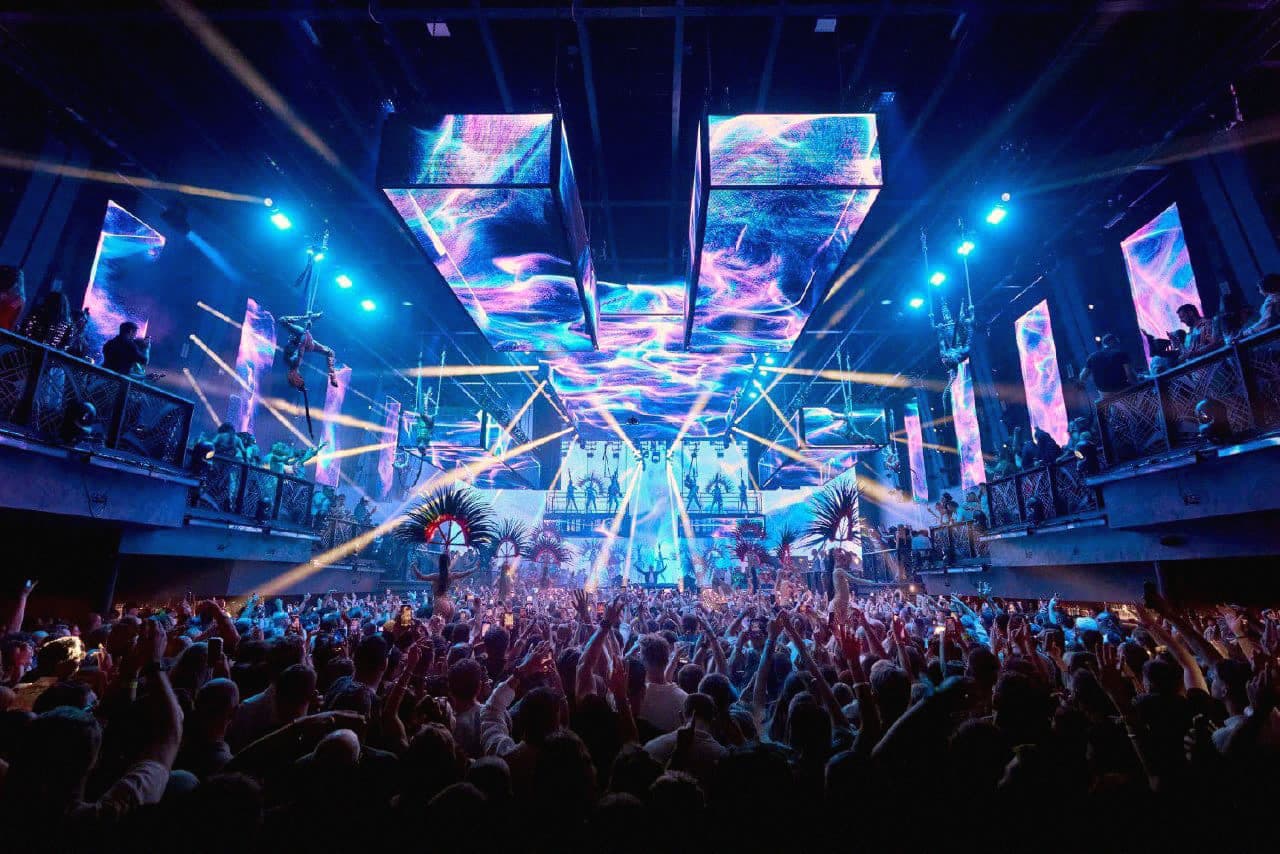
Ibiza's cash registers have never rung this loud. In July 2026, tourists spent €1.059 billion on the island and neighboring Formentera, the first time spending on the Pitiusas has ever broken the €1 billion mark in a single month. January through July, the combined total reached €2.585 billion, up 7.5% on the same stretch of 2025.
That same summer, thousands of residents walked out of their houses and marched against the infrastructure that makes all of it possible.
How did Ibiza cross a billion euros in a single month?
The July number is up 6.4% on the same month last year, and the average visitor spent €1,489 across their stay, close to €271 a day, according to regional tourism data reported by Forbes Espana. Nightlife, hospitality and the island's premium end (private villas, beach clubs, boat charters) all feed that figure, and the clubs are proof the top of the market is still climbing: Amnesia sold out full-event passes for its 50th-anniversary season in under three hours in a sale where not one artist had been confirmed yet. People paid for the brand and the date, not the lineup.
Why are residents marching against an airport, not a nightclub?
On September 20, close to 5,000 people, according to the Balearic government delegation's own count, marched from Passeig de Vara de Rey to Reina Sofía Park behind a single line: "We don't want a bigger Ibiza; we want a liveable Ibiza." The target wasn't a club or a promoter. It was Aena's plan for Ibiza airport, which would nearly double boarding gates from 17 to 32 and carve out a separate zone for non-Schengen arrivals, built to comply with EU border rules but read locally as capacity for even more flights. Fifty local associations backed the manifesto read that day, and Aena's own long-term forecast for the Balearic airports, cited in the protest coverage, puts combined passenger traffic at up to 50 million a year by 2031.
"We don't want a bigger Ibiza; we want a liveable Ibiza."
For an island where summer traffic already strains roads, water supply and rental prices, a bigger terminal reads as a bigger season, not a better one.
Is the nightlife economy even slowing down?
No sign of it. While residents were organizing the march, Yann Pissenem, the CEO behind UNVRS, Ushuaïa and Hï Ibiza under his company The Night League, had to go on his own Instagram to kill rumors that his group was merging with Five Group, the owner of rival Pacha. His answer, posted directly: "NOT FOR SALE." Whatever the rumor was built on, the fact that it spread at all tells you how much consolidation money is circling the island's biggest venues right now.
The other number sitting alongside the record spending: 140 drug-trafficking arrests logged on the island between June 1 and early November, a reminder of what else scales up when a few hundred thousand extra visitors land every summer.
Why it matters
Ibiza's nightlife economy is setting records at exactly the moment the island's capacity, in airport gates, housing and resident patience, is the thing actually running out. The gap between what the industry can sell and what the island can physically hold is no longer theoretical, it's in the streets.
What we think
The numbers say the model works better than ever. The march says the model has a ceiling the spreadsheets don't show. Nobody selling out a 50th-anniversary season in three hours or denying a merger on Instagram is going to be the one who redesigns an airport, and that's exactly the problem: the people cashing in on growth and the people living with it are no longer the same people.