Why is Ibiza Town's busiest beach empty in August?
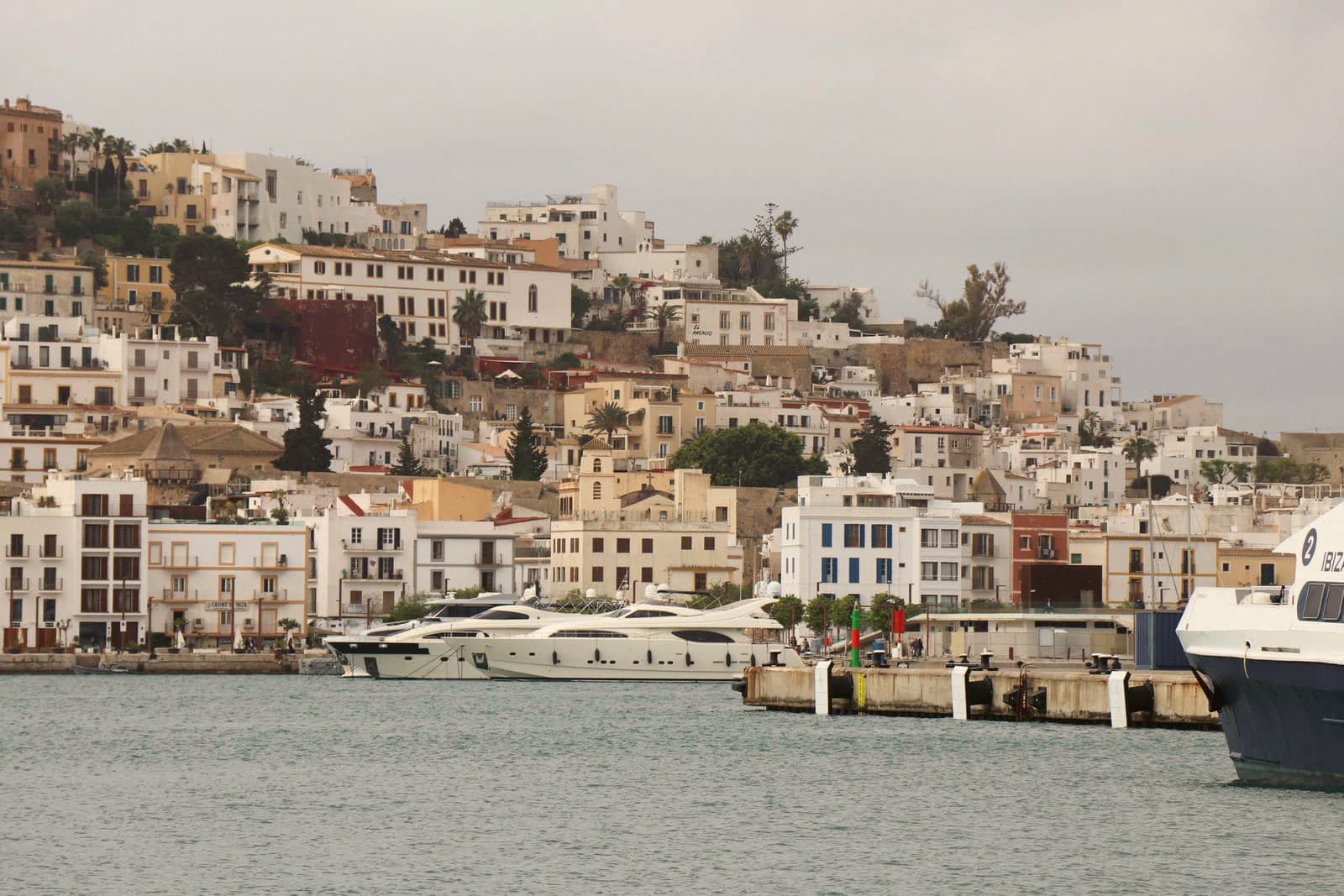
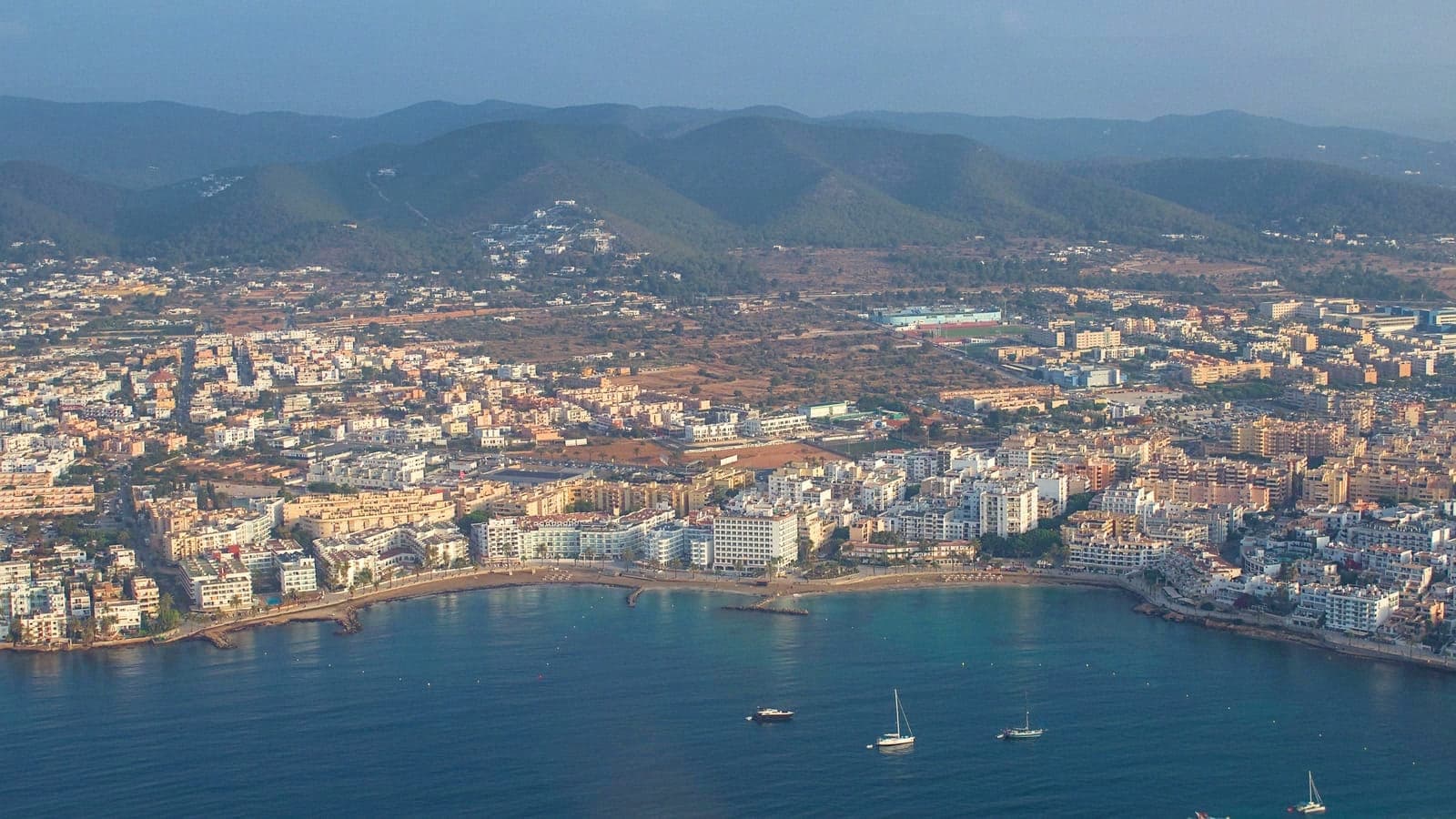
Ses Figueretes has always been the beach you'd expect to be packed in August: five minutes from Ibiza Town's old quarter, walking distance from Marina Botafoch, the default stretch of sand for anyone staying in town rather than San Antonio or Playa d'en Bossa. This year it isn't, according to Periódico de Ibiza. Local business owners blame two intertwined causes: masificación, the overcrowding that makes the town itself hard to navigate, and prices that have pushed the middle-class, week-long family holiday out of reach. Visitors who used to book a full week are now staying roughly three days, per that reporting: enough time to see the island and get out before the costs compound.
The pattern lines up with what's happening across the wider Balearic market. Average daily accommodation rates in the islands climbed to nearly 200 euros a night in the first half of 2026, and a standard seven-day family trip now costs around 25 percent more than it did two years ago, per Travel And Tour World. Mid-range hotels are being converted into boutique five-star properties across the region, a deliberate quality-over-quantity push by local authorities to capture fewer, higher-spending visitors instead of the mass-market crowds that once filled waterfronts like Ses Figueretes.
Where did the spending actually go?
Here's the part that matters for anyone working inside the island's club and hospitality economy: the money didn't disappear, it moved. Per Periódico de Ibiza, the tourists still arriving increasingly follow a closed circuit: hotel to beach club to nightclub, booked and billed inside a small network of hospitality groups and promoters that never touches the town's independent bars, restaurants or shops. A guest paying for a beach club cabana and a nightclub table can spend more in a single day than a family used to spend in a week, and none of it lands on Ses Figueretes' seafront chiringuitos or the shops along the promenade.
That's the real story behind an empty beach in what should be the busiest month of the year: Ibiza's headline tourism revenue can hold, even grow, while the town's street-level economy shrinks, because the nightlife industry has been built to capture spend before it ever reaches the pavement.
What does this mean for the people who live and work on the island?
The squeeze runs both directions. Workers on the island describe rents as steep as 800 euros a month for a single shared room, per Periódico de Ibiza, a cost that makes it barely viable to staff the bars, restaurants and shops meant to serve the visitors who still come. Local business owners are watching a familiar circle close in: fewer walk-in customers because of the prices and crowding, thinner margins to pay staff who can barely afford to live there, and a nightlife economy upstream that keeps growing regardless.
Ibiza's club industry has spent years selling itself as an engine for the island. Ses Figueretes sitting empty in peak August is the visible proof that the engine now mostly runs for itself.