What did INS LAND actually open?
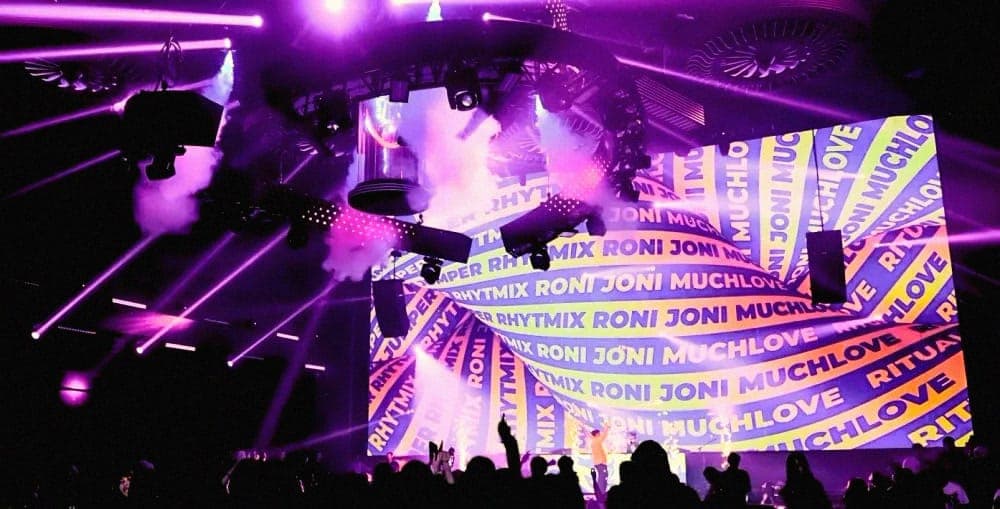
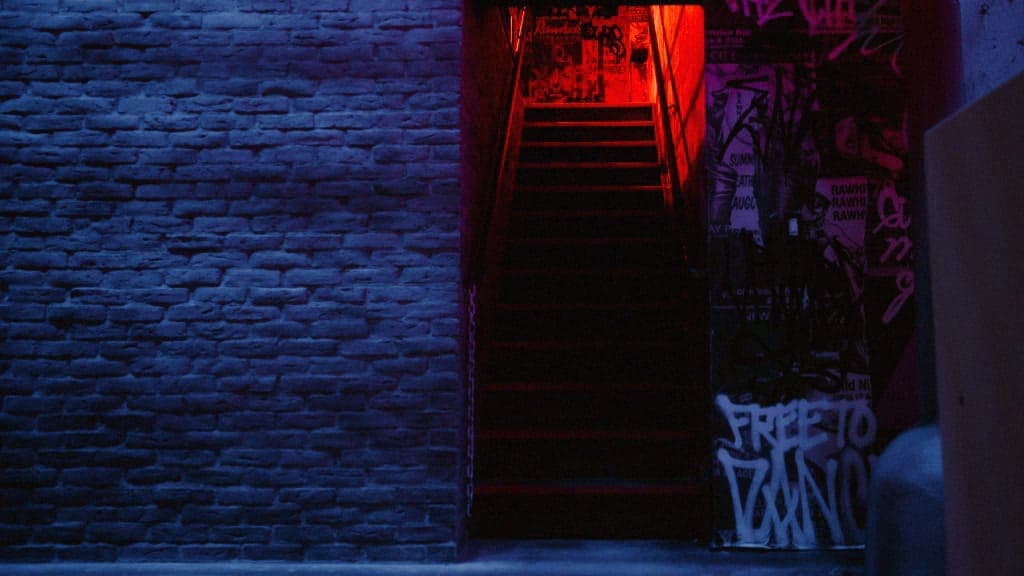
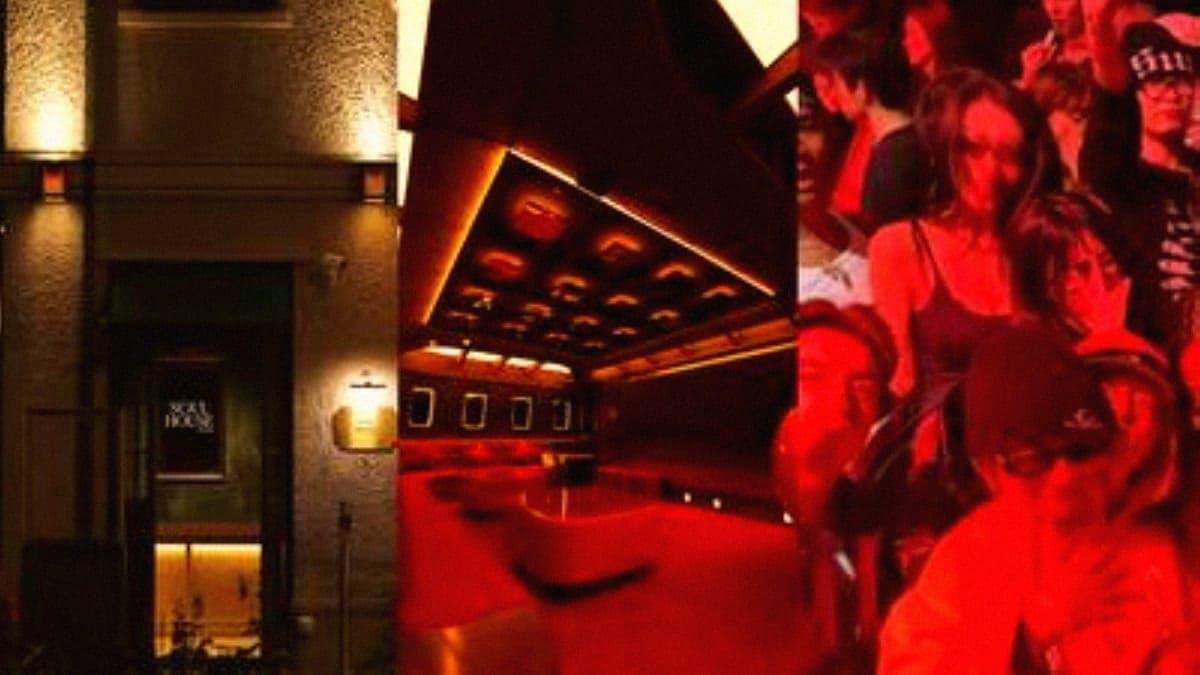
INS LAND used its third anniversary on 16 June to unveil three new spaces in central Shanghai, and none of them look like a normal club. Soul House is a cocktail bar built as a set of themed rooms, each with its own story, scenography and drinks, a two-minute walk from the main building. RADI, the group's flagship electronic-music room, has been gutted and rebuilt bigger, its interiors borrowing from industrial design, modernism and retro-futurism, down to references to 1970s train stations and the Berlin U-Bahn. Jump is the loud one: a high-energy club built around a spring-loaded dancefloor designed to keep the crowd literally bouncing.
"With a single ticket, guests don't just visit a venue; they enter a world where experiences are reborn every 45 days." Leo Liu, INS LAND cofounder
How big is INS LAND now?
Big enough that the word "club" undersells it. The brand now runs 20 fully owned and operated venues under one ticketed ecosystem, pulled more than four million visitors through its doors in 2025, and sits at No. 12 in the world on DJ Mag's Top 100 Clubs, No. 3 in Asia and the highest-ranked club in China. Cofounder Leo Liu, who heads brand and growth, frames the new rooms as "our answer to 2026" and part of a plan to bring "the gaming world to life." A Bangkok outpost is slated for 2027, and the partner logos already include Mercedes-Benz, Nike, Douyin, Doritos and Publicis.
Why does a Shanghai club matter to the rest of the scene?
Because the timing is brutal. While INS LAND adds rooms, Berlin is burying institutions and London keeps losing venues to rent and redevelopment. China has quietly built the model nobody in the West wanted to admit was coming: the club as a vertically integrated, brand-funded, refresh-every-45-days entertainment product, closer to a theme park than to a warehouse. Whether you read that as the future or as everything house music was supposed to push against, it is working, at scale, right now.