Why is a drinks brand building nightlife infrastructure in Africa?
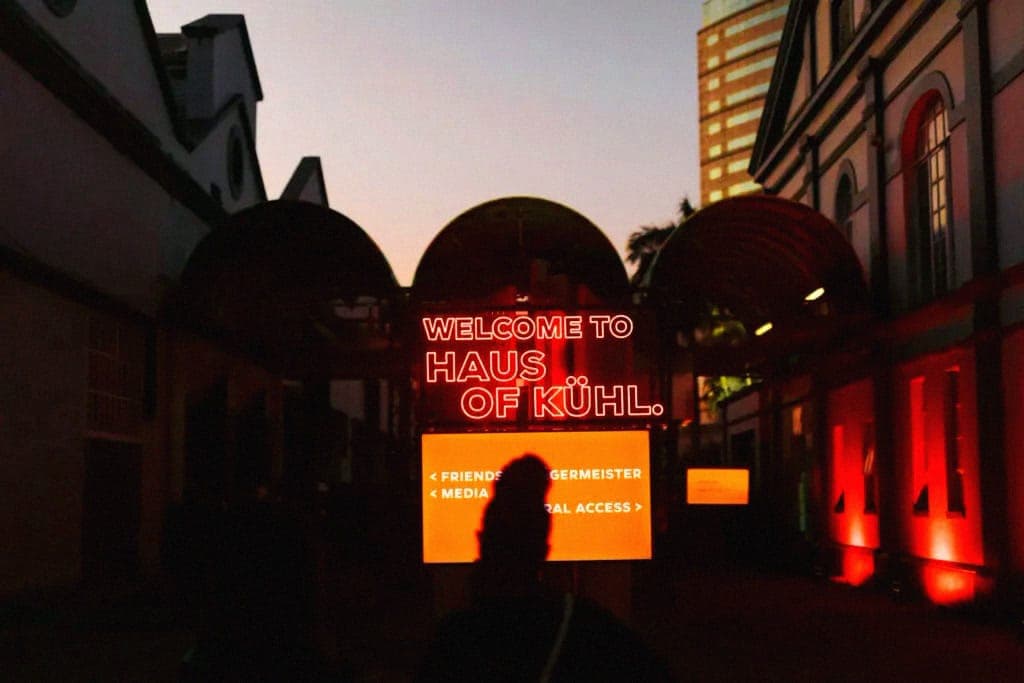
Haus of Kühl isn't an independent collective renting out a warehouse. It's owned and run by Jägermeister, which introduced the touring platform in South Africa in 2023 and has since taken it through editions in Johannesburg, Durban and Cape Town, each pairing genre-shifting local lineups with the brand's own idea of 'immersive' staging: frozen bars, speakeasies, silent discos. On September 26, the platform moves outside South Africa for the first time, landing at Sk8City on Diamond Plaza 2 in Nairobi for a 6 PM to 4 AM run under the banner Jägermeister Haus of Kühl Nairobi 2026.
Ephraim Manana Snr, Jägermeister's Senior Culture and Experiential Marketing Manager, frames the move as recognition of the city's creative momentum rather than a one-off activation.
"Haus of Kühl is about creating a space where these worlds can collide for established and emerging creatives to share the same platform."
What's actually on offer for Nairobi's scene?
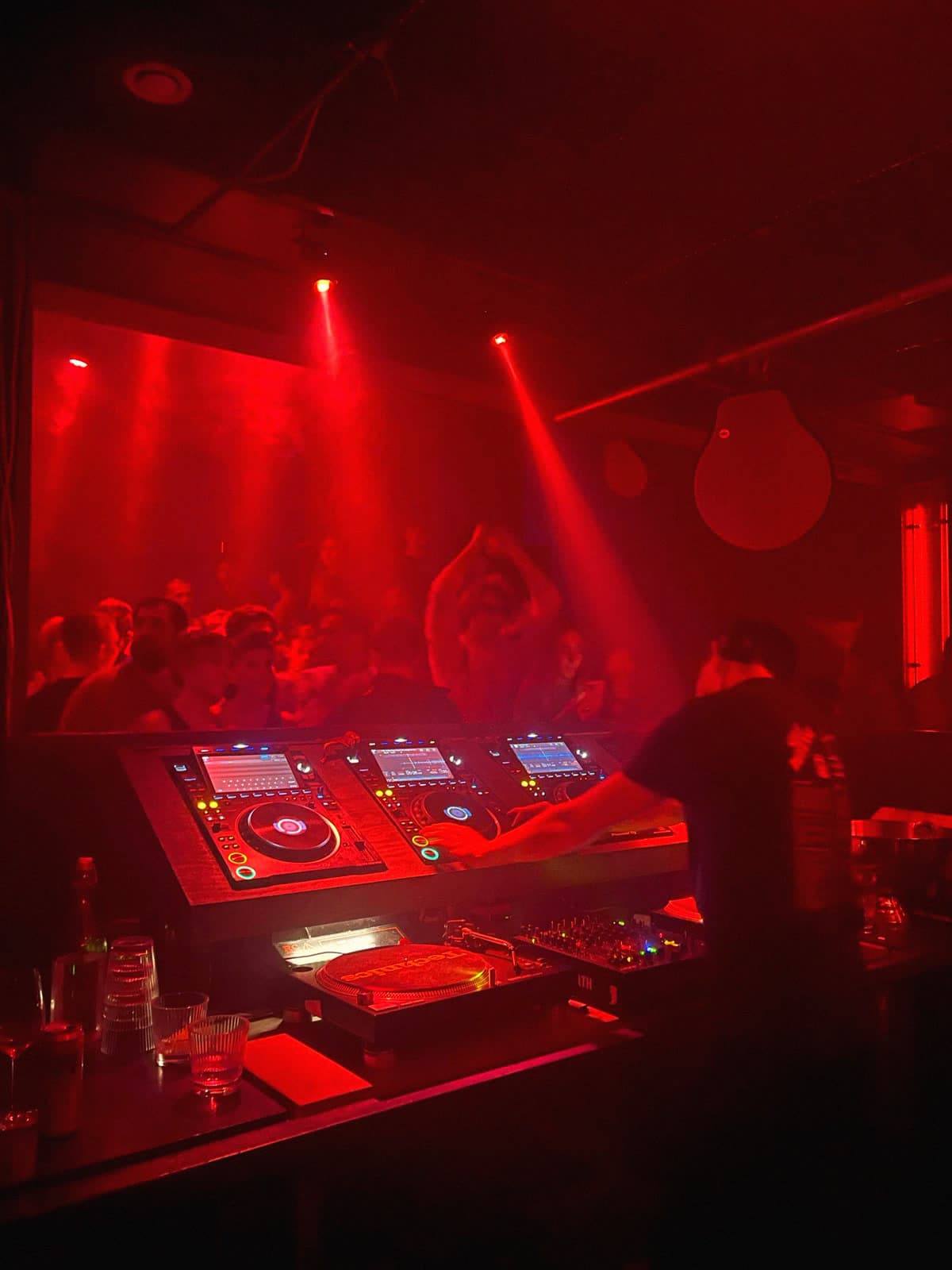
The bill isn't a South African headliner parachuted in over local support. KMAT and MfanaTouchLine share the Main Stage with more than 36 Kenyan DJs, dancers and performers, among them singer Iyanah and dancers Ian Tico and Thee Iconic. A dedicated Dance Stage is built around underground sounds, aimed at the subcultures that rarely get a slot on Nairobi's bigger commercial bills, while a Silent Disco curated by Studio Can-V runs head-to-head battles for DJs from its own network. Past the two dancefloors, the night stretches into a Meister Market streetwear pop-up carrying Nairobi labels Pesos and HAGT, a Manifest Speakeasy running tarot readings, a Gaming Zone with giant Jenga and console setups, and a 'Safe Now Zone' for hydration and support.
Is this real investment or a market-entry play?
Both, honestly. A drinks brand doesn't build a multi-room, multi-stage production in a new country without expecting a return, and Nairobi becoming Jägermeister's first East African stop is a market call as much as a cultural one. But the lineup mechanics matter: more than 36 local names on the bill next to two South African guests is a real platform, not a headliner-and-vibes tour. Early bird tickets, priced at KES 500 against a KES 1,000 advance rate, sold out ahead of the date.
Why it matters
A global drinks brand picking Nairobi as its first East African market, ahead of other regional hubs with established club circuits, signals that the city's DJ and dance-crew network has reached a scale that advertisers now compete for, even if the platform itself stays corporate-owned rather than scene-built.
What we think
Credit where it's due: a bill this deep into Kenyan DJs, dancers and streetwear labels is more than most touring brand activations bother with, and it should mean real fees and real exposure for artists who don't usually get a stage this size. But it's still Jägermeister's platform, Jägermeister's name on the banner, and Jägermeister's marketing manager doing the talking. Nairobi's scene should take the stage time and the paycheck, and keep building its own rooms for the nights when the brand isn't in town.