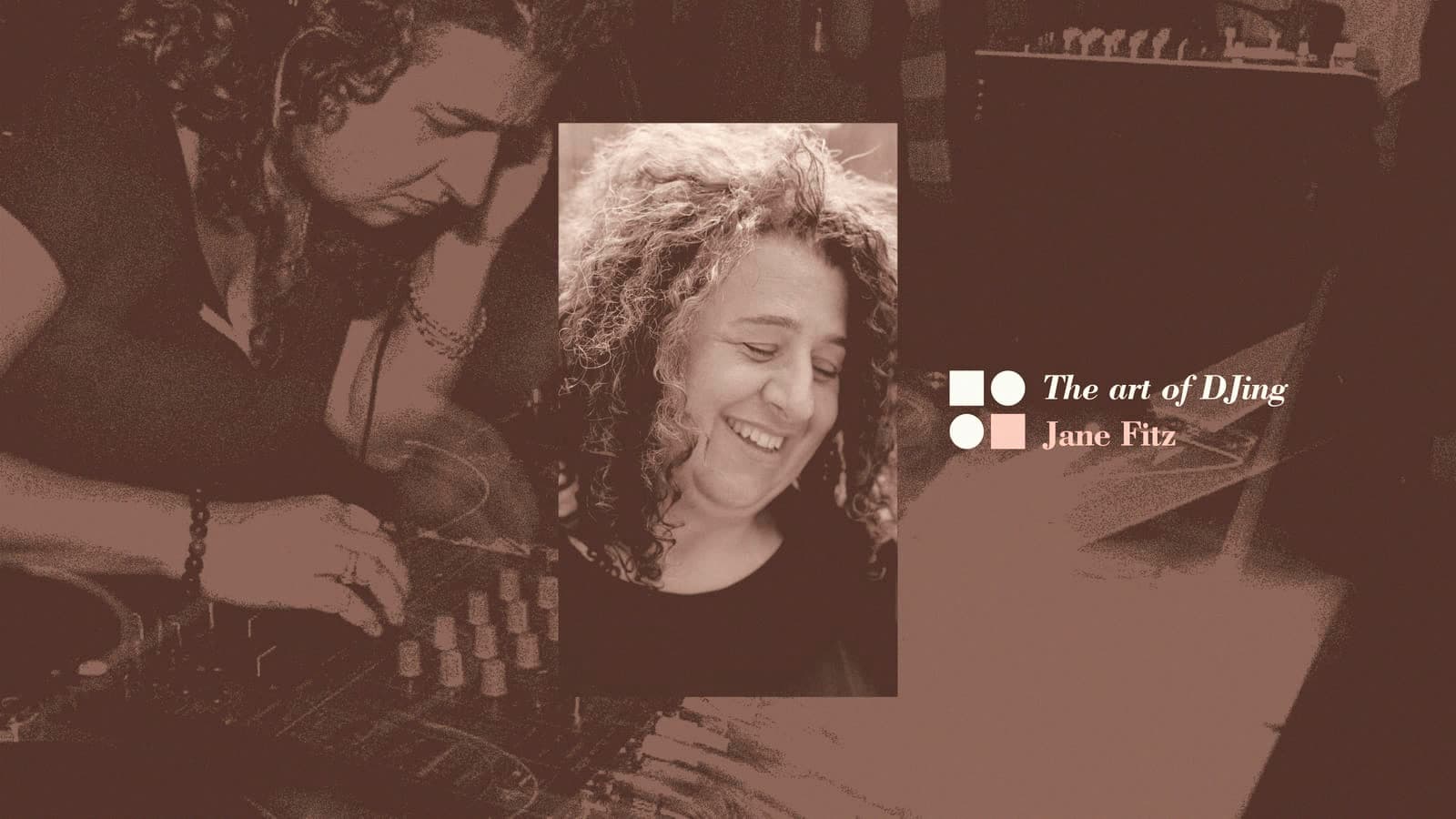
Jane Fitz has spent two decades building her reputation on records, not opinions. The vinyl-only sets, the Freerotation residency, the Night Moves parties she co-runs with Jade Seatle: all of it rests on a simple premise that the booth and the floor are in conversation through sound, not small talk. So when she posted a plea to Instagram in late October, days before a regular Houghton Festival appearance, it carried weight beyond a single rant.
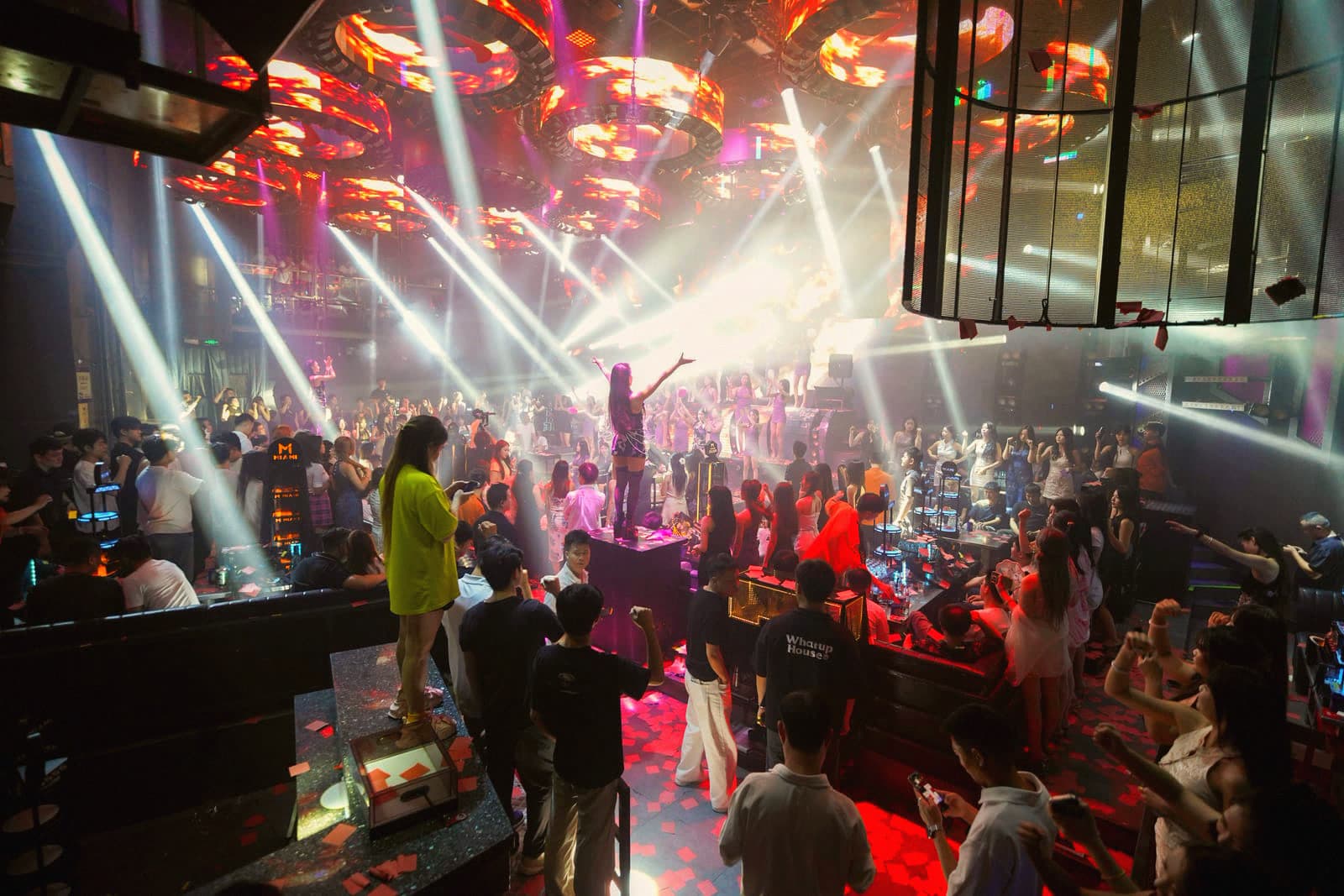
Her target was specific. Not talking itself; the people who plant themselves motionless in a loud room to ask about someone's new boyfriend or what they had for lunch. "What I wrote was super respectful," she said. "A bit of talking is obviously OK. But why would you stand completely still, where the sound is super loud, just to ask your mate about a new boyfriend or what they had for lunch? It's called a dancefloor for a reason."
Why did this read as an attack to some ravers?
Any time a DJ tells a crowd how to behave, somebody hears a scold. Fitz got exactly that reaction and pushed back on it directly: "People were accusing me of being the fun police. I'm not trying to stop your fun, mate. I'm trying to give you a better night out." It is the same throughline she laid out months earlier in a Groove interview, where she argued the best parties are "individual experiences shared collectively" and said unison phone-filming is what she misses most about older raves: a room full of people documenting a moment instead of living inside it.
The debate did not stay online. At Houghton, someone printed and handed out cards reading "The Dance Floor Is For Dancing", complete with an EQ diagram plotting where vocals sit above the bassline, literal evidence that a dancefloor is built to be felt in the body, not chatted over at a volume nobody can actually use for conversation.
Who's actually defending the chat?
The sharpest counter came from James Ronald, the Hot Cross Fun and Disco Disco resident, who wrote a rebuttal bluntly titled "Please Talk on the Dancefloor." His case: conversation on the floor is not a failure of attention, it is how strangers become regulars and regulars become a scene. Cut it out entirely and you get rooms full of people facing the DJ in silence, which is its own kind of dead atmosphere.
London queer-club historian Dan Beaumont split the difference, arguing healthy nightlife needs both "yappers and dancers" operating in the same room, often the same ten minutes. The wider commentary around the story has leaned on generational shift, TikTok-trained spectatorship against older rave norms that treated the floor as a physical, nonverbal space, with some observers also pointing to recreational drug use, ketamine specifically, as a factor behind the glassy-eyed standing-still crowd Fitz describes. None of that gets resolved by one Instagram post or one rebuttal; it is the actual texture of UK clubbing right now.
"I'm not trying to stop your fun, mate. I'm trying to give you a better night out."
Why it matters
This is a fight over what a dancefloor is for, and it is splitting along generational and scene lines in a way that will outlast one Instagram thread: promoters and DJs are already weighing whether to design rooms, and sets, around dancers or around socializers.
What we think
Fitz is right that a dancefloor built for 20 minutes of static chat at full volume is a design failure, not a vibe. But Ronald's point lands too: the best nights we've been in always had some talking at the edges, that's where the scene actually gets made. The real tension isn't talking versus dancing, it's attention versus distraction, and phones do more damage to that than conversation ever has.