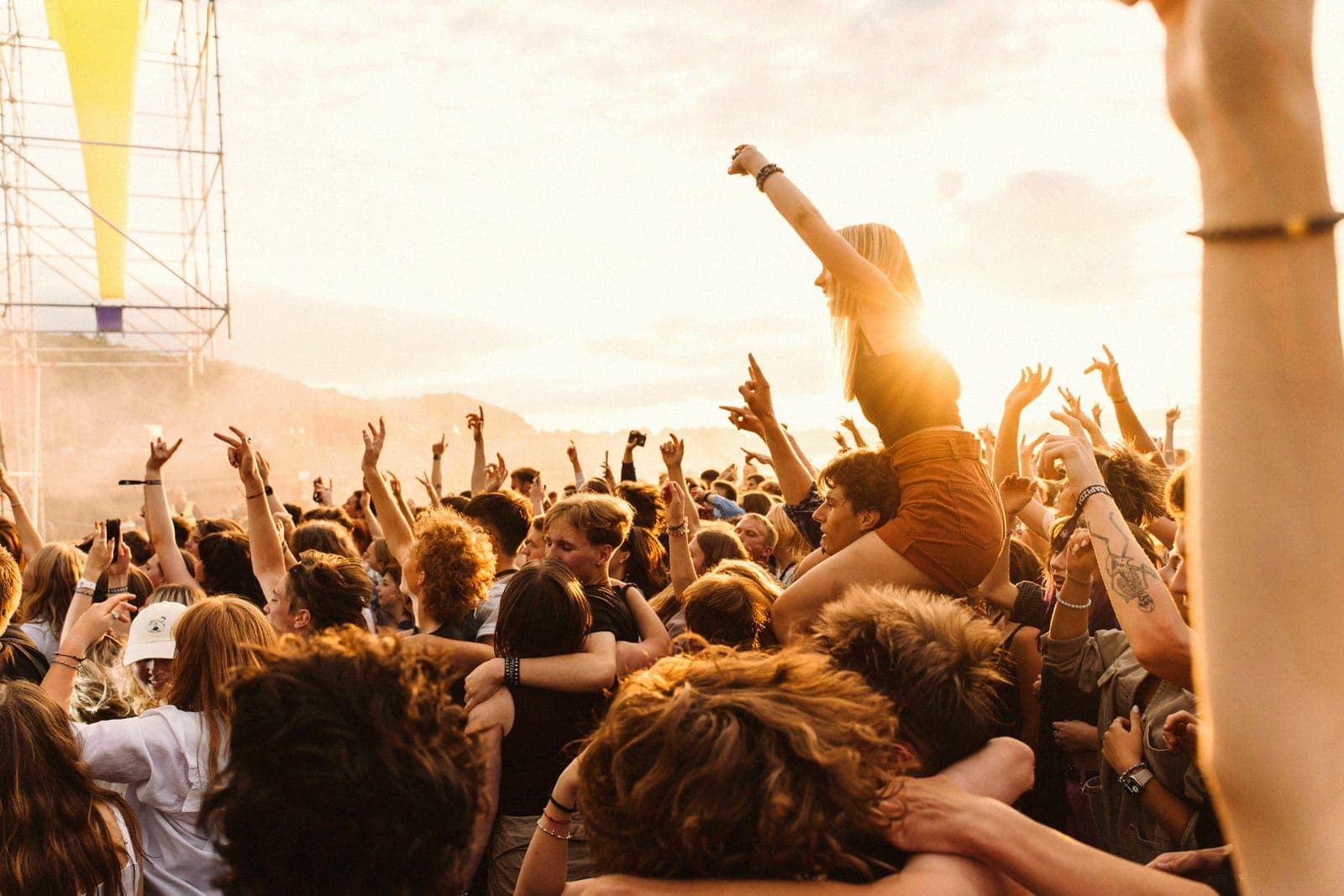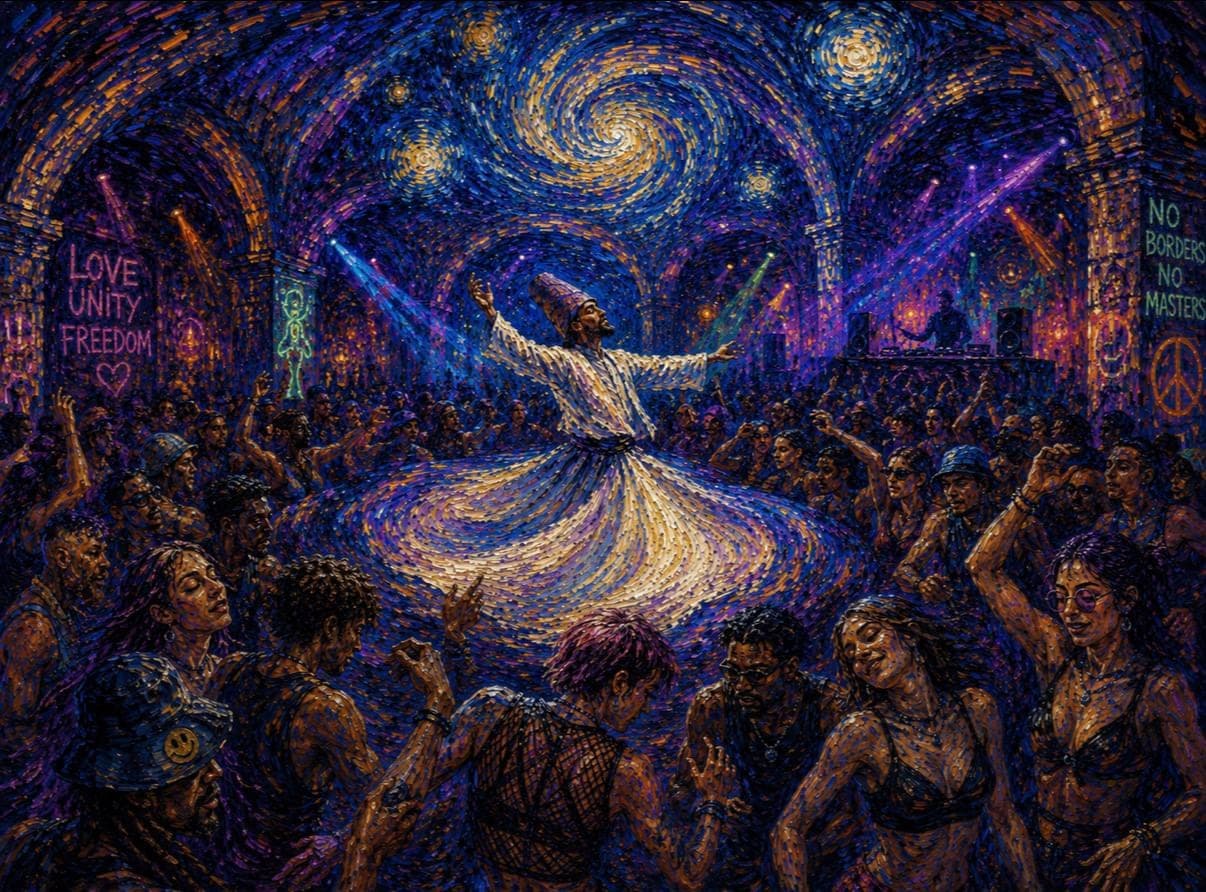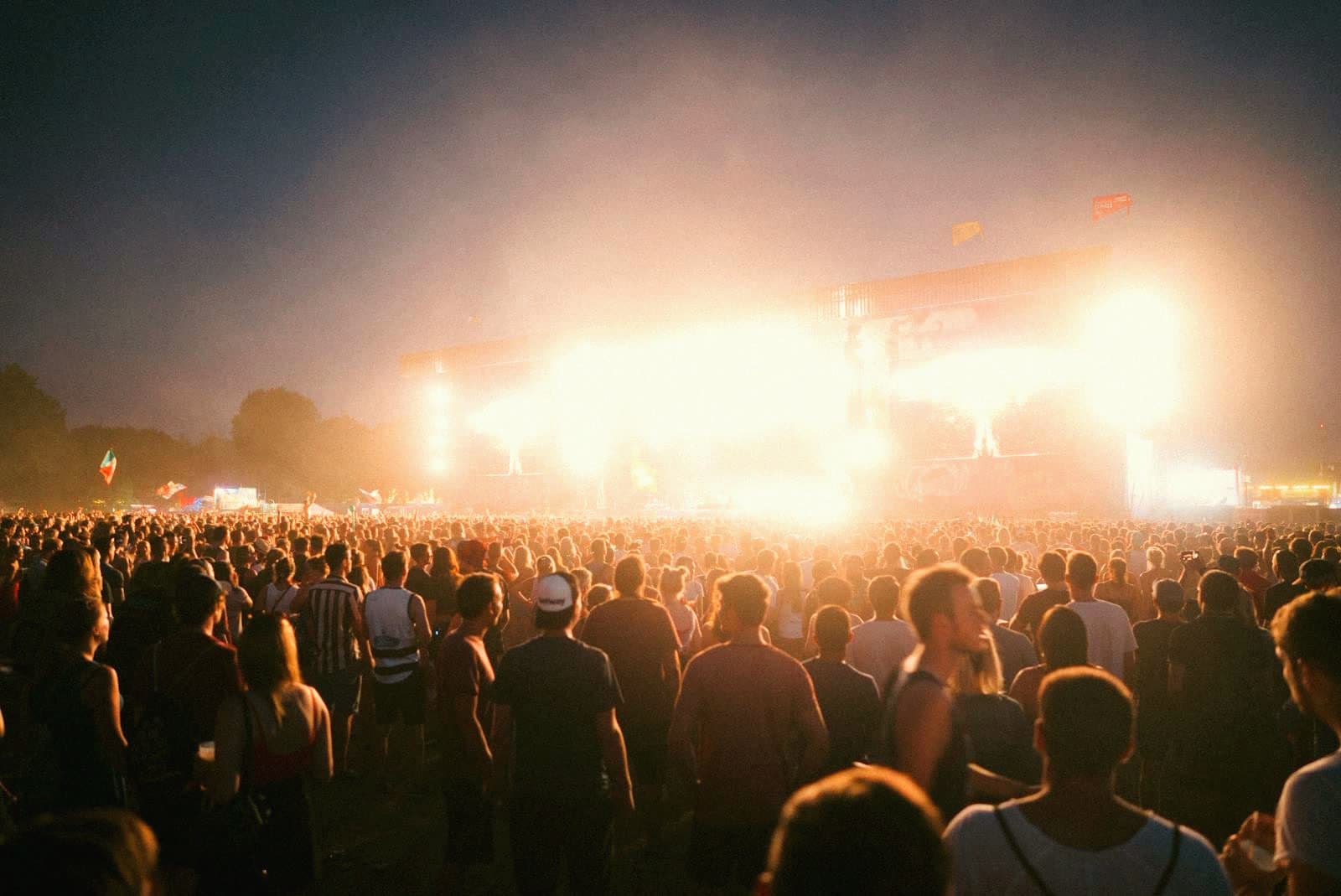
Every house head knows the feeling. Three hours into a good night, the lights, the low end and the bodies around you stop being separate things and become one moving organism, and for a few minutes you are not really yourself anymore. The easy explanations are chemistry or escapism. The more interesting one, drawn from research around Amsterdam Dance Event and Erasmus University Rotterdam, is this: a crowd on a dancefloor is not consuming a night out. It is building one.
Why does dancing for hours to a repetitive beat feel so good?
The answer is physical before it is mystical. Shared rhythm does real coordinating work. "Through beat synchronisation, we know how people's heartbeats begin to synchronise, even how people breathe," the Erasmus sociologist Julian Schaap told his university in October 2023. "If this is successful, something we call collective effervescence can occur: the moment individuals actually forget themselves and merge in ecstasy with the group and the music."
The term collective effervescence comes from Émile Durkheim, who used it for the charge that runs through a crowd locked into a shared ritual. A four-to-the-floor room does exactly that work. The repetitive beat is the synchronising machine: it pulls movement, attention, breathing and bodily experience into step until the line between you and the room thins out. That is the engine under every great night, not the track alone, but a whole crowd falling into the same pulse.
"The moment individuals actually forget themselves and merge in ecstasy with the group and the music."
The crowd makes the night, not the other way around
There is an old line, inherited from the Frankfurt School, that nightlife is manufactured distraction sold to a passive crowd. Schaap, writing with fellow Erasmus sociologists Michael Berghman and Femke Vandenberg in November 2023, pushed back hard. Their argument is that people shape the meaning they take from music and raving themselves, rather than swallowing whatever is sold to them. Electronic music brings people together, can give meaning, and can hand someone a lasting identity; on the floor people find themselves, each other and even their politics.
That is the heart of it: a rave is collective creation. The lineup, the lights and the room are raw material, and the crowd turns them into meaning, energy, relationships and community. The escape is real, but ravers come back up with new connections and a renewed sense of who they are, which is the opposite of empty consumption.
A floor that lowers the walls between strangers
The same mechanism does something quietly radical. For a few hours, the dancefloor can soften the social boundaries that usually keep strangers apart, who you are, where you are from, what you do all week, and let a room full of people move and breathe as one. It is a small, temporary proof of how much capacity for connection we actually carry. Most nights it stays on the floor. The interesting question is what a scene does with it afterwards.
Where the promise gets tested
Before all of this, Schaap spent years on a harder question: why listeners colour-code genres. His 2022 paper Black Rap, White Rock, with Pauwke Berkers, found that people attach race to music almost automatically, rock reads as white, rap as Black, before anyone decides to think it, even though rock's roots run straight through Black rhythm and blues. House carries inherited codes too. Read constructively, though, that research points somewhere hopeful: if the floor can dissolve the self and let strangers connect, it is exactly the place a culture can make good on its promise of inclusion, as long as it knows the codes are there and chooses to work against them.