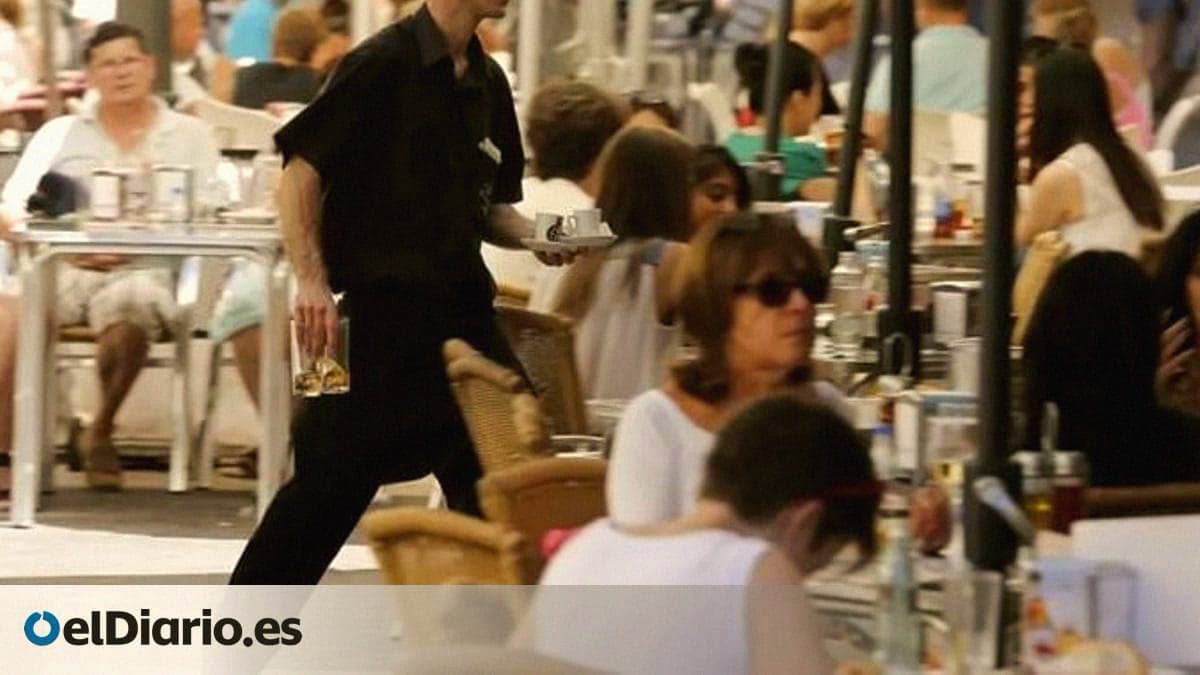
The video is short: an order screen, a waiter doing the maths out loud, a coffee that costs the hotel about 20 cents landing on a guest's bill for five euros while the person serving it takes home roughly 1,400 euros a month. Fiesta Hotels & Resorts fired him for it. Almost five years on the job, clean record, gone within weeks of a disciplinary letter that cited the clip.
What exactly did the judges rule?
The Tribunal Superior de Justicia de les Illes Balears never asked whether the company lost a single euro over the video. Article 54 of Spain's Estatuto de los Trabajadores doesn't require it: a breach of contractual good faith is grounds enough on its own. The judges called the clip "un ataque directo a la reputación y crédito profesional" of the company, an attack directly on its reputation and professional credibility, and found it "objetivamente apta para quebrar la buena fe contractual", objectively capable of breaking the trust that binds an employment contract, no receipts or balance sheets required.
"objetivamente apta para quebrar la buena fe contractual"
The company never had to show a lost booking. It only had to convince the court the video embarrassed it publicly, and that the internal till screen visible in the clip amounted to leaking a proprietary system, not just griping about the job.
Whose hotel was this, exactly?
Fiesta Hotels & Resorts sits inside the empire built by the Matutes family, the Ibiza dynasty whose holdings run from hotels to real estate, with decades of weight in Balearic and national Spanish politics: the family has produced a Spanish government minister and a string of Ibiza mayors. It's the kind of operator that sets the tone for how the island's hospitality sector treats front-line staff, and it just won a court case establishing it can fire someone for telling the public what tourists actually pay for.
What does this mean for everyone else serving drinks on the island?
Ibiza runs on the same arithmetic the waiter filmed: superclub door prices, VIP bottle-service markups and eye-watering bar tabs, carried by a workforce paid standard hospitality wages in one of Europe's most expensive summer economies. The ruling doesn't just end one man's job. It tells every bartender and door person on the island that pointing out the gap between what a round costs and what it's charged for can get you fired, whether or not the company can prove it lost a cent. He can still take the case to Spain's Supreme Court, but for now the TSJIB's word stands: reputational harm is enough.