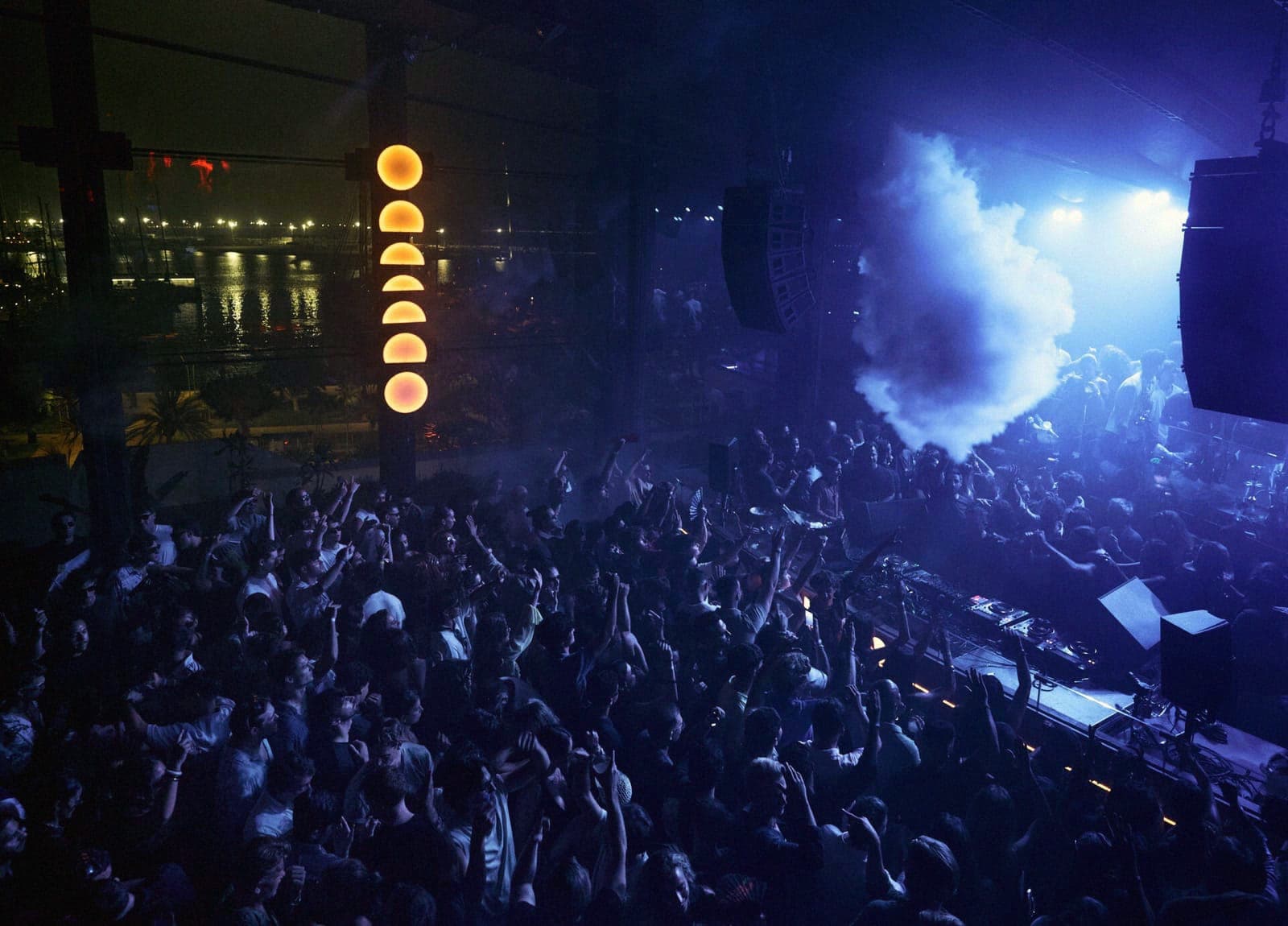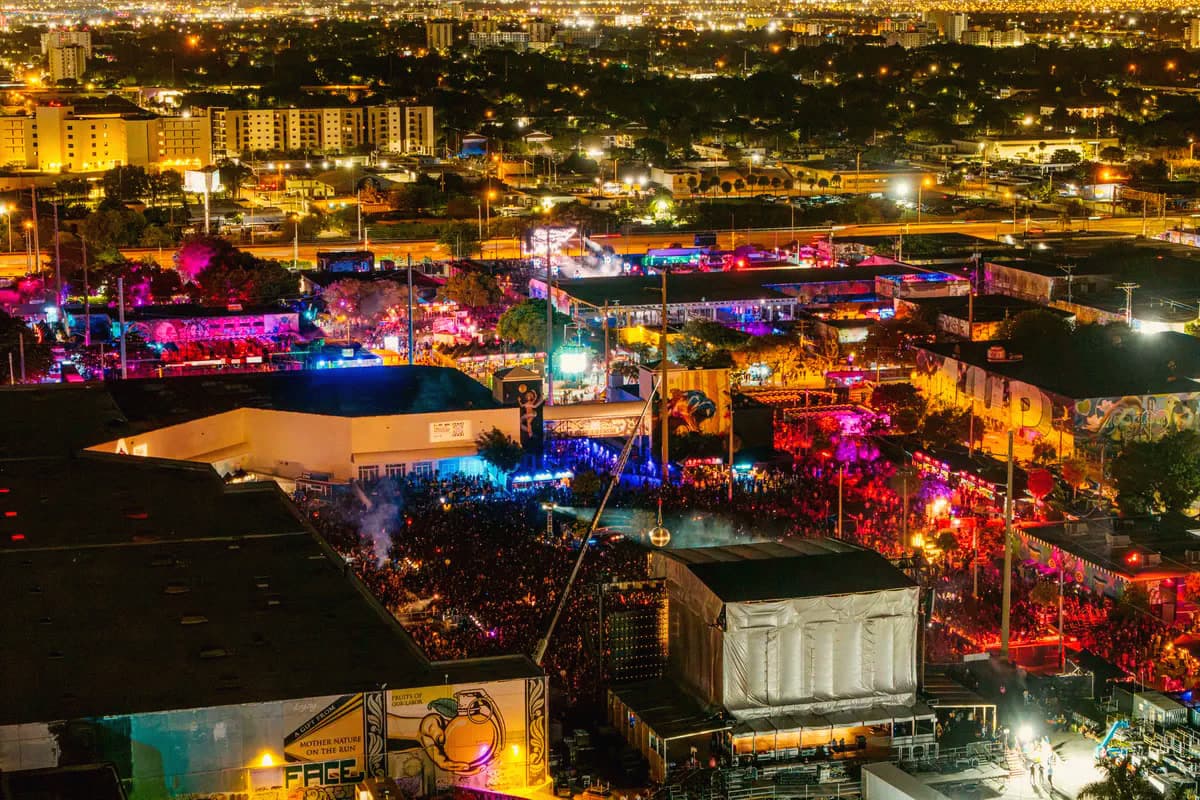
Ken Griffin does not DJ, does not promote, and has never thrown a party at Mana Wynwood. He just bought it anyway, for $1.1 billion, and he is not keeping it as a venue.
What exactly did Ken Griffin buy?
The Citadel founder closed an all-cash deal on September 29 for roughly 30 acres at 318 NW 23rd Street in Miami's Wynwood neighborhood, the site known to the dance-music world as Mana Wynwood. Per The Real Deal, it is the largest land assemblage transaction in Florida real estate history. The package goes well beyond the main convention and events complex: Griffin also picked up the adjacent Wynwood Marketplace and the historic RC Cola Plant, a mid-century Royal Crown Cola bottling plant turned underground events space that has hosted Mochakk, Todd Terry, SOPHIE and Azealia Banks.
The land is not staying a venue by design. Griffin is funnelling $2 billion of a $3 billion pledge to Carnegie Mellon University into a new 35-acre CMU Miami campus on the site, expected to enrol around 3,500 students. Construction starts next year, with the university targeting its first intake by 2028. The remaining $1 billion of the pledge goes to Carnegie Mellon's Pittsburgh campus.
So what happens to III Points?
Nothing, for now. III Points runs exactly as scheduled at Mana Wynwood on October 16-17, 2026, with a lineup that includes Four Tet, Underworld, Charlotte de Witte, Honey Dijon, Floating Points and Flying Lotus across more than a dozen stages. Moishe Mana, who sold the complex to Griffin, has said the events space will keep operating normally for at least one more year, which also covers the string of Miami Music Week parties the site hosts every March.
Beyond that one-year window, there is no public plan. III Points has not issued any statement on what the sale means for its future at the site, and Griffin's side has said nothing about the RC Cola Plant's fate inside a university master plan. Construction on the campus is slated to begin next year, which puts a hard, already-public date on how long the current footprint can last.
Why does a hedge-fund guy buying a Miami lot matter to house music?
Because it is the same story the European scene has been living through with KKR and Superstruct buying up festivals and clubs, just told from the real-estate side instead of the promoter side. The money that ends up owning a dancefloor's address is rarely music money, and when it isn't, the venue survives for exactly as long as it serves whatever that money actually wants. A university campus is a perfectly legitimate use of 30 acres in a gentrifying Miami neighborhood. It was never designed around a soundsystem.
Why it matters
Mana Wynwood was never just a parking lot with a stage on it: it is the address most identified with Miami's wider electronic scene outside of Ultra, the room III Points and years of Miami Music Week parties were built around. Its sale to a Carnegie Mellon benefactor shows that identification counted for nothing in the deal itself, and that the clock on the room's life as a venue is now set by a university's construction schedule, not by the festival's calendar.
What we think
A confirmed year of normal operations is not the same as a future. It is a countdown with a published end date, dressed up as reassurance. III Points staying quiet is the smart short-term move, you don't want to spook ticket buyers two weeks out, but silence this long into a billion-dollar sale usually means there isn't a plan B yet, not that there's a good one being saved for later.