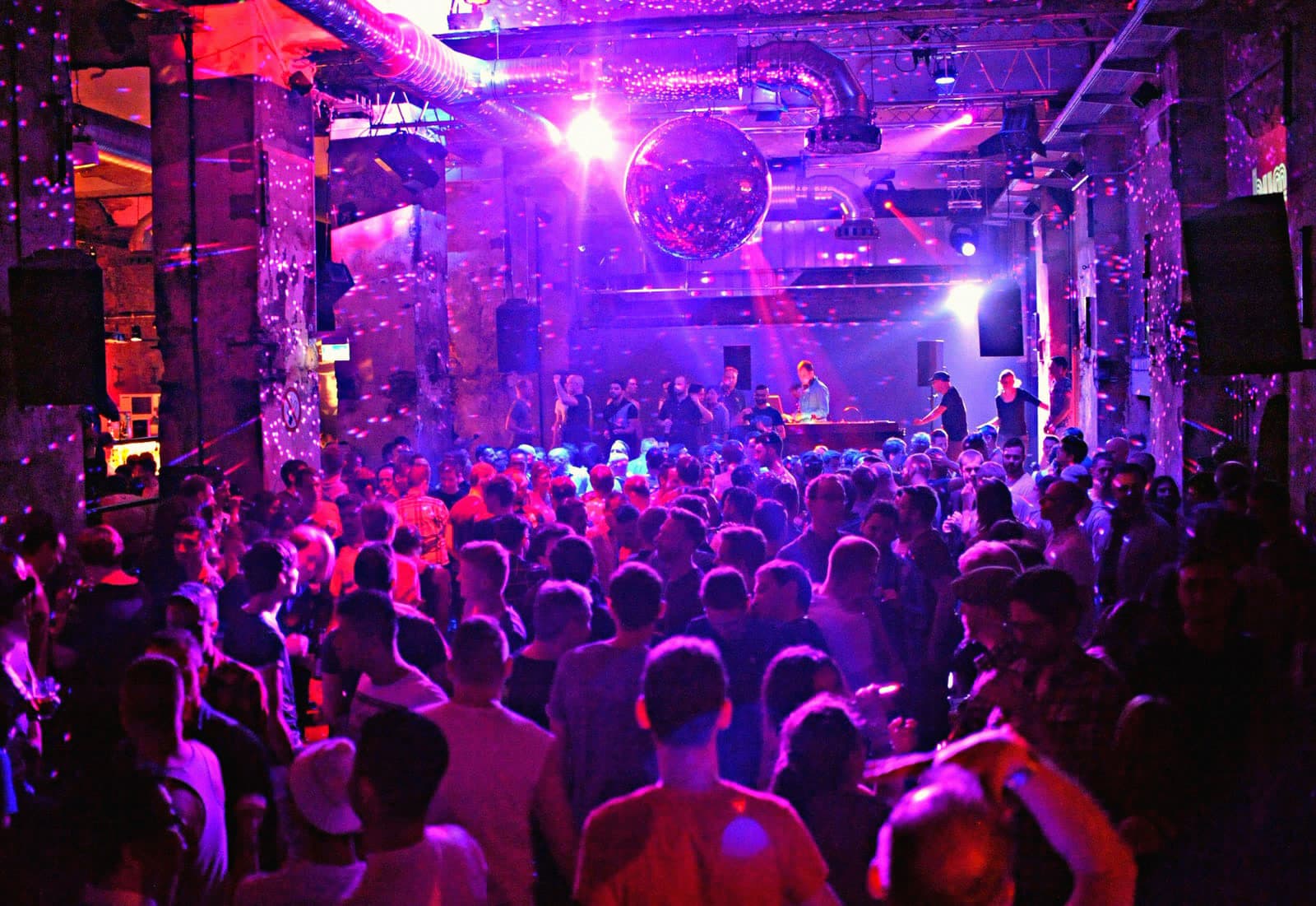
What actually happened in Lucerne?
On 6 August 2026, the Bezirksgericht Luzern opened bankruptcy proceedings against Dein Ding AG, the company behind three of the city's best-known nightlife spots: nightclub Klub Kegelbahn, bar Kaffee Kind and pizzeria Disco Pizza. Founder Raphael Märki isn't walking away. According to Resident Advisor and Swiss outlet zentralplus, he's setting up two new holding companies specifically to try to carve out and preserve whichever parts of the business can survive, and to keep as many jobs as possible in the process.
The three venues aren't facing equal odds. Disco Pizza, per zentralplus, is trading well and is expected to keep going regardless of what happens to the rest of the group. Kaffee Kind has a plausible path too: current staff are reportedly in a position to take it over and run it independently. Klub Kegelbahn, the actual nightclub and the part of the business most exposed to the economics of clubbing rather than food and drink, is the one nobody is making promises about. Groove's reporting from 20 August confirms it as the venue most at risk of a permanent close.
Why is a Dresden techno institution in the same position?
Nearly 500 kilometres north, Sektor Evolution is having a version of the same conversation. The club has run since 2009 on an industrial site in northern Dresden and is widely regarded as one of the clubs that defined East Germany's techno scene after reunification. It has already survived one existential threat: a major fire tore through the surrounding property in 2022, and the club kept operating anyway.
What it hasn't survived, its own operators now say, is a slower and less dramatic problem: people simply aren't showing up the way they used to. Sektor Evolution has publicly confirmed rumors that had circulated for weeks about an imminent closure, citing falling attendance as the cause. Crucially, the operators didn't frame this as a fixable cash-flow gap. Their own words, per Groove, were that money alone won't fix it. That's a club telling its own scene the problem is structural, not a single bad month or a missing sponsor.
Is this one crisis or two unlucky venues?
Neither case has a landlord to blame, a private-equity buyer to boycott, or a bad actor to name. That's precisely what makes them worth reading together. A Swiss hospitality group's most viable line of business turns out to be pizza, not the club that built its name. A Dresden techno institution with real historical weight and a fire-survival story can't translate a strong reputation into enough bodies on the floor to cover its costs. Both are playing out in the same post-pandemic DACH club economy, where rising costs, changed spending habits and thinner margins have been squeezing venues regardless of how good the booking or how loyal the following.
Sektor Evolution didn't dress it up:
Money alone won't fix it.
That's the same territory TTH has tracked in Berlin, where dancefloors stay full while clubs still go under. Lucerne and Dresden are two more data points in a crisis that keeps producing casualties without ever producing a villain.