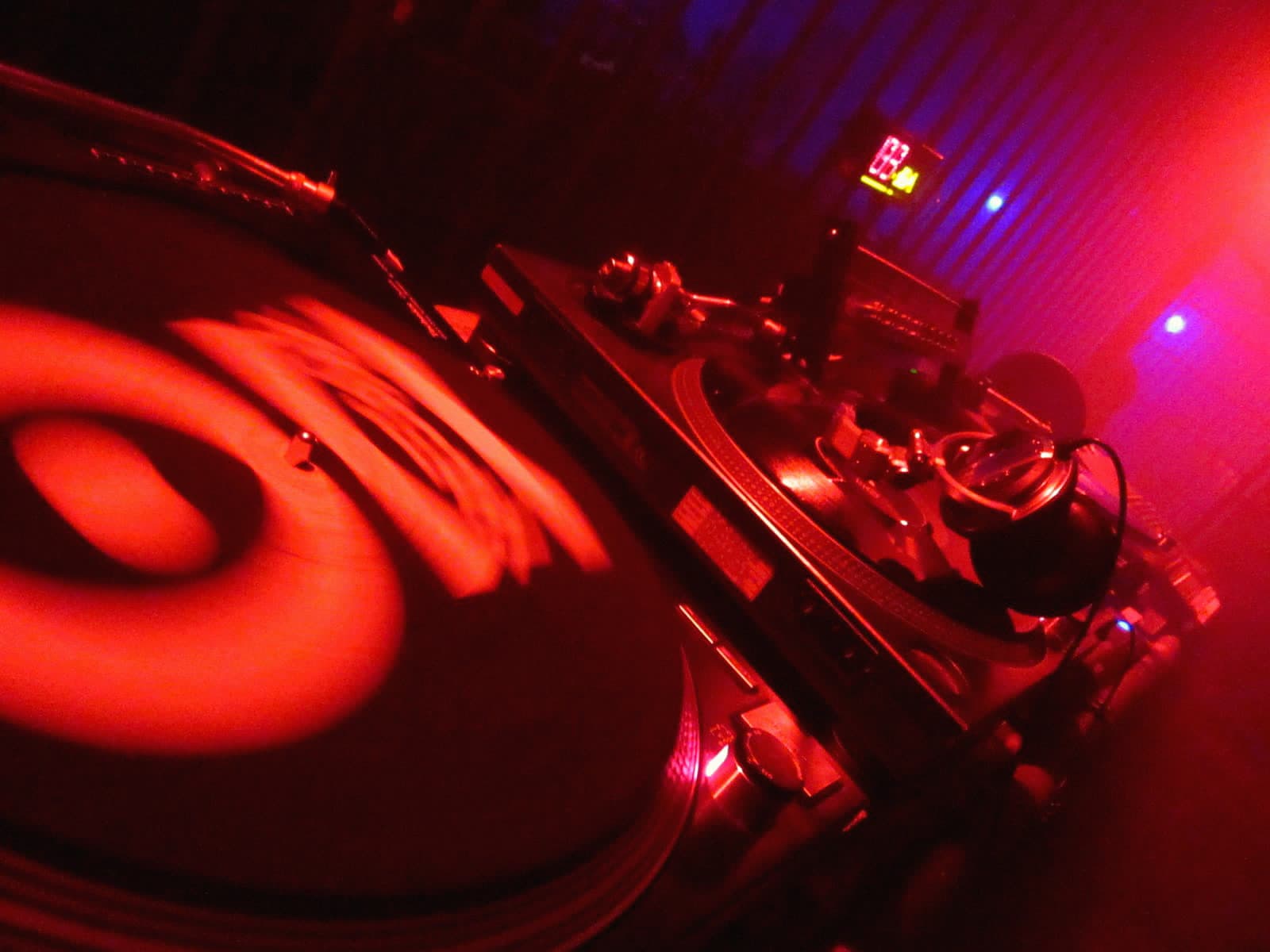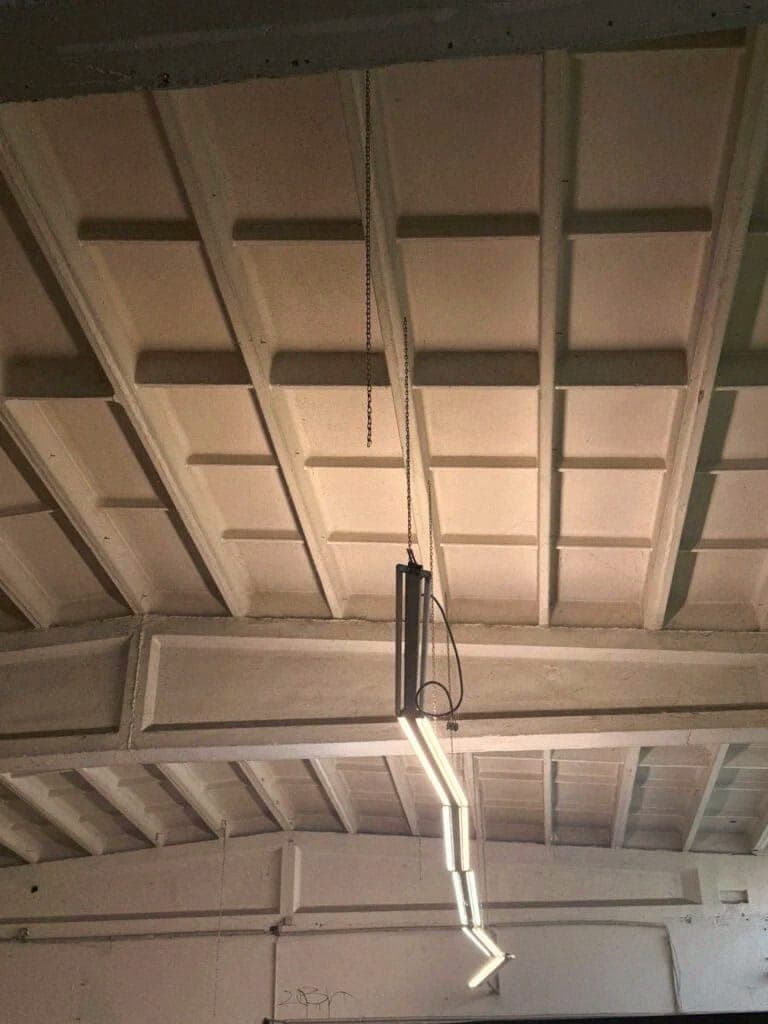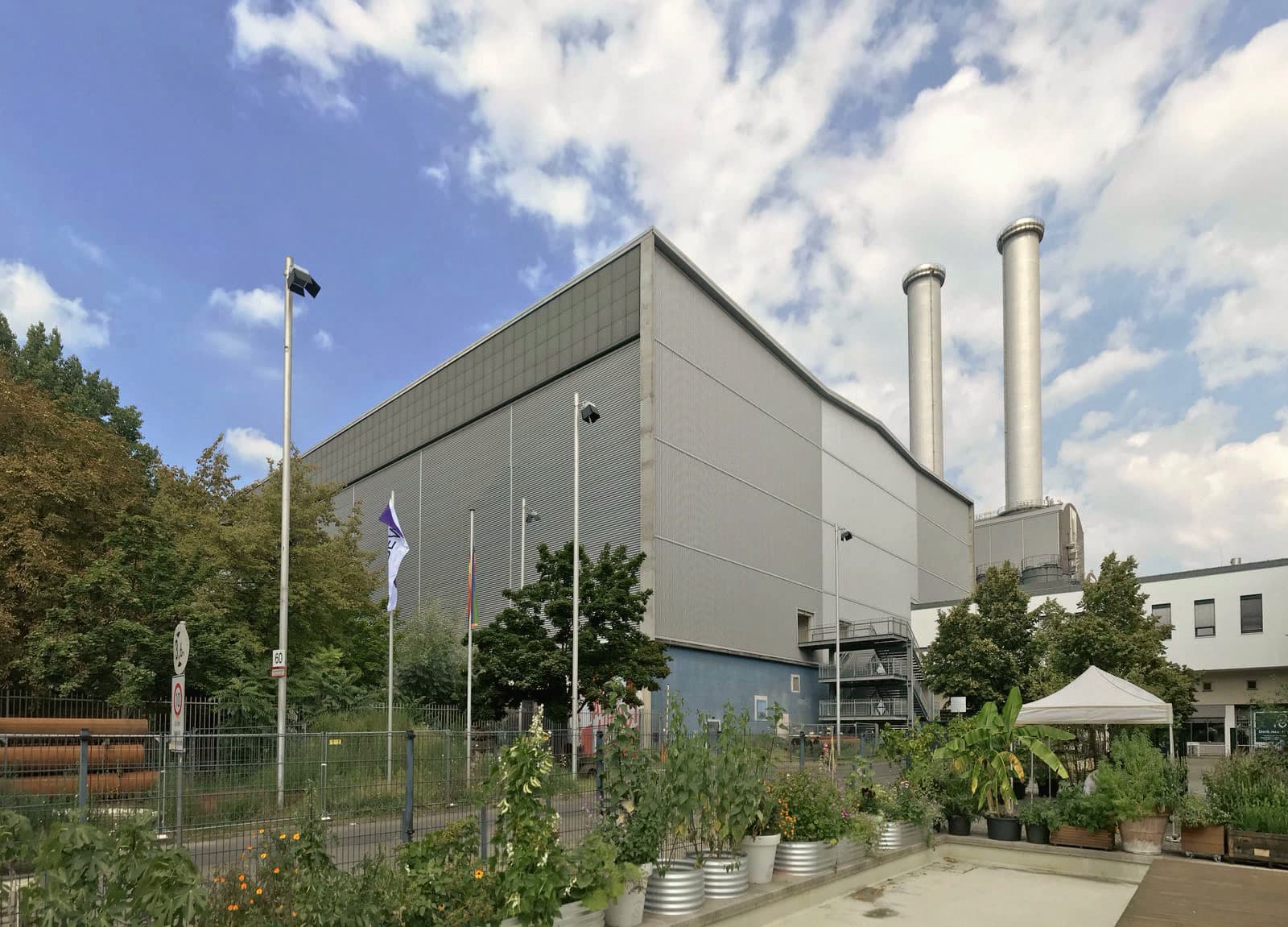
Kraftwerk Berlin is not just another warehouse with a soundsystem. It is the former East Berlin power station that has housed Tresor since 2007 and hosted Berlin Atonal every year since 2013, the closest thing techno has to a cathedral. On November 11, 2026, its Turbine Hall became a showroom for a weapons company.
Helsing, the German defence-tech firm, used the space to launch Clarity, an AI-powered military intelligence and targeting platform. Reporting from Resident Advisor describes the staging: armoured vehicles parked inside the hall, bomb-sniffing dogs on the floor, tank projections across the walls that normally carry strobes and smoke. Helsing's investor and co-chairman is Daniel Ek, the Spotify co-founder whose streaming company has spent two decades being accused of starving musicians while enriching itself. Now his defence company was renting the room where some of those same musicians built their careers.
Why did Kraftwerk say yes in the first place?
Kraftwerk Berlin rents out its Turbine Hall for corporate and cultural events year round, which is partly how it funds the club and the festival underneath it. That business model collided head-on with the venue's identity the moment a weapons launch filled the hall with military hardware instead of a lineup. The backlash was immediate once word spread, and on November 18 Kraftwerk's head of sales Tjabo Reuter issued a direct apology: "I should've declined the booking. The event turned Kraftwerk into a platform for the promotion of weapons and military AI."
Who else is drawing a line?
Berlin Atonal didn't soften it. The festival, which has treated Kraftwerk's cavernous hall as its own stage for over a decade, said "we cannot accept being associated with a company that builds weapons." Tresor and Tresor Records, the techno institution that has operated out of the building since 2007 and traces its roots to 1991, said the booking "runs against everything Tresor has stood for." A Berlin DJ performing as Opium Hum summed up the floor-level reaction on X, as reported by Novara Media: "Call me conservative, but I don't think weapon companies should launch their products in techno clubs in Berlin."
"The event turned Kraftwerk into a platform for the promotion of weapons and military AI."
What happens now?
Nobody involved has announced a policy change, a refund, or a ban on future defence-sector bookings. What's on record so far is an apology from Kraftwerk's own sales lead and public condemnation from the two institutions whose entire identity is tied to that building. Whether Kraftwerk tightens who it rents the Turbine Hall to next, or treats this as a one-off PR problem, is the open question the scene is now watching.
Why it matters
Techno has always sold itself as the music of the marginalized, built in Detroit and Berlin by people with no patience for institutional power. A weapons company staging armoured vehicles inside its most storied room, backed by the man who runs Spotify, is the scene's self-image colliding with the economics of running a 70,000-cubic-metre venue that needs rental income to survive.
What we think
The apology is the right call, but it came after the backlash, not before the booking. Kraftwerk takes corporate money constantly; the problem here wasn't commerce, it was commerce from a company whose product is designed to kill people, staged with the actual hardware. Tresor and Atonal were right to say so loudly and immediately.