What's actually replacing the VIP table?
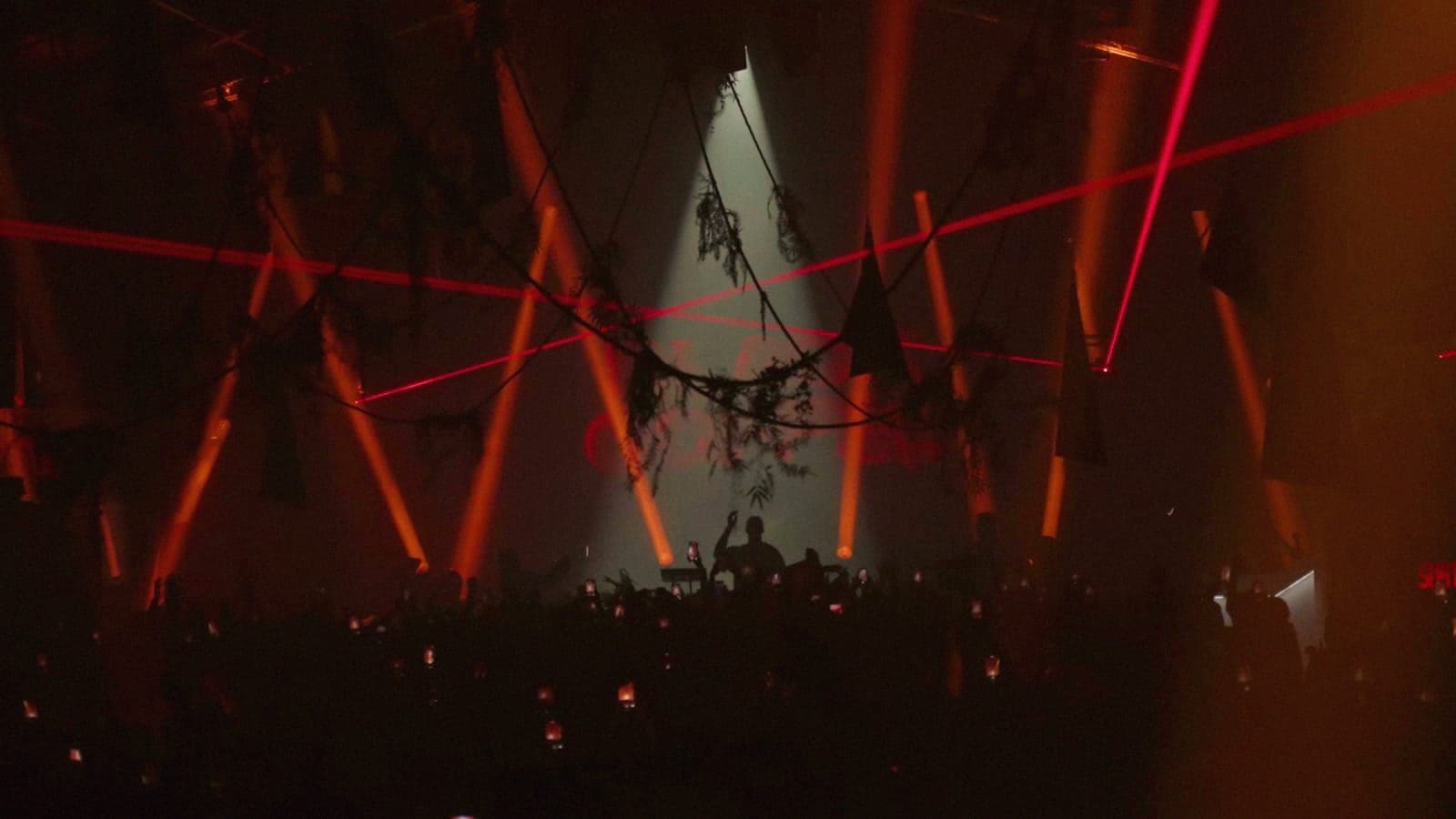
Lagos nightlife used to run on a simple ledger: pay for a table, buy bottles, get seen. That model is losing to the dancefloor. Of the 107 parties on the city's December 2026 nightlife calendar, 38 are DJ-led raves and only 37 are built around a singer headlining a concert, according to More Branches. DJ Aniko's Group Therapy, along with Klub Aniko and Dance Èkó, have each sold out without a vocalist on the bill at all.
Group Therapy's answer to the VIP table is blunt: there isn't one. The rave runs standing-room only, with no bottle-service requirement and no roped-off section for anyone willing to spend more. Tickets span a wide range, from as little as ₦1,000 to ₦70,000 depending on the night, which lets the same brand serve a student crowd one week and a premium one the next without ever reintroducing the table.
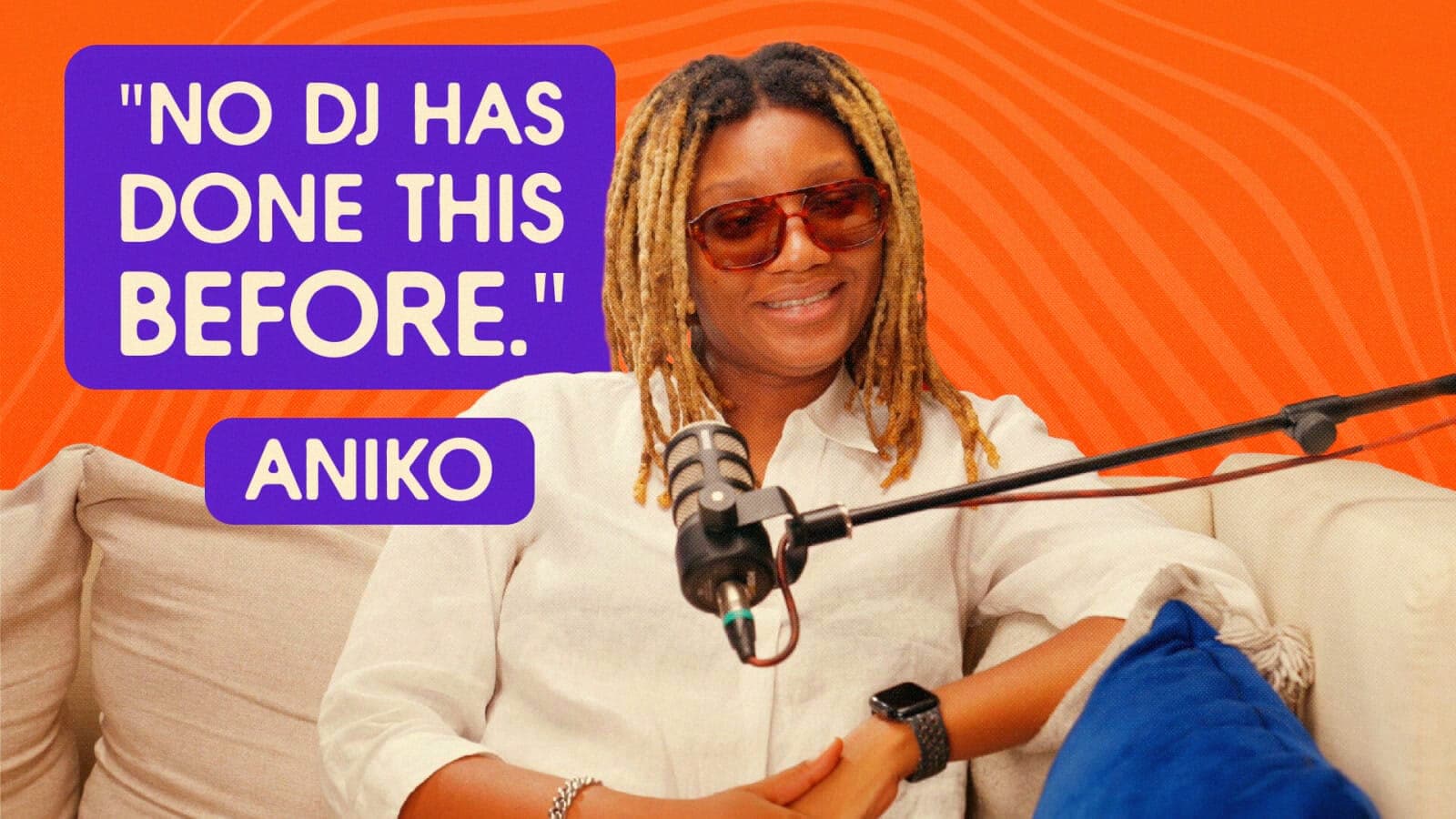
"At raves, the dance floor is present. You go to a usual Lagos party, and there is no dance floor.", DJ Aniko
That quote, given to the Associated Press in March, is the whole pitch. Nigeria's traditional club circuit sells proximity to money: who's sitting where, who's buying what. The rave sells the floor itself.
Why is a cardiologist running Lagos's hottest rave?
DJ Aniko practices medicine and built Group Therapy into a business she controls outright: the venue, the lineup and the pricing are hers to set, not a club owner's. That control is the real story behind "DJs as the new superstars." A singer headlining a Lagos concert is booked by someone else's promotion machine. A DJ running her own rave keeps the margin, the brand and the calendar.
It is working financially as much as culturally. ₦21,000 (about $15) gets a raver into Group Therapy with none of the pressure to spend further once inside, a direct response to young Nigerians getting priced out of a club economy that inflation has made brutal.
Can Lagos stop importing its sound?
The rave boom runs on more than a new door policy. Lagos's scene has leaned hard on imported South African amapiano and afro house for its soundtrack for years. "OGBA," a homegrown single by Shallythechampion released in November 2025, is credited with cracking that dependency open, giving the city's DJs a local anthem built for their own floors instead of someone else's export.
Pair a Nigerian-made record with a Nigerian-run door policy and the two trends reinforce each other: the city's DJs aren't just rejecting the old club model, they're building the music that model never had reason to play.
Where is this spreading?
Group Therapy has already sold out a London debut at Colour Factory, and the broader rave format has reached Nairobi and Accra. For a scene that started as a cheaper, floor-first alternative to Lagos's table culture, exporting itself to three other cities is the clearest sign yet that DJs, not singers, are driving where Nigerian nightlife goes next.