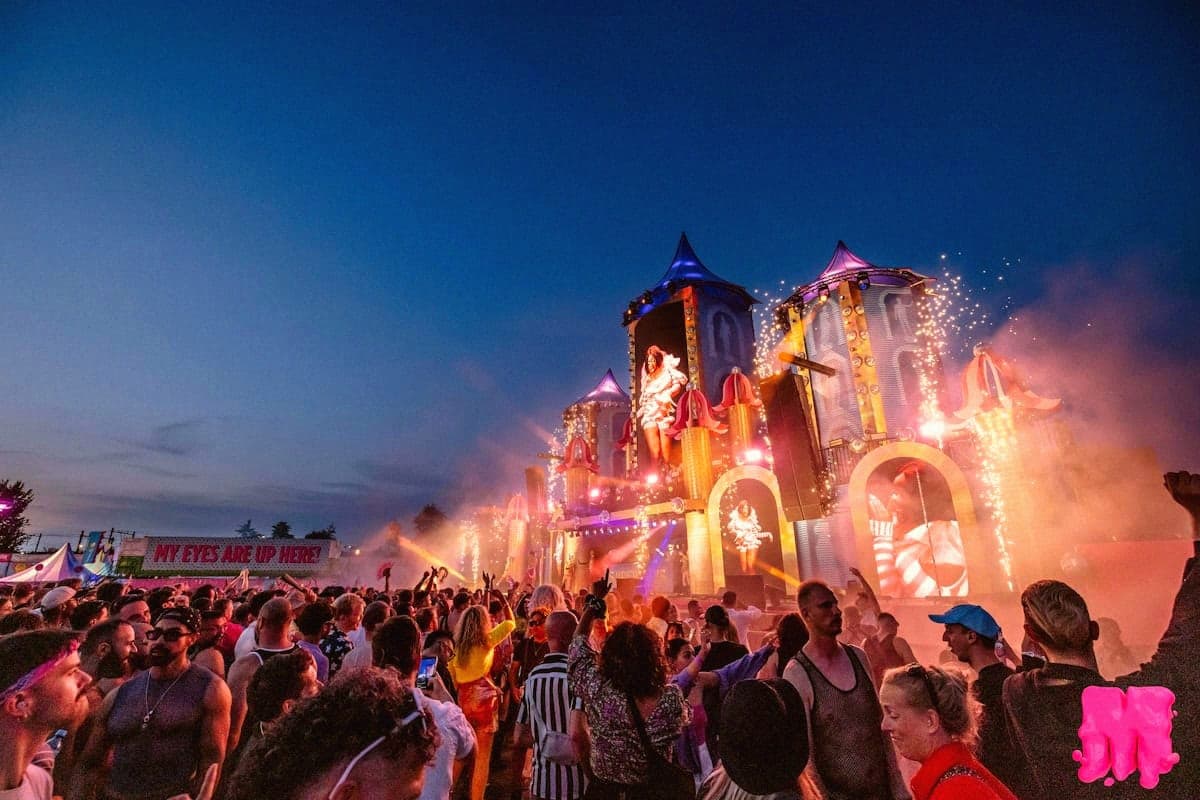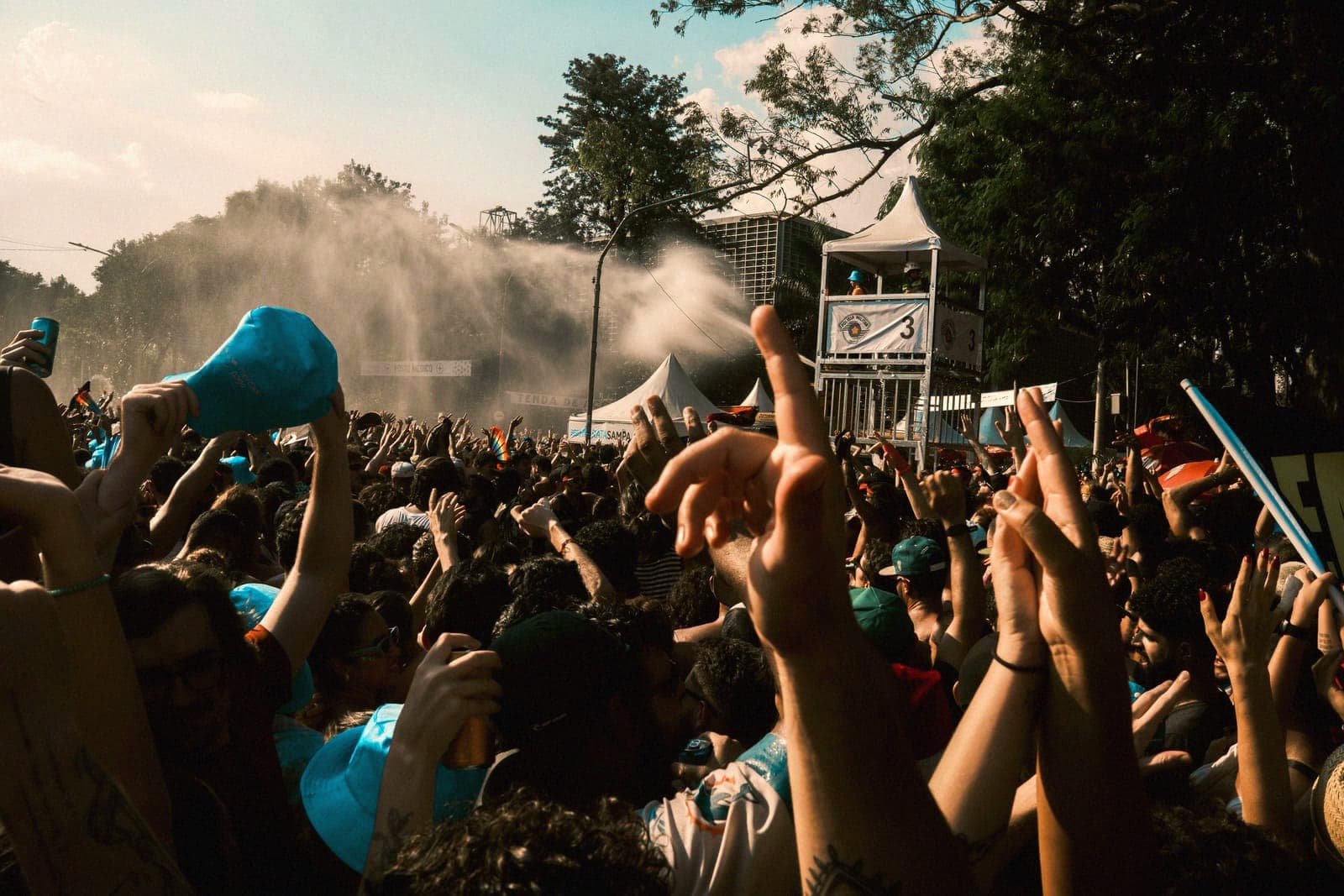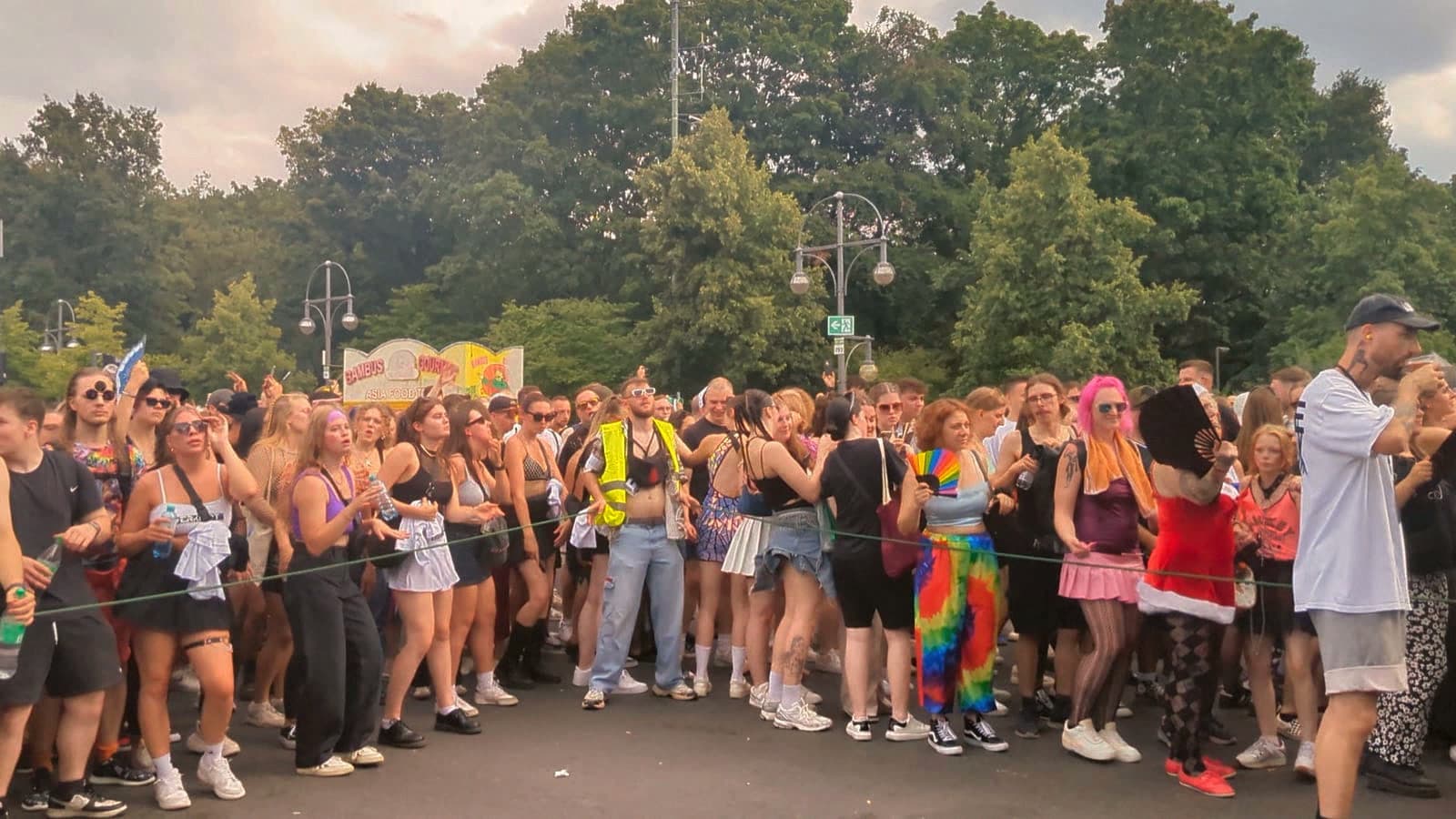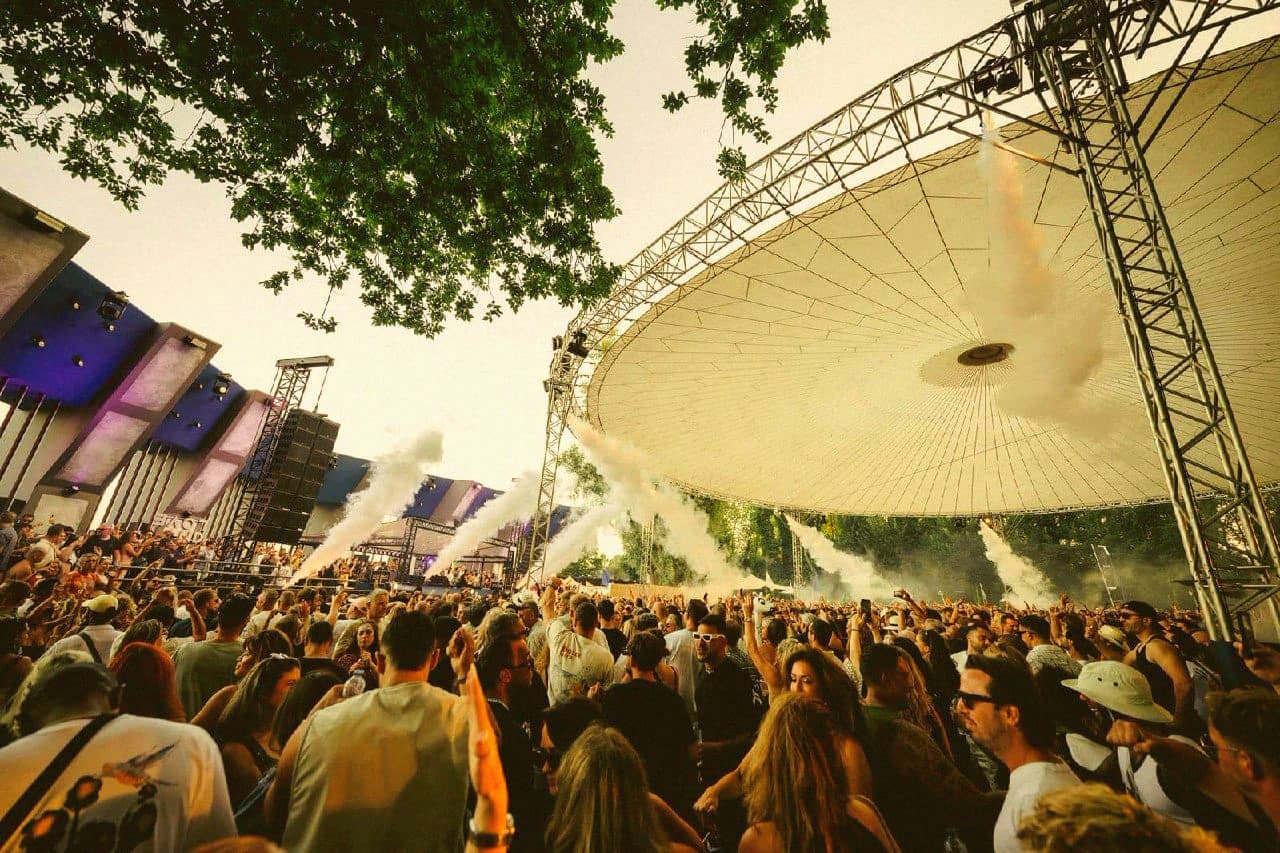
Thirty-one years is a strange number for a festival to celebrate. It is not a round anniversary, it does not come with a marketing hook, and nobody plans a big campaign around it. Which is exactly why Loveland Festival's 31st edition, held August 8 and 9, 2026 at Sloterpark in Amsterdam, says more about the event than a flashy 30th ever could. Getting to 31 in Amsterdam, a city that has spent the last decade squeezing outdoor dance events with tighter noise curfews and shrinking permit windows, is its own achievement.
What actually anchored the bill?
Strip away the marquee names and the 2026 lineup reads like a techno and tech house purist's weekend. Rødhåd and Robert Hood, two of the genre's most uncompromising bookings, played alongside Bart Skils, Ben Klock and Chris Liebing on the harder stages. The house side leaned just as credible: Denis Sulta, Kölsch, Franky Rizardo, Jamie Jones and Joris Voorn carried a program built for dancers who actually know the difference between a tech house set and a festival-main-stage EDM set.
Fatboy Slim, Eric Prydz and Sven Väth were there too, and their names are what get Loveland written up in mainstream listings. But across 72 artists and two days, they were three names in a program built primarily around the genre Loveland has represented since 1995: house and techno, not big-room electronic dance music.
Loveland's real headline act every year is the fact that it still happens at all.
Why does surviving 31 years in Amsterdam actually matter?
Amsterdam is not an easy city to run an outdoor rave in. Park events face capacity ceilings, strict curfews and a permitting process that has forced multiple long-running Dutch parties to relocate or fold outright over the past decade. A festival that keeps its home venue, keeps its capacity near 30,000 and keeps booking artists this far underground for three straight decades is not coasting on nostalgia. It is proof that a promoter can keep both the city and the scene on side at the same time, something plenty of newer outdoor events in Western Europe have failed to manage.
What comes next for the format?
Loveland's model, a lakeside park, a two-day cap, a lineup split between crossover draws and genuinely underground bookings, is the template a lot of European outdoor festivals are now chasing as licensing tightens everywhere. Whether it can keep threading that needle past year 31 is the actual story here, not the anniversary number itself.