Why does a dance festival get to open WorldPride week?
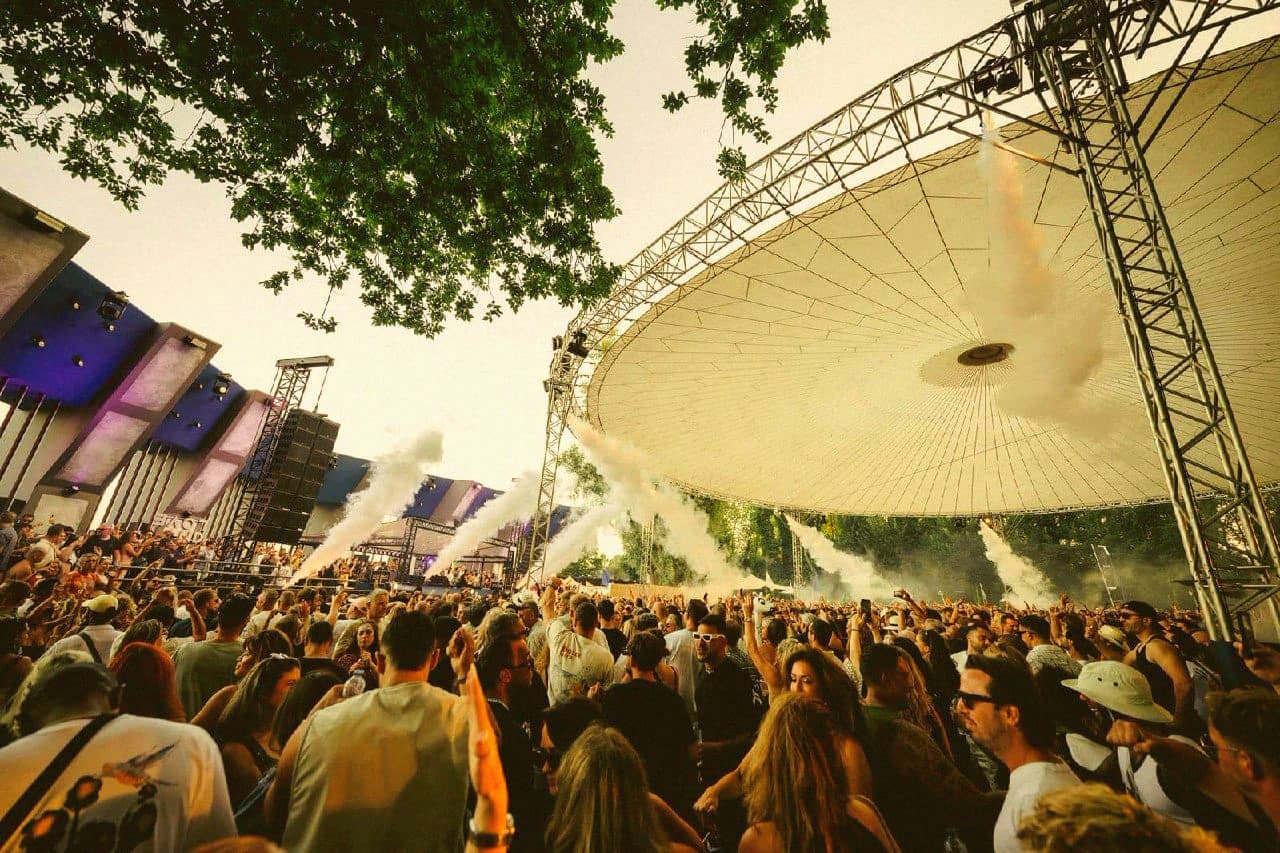
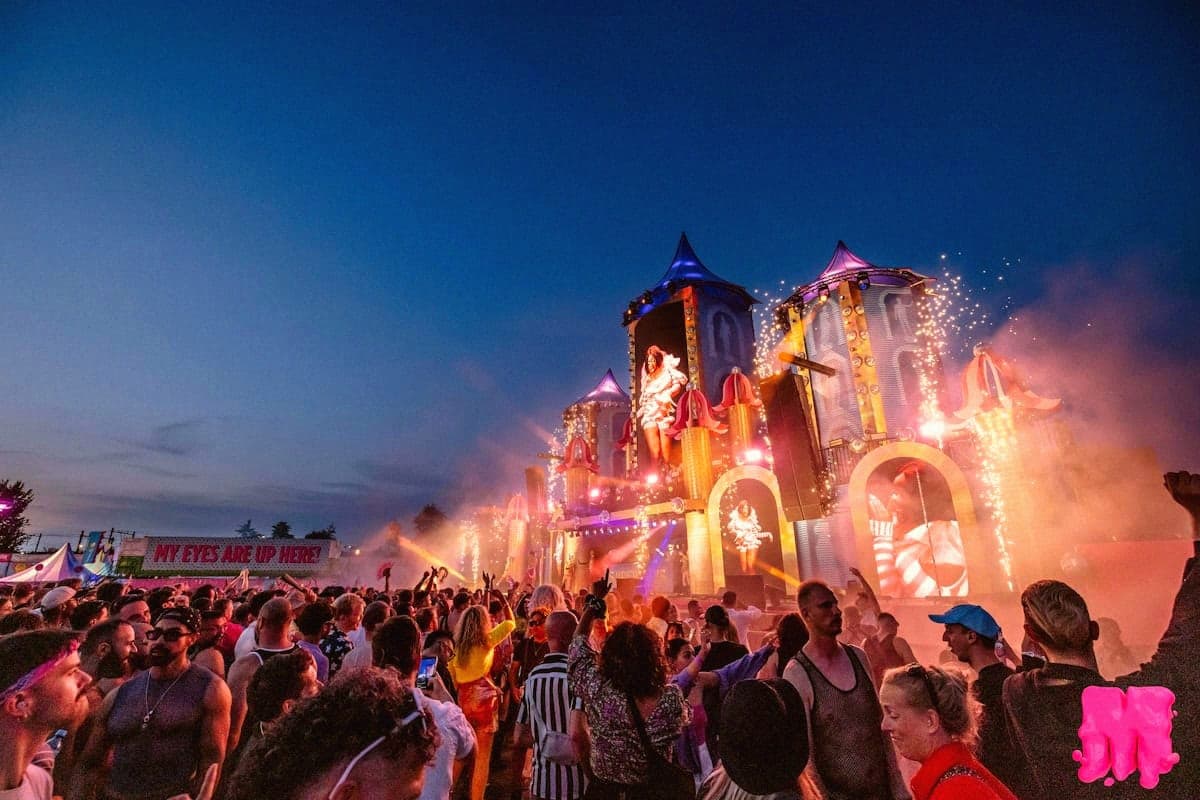
Amsterdam spends 2026 hosting both EuroPride and WorldPride, and the image most people will remember is the parade on the canals. But Milkshake Festival, which fills Westerpark's Westergasfabriek grounds on July 25 and 26, has quietly opened the city's Pride week for years before the WorldPride bid even existed. That timing is not an accident of scheduling. It is the point: Amsterdam's queer community built its own two-day, nine-stage, thousand-performer party long before the international federation showed up, and WorldPride is arriving on top of infrastructure that already worked.
What's actually happening on the nine stages?
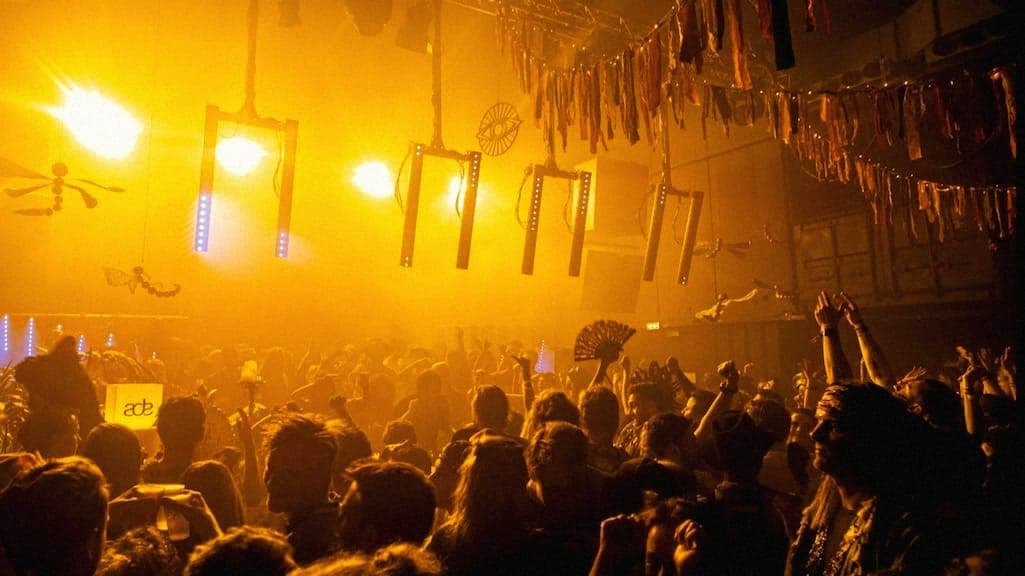
Strip away the Pride branding and Milkshake is a house, techno and disco festival first. Each of the nine stages a day is run by a different promoter or collective with its own sound and its own decor, and the lineup runs electronic, house, disco, pop, techno, R&B and dancehall side by side rather than segregating "the gay stage" from "the main stage." More than 1,000 performers work across the two days, drag acts and voguing shows woven between DJ sets rather than parked on a side stage. There is a full voguing catwalk and competition open to walk, not just watch. Kilopatrah Jones is the first name confirmed for 2026; past bills have carried Honey Dijon, The Black Madonna and Erol Alkan, three names who built careers on exactly the crossover Milkshake is staging.
Milkshake shows that entertainment, music choice and choice of clothing have nothing to do with status, gender or sexuality.
Why put a voguing catwalk on a house lineup?
Because the two scenes share a birth certificate. Voguing came out of Harlem's Black and Latino ballroom houses in the late 1970s and 80s, the same years and the same underground club circuit that was turning disco into house in Chicago and New York. Frankie Knuckles, Larry Levan and the DJs who built house music were playing to rooms that ballroom culture also called home; Madonna's 1990 "Vogue" just exported a Black and Latino queer dance form to the mainstream a decade after it existed. A festival stage built around house, techno and a voguing catwalk isn't mixing two unrelated things for Pride season. It's putting the music back next to the culture that helped invent it.