Why does it matter that one synth can be both a module and a gig instrument?
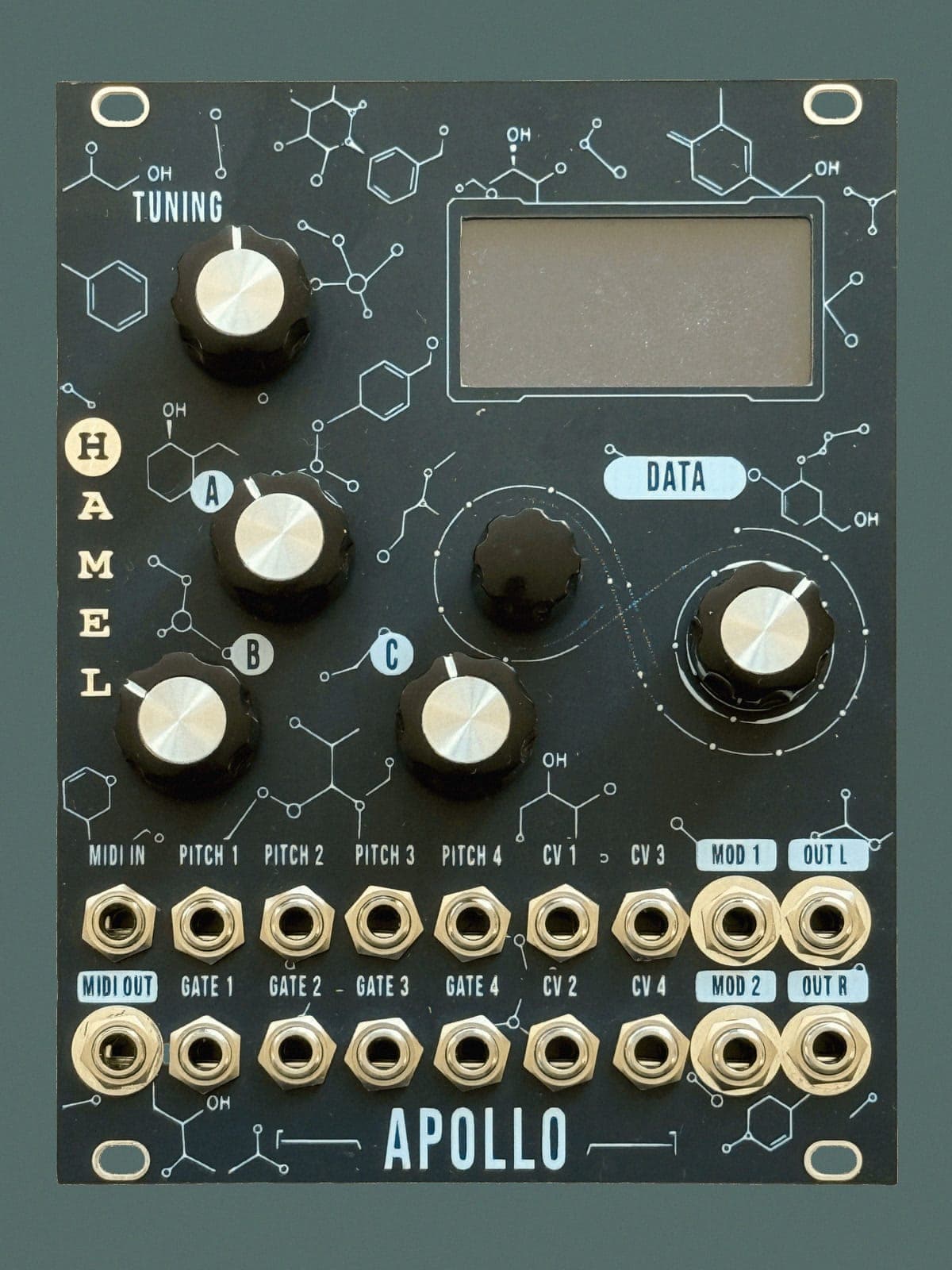
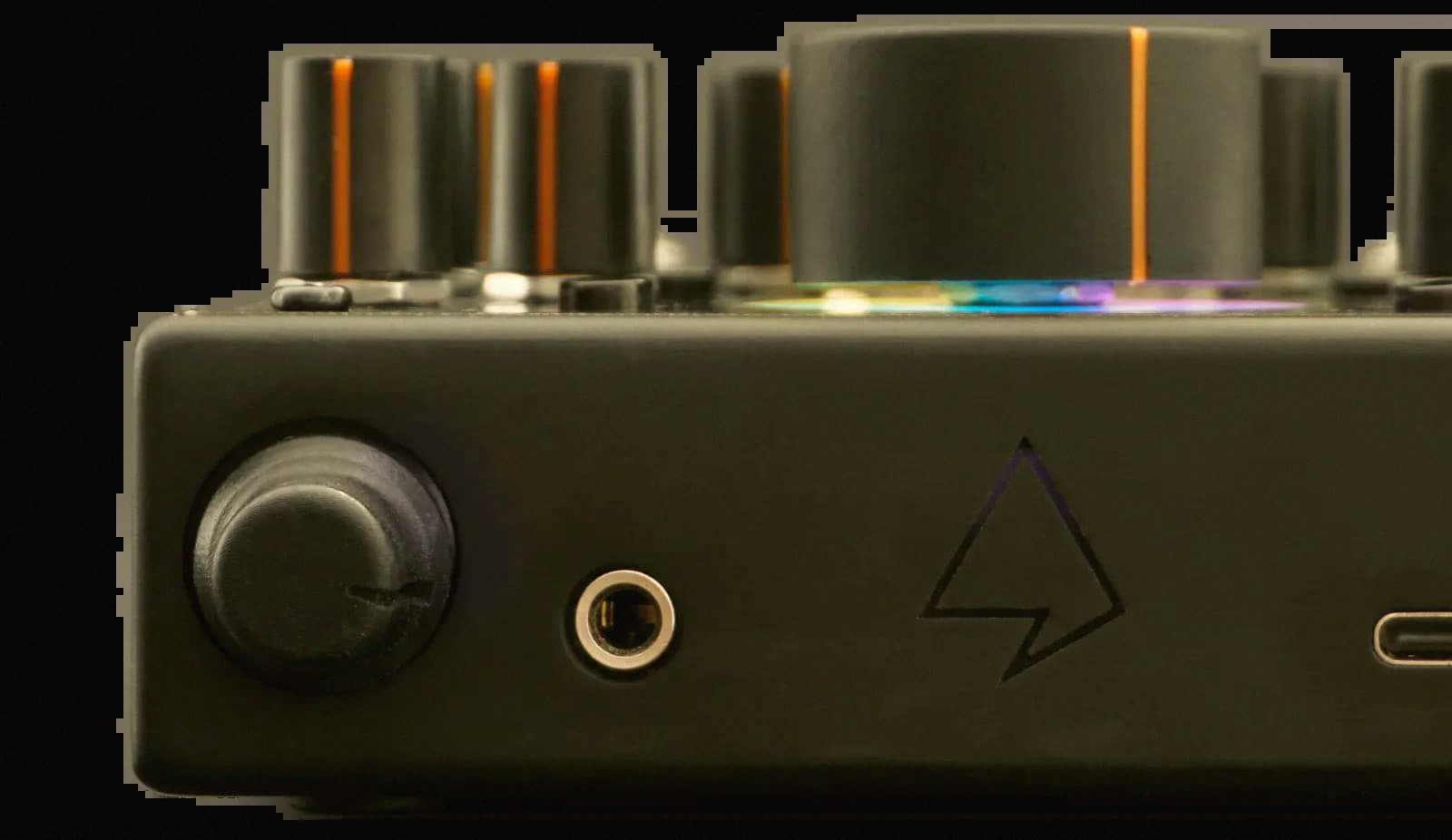
Eurorack and standalone hardware have always asked you to pick a lane. Build a modular voice and it lives in the case, tethered to a power supply and whatever patch points you brought with you. Buy a standalone synth and it is a fixed box with its own sound, no CV, no patching into the rest of your rack. Magerit's Laniakea Pro refuses that choice. The same synthesis engine ships as a 20HP Eurorack module for 379 euros, or as a standalone unit for 469 euros that drops into an optional battery enclosure and keeps running for more than 12 hours with no cable in sight.
That is the real unlock here. A producer who built a modular rig around this voice can also unclip it, strap on the battery pack, and take the exact same patches to a park, a soundcheck or a DJ booth. It is one brain living in two bodies, not a cut-down standalone version of a modular idea.
What is actually happening inside the five engines?
Laniakea Pro is a full redesign of the original Laniakea, and the engine count is where that shows. Underneath the eight voices of polyphony sit five genuinely different synthesis methods: wavetable, virtual analog paired with chiptune character, 2-operator FM, Magerit's own Infinite Keys engine, and Karplus-Strong string modeling for plucked and resonant textures. That is digital synthesis, subtractive synthesis, FM and physical modeling all living under one architecture, each shaped further by five sound-shaping algorithms and three reverb types before it hits the output.
Five engines, one voice architecture, no need to choose between modular depth and a synth you can actually carry.
For a producer working in deep or tech house textures, that range matters in practice: a Karplus-Strong pluck for a hook, a wavetable pad underneath it, an FM bass on a separate voice, all coming out of the same eight-voice unit instead of four different boxes.
What does the companion app change?
MIDI over USB puts Laniakea Pro straight into any DAW or controller setup without extra interfacing. The free companion app goes further than preset browsing: it includes microtonal scale editing, letting producers working outside standard 12-tone tuning, a growing interest in parts of the global house and afro house scene, build and load their own scales rather than being locked to equal temperament. Preset management across five synthesis engines is exactly the kind of housekeeping that needs a proper app rather than menu-diving on a small screen, and Magerit built one instead of skipping it.