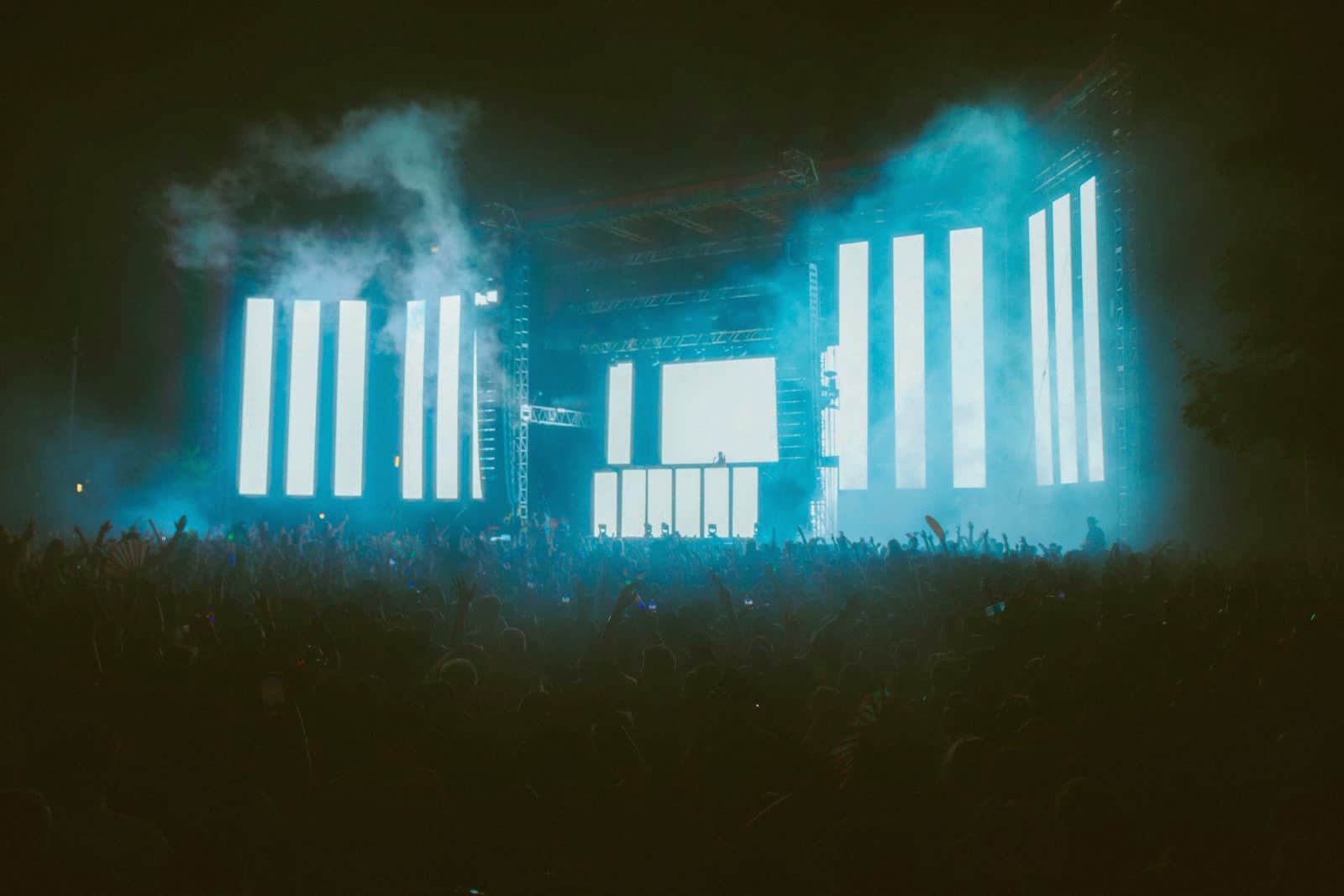
Four hundred people were dancing in a room that was never built, inspected or licensed to hold a party. That is the fact sitting underneath the police report out of Misterbianco, a town just outside Catania, Sicily: officers from the Questura's administrative squad walked into what was rented out as an ordinary event hall and found a nightclub running inside it, DJ booth, strobes, an improvised dance floor and a crowd nobody had cleared for the room's actual safety.
No technical commission had signed off on the space as fit for public entertainment. No one had verified the fire exits. No inspection had happened at all. The bar inside was pouring drinks without the permits that require it. Officers evacuated the room without injury and shut the party down on the spot late on November 14 into the 15th.
Who pays for the party that was never supposed to exist?
The owner of the hall and the organizers of the night were reported to judicial authorities for crimes against public safety ('reati contro l'incolumita pubblica'), the kind of charge that treats an unlicensed room packed with 400 people as a structural risk, not a paperwork gap. The fines stacked up fast: 5,000 euros for the missing entertainment-venue certification, 3,000 for the sanitary permit violation, 1,666 each for an unlicensed security hire and for the organizer. A second venue swept up the same week, a licensed club in central Catania caught with over 250 people against a legal cap of 140 and serving alcohol past hours, added another 6,666 euros, pushing the week's total past 16,000.
The hall was never certified for public entertainment. Nobody checked the exits. Four hundred people were inside anyway.
Is the underground worth it without an exit plan?
This is the part the fine sheet does not settle. An unlicensed room with a DJ and a crowd is, for a lot of people, exactly what makes a scene feel alive: no promoter deck, no corporate sponsor, no velvet rope, just a space somebody turned into a party. Misterbianco is a small satellite town with no real club culture of its own, which is precisely why a hall-turned-disco could pull 400 people with zero oversight and nobody asking who checked the wiring or where the second exit was. The DIY instinct that built house music's actual history, warehouses, basements, borrowed rooms, doesn't come with a safety net by default. Somebody has to build one, and in Misterbianco nobody did.
Why it matters
Unlicensed nightlife is not a niche problem in Sicily this autumn; it is a repeat enforcement target, and the same week's sweep also caught a fully licensed venue over capacity in Catania's city center, meaning the risk is not confined to informal spaces. For promoters anywhere running a party in a space that was not built for one, this is the gap between the scene's appetite and the paperwork nobody wants to deal with, and it is the gap that gets people hurt when there genuinely is no exit.
What we think
The instinct to turn any room into a dance floor is not the problem, it is half of what makes underground culture underground. The problem is that 400 people trusted a space that had never been checked for the one thing that matters if something goes wrong. A party with no fire exit is not edgy, it is a liability waiting for a bad night, and pretending otherwise romanticizes a corner that promoters cut to save a few thousand euros.