What actually happened this week?
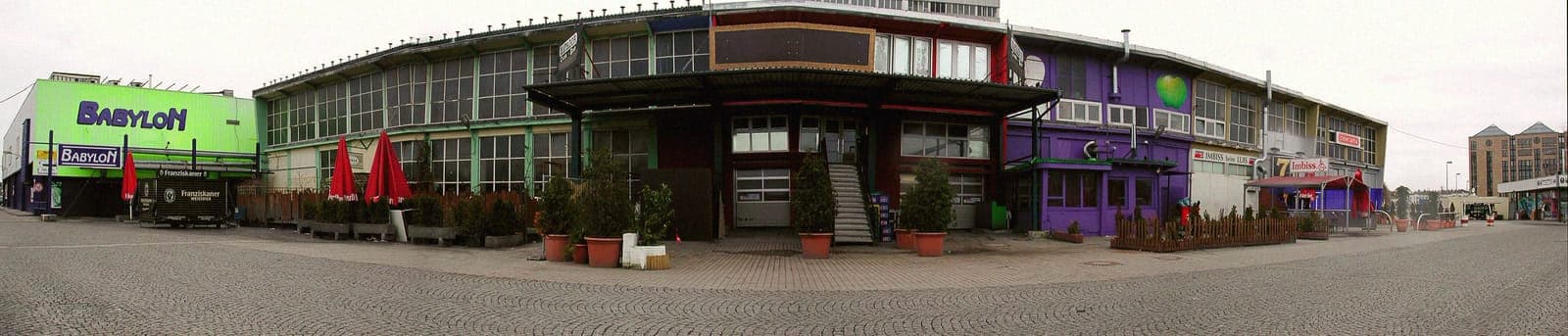
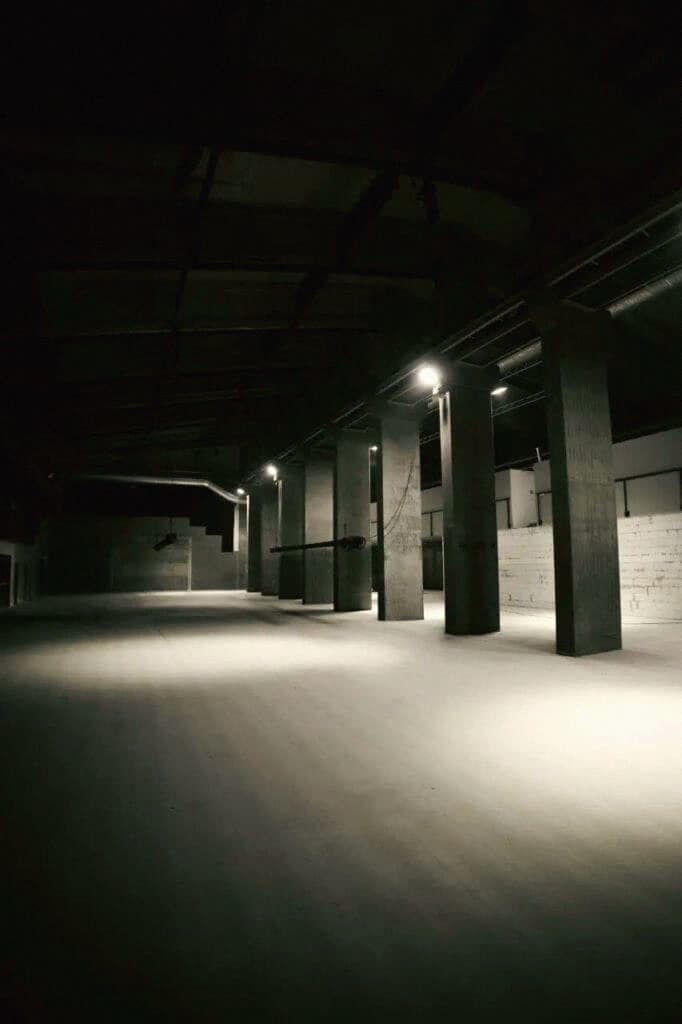
Munich's DNA Club closed its Werksviertel venue at the end of September 2026, the city's second major techno closure that year. On October 19, the same operators announced a successor: Sonder, a 1,500-capacity space built into a former Pfanni potato-storage hall with 13-metre ceilings, a few steps from DNA's old address. DNA Club will stay on as the organizer behind Sonder's techno nights, while co-operator Patrick Mittermeier described the venue as a "curated space for contemporary culture" rather than a classic nightclub, with an opening targeted for the end of January 2027. The announcement should have been a clean reset. Instead, the comments under Sonder's launch post on Instagram, many of them pointing back to a Süddeutsche Zeitung report, triggered what Groove Magazin called a "shitstorm": guests, people who say they were directly affected, and local artists accused the operators of using the new name to dodge a list of unresolved claims against DNA's prior management, with one critic calling it "Name-Washing vom Feinsten." The accusations raised in that backlash include toxic power structures, physical violence, bans placed on people who criticized the club, sexual-assault cases that reportedly went unaddressed, and no professional safety or awareness concept. None of the outlets covering the statement that followed, Groove, DJ Mag Germany or the Abendzeitung München, say they can verify the specific claims.
What does DNA's response actually say?
DNA answered within roughly a day, in a statement posted to its own channels on October 21 and covered by Groove, DJ Mag Germany and the Abendzeitung on October 22 and 23. The club put one manager named in the allegations on provisional leave, pending what it describes as a transparent internal review. On the substance, DNA rejects the central charge directly:
"We reject the accusation that we looked away from incidents in the past."
The statement says DNA wants to take reports seriously and support anyone affected, but argues the allegations arrived broadly stated, without concrete evidence or details submitted to the club itself. DNA also disclosed a separate matter: a physical altercation involving a member of management outside the club's operations, now the subject of mutual criminal complaints with police. The club says it has run a Code of Conduct with The AwareMind Project and a staffed awareness contact line since it opened, and that it offered mediated talks through MoNa, Munich's official nightlife liaison office. MoNa, for its part, told the Abendzeitung that DNA only inquired about mediation and never followed up, a detail that complicates DNA's version of events. Management also said it plans legal action over what it calls sweeping insults and improper personal attacks.
Can a new name settle an old argument?
That's the actual fight here, and it's why this belongs in Techno Resistance rather than the PR pages. Sonder is billed, in the operators' own words, as a "long-planned, independent step" in musical direction, unconnected to the accusations. Critics read the timeline differently: a closure in September, a rebrand announced in October, the same team still running the room and still months from actually opening the doors. For a scene that treats safety and power dynamics as unfinished business, after years of DJs and promoters being asked to answer for exactly this kind of behavior, a new name on a flyer proves nothing, one way or the other. DNA has now set a process in motion: a suspension, a review, a mediation offer that the city's own mediator disputes was followed through on. Whether that process produces real transparency before Sonder's January opening, or just outlasts this news cycle, is the question Munich's club community is going to keep asking.