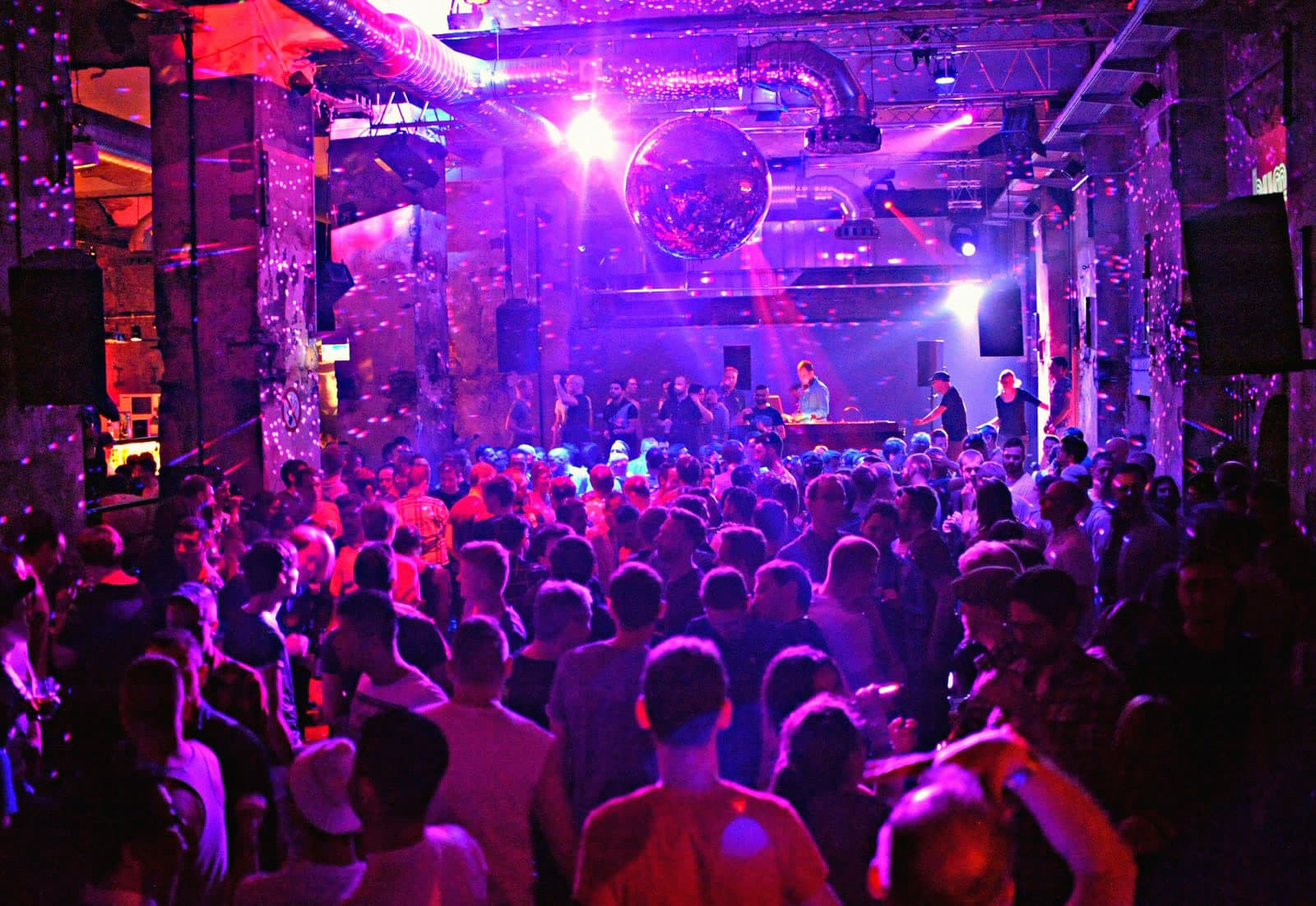
Sweet Club was never a niche address. At 800 square meters under Maximiliansplatz, it was one of the largest nightlife venues in central Munich, running House, R&B and chart nights for almost ten years. On Halloween, it threw its last party and announced the end on Instagram.
What actually killed the club?
According to owner Mathias Scheffel, known locally as the "Partykönig," the chain of events was mundane and brutal: an unusually weak, hot summer kept guests away, and two months of expected revenue never showed up. That meant two months of unpaid rent at 20,000 euros a month on the Maximiliansplatz space. Sweet Club's landlord moved to terminate the lease; a later attempt to settle and keep the venue open collapsed, and the closure became final.
It is a simple equation that plenty of operators will recognize: fixed costs that don't flex with a bad season, landlords with no incentive to wait it out, and a margin thin enough that two months can end a decade.
Is this just one club, or a pattern?
Scheffel isn't treating it as an isolated failure. "We will not be the last; piece by piece further clubs will close," he told press after the shutdown. He points to Café Reitschule in Schwabing as another venue he believes faces the same exposure: rising fixed costs stacked against falling revenue.
His warning lands against a list that is getting hard to ignore. Munich has already lost Harry Klein, 8below, Live Evil, Blitz and DNA Club in recent memory. Each had its own specific trigger, but the common denominator is the same: rent that doesn't move, seasonal swings that increasingly do, and landlords unwilling to absorb the gap.
"We will not be the last; piece by piece further clubs will close."
Why it matters
Munich isn't a marginal electronic-music city, and a venue the size of Sweet Club disappearing over two months of missed rent says something about how little room the city's clubs now have to absorb a bad season. When an operator on record names the next likely casualty before it happens, that's not pessimism, it's a forecast built on a spreadsheet other club owners in the city can read for themselves.
What we think
The story everyone wants to tell about club closures is cultural: gentrification, noise complaints, changing tastes. This one is just arithmetic. A city-center lease at 20,000 euros a month assumes a full dance floor most weekends; one bad summer and that math stops working. If Munich wants to keep venues this size, someone, city hall or landlords, has to build in slack for the seasons that don't cooperate. Otherwise Scheffel's list keeps growing.