What actually happened across the five days?
MUTEK Argentina's eighth edition ran October 7 to 11, 2026, scattering roughly 28 acts across six venues around Buenos Aires: Teatro San Martín, the experimental wing of Teatro Colón, Artlab, the club Deseo, the Planetario Galileo Galilei and La Nube. The programming mixed live electroacoustic performances and modular synthesis sets with straightforward club sessions, plus the audiovisual and sound-light works that have become MUTEK's signature elsewhere in the network. The circuit closed on the fifth night at La Nube with a set from Argentine producer Barem, the local name picked to send the week out.
Why put experimental electronics inside an opera house?
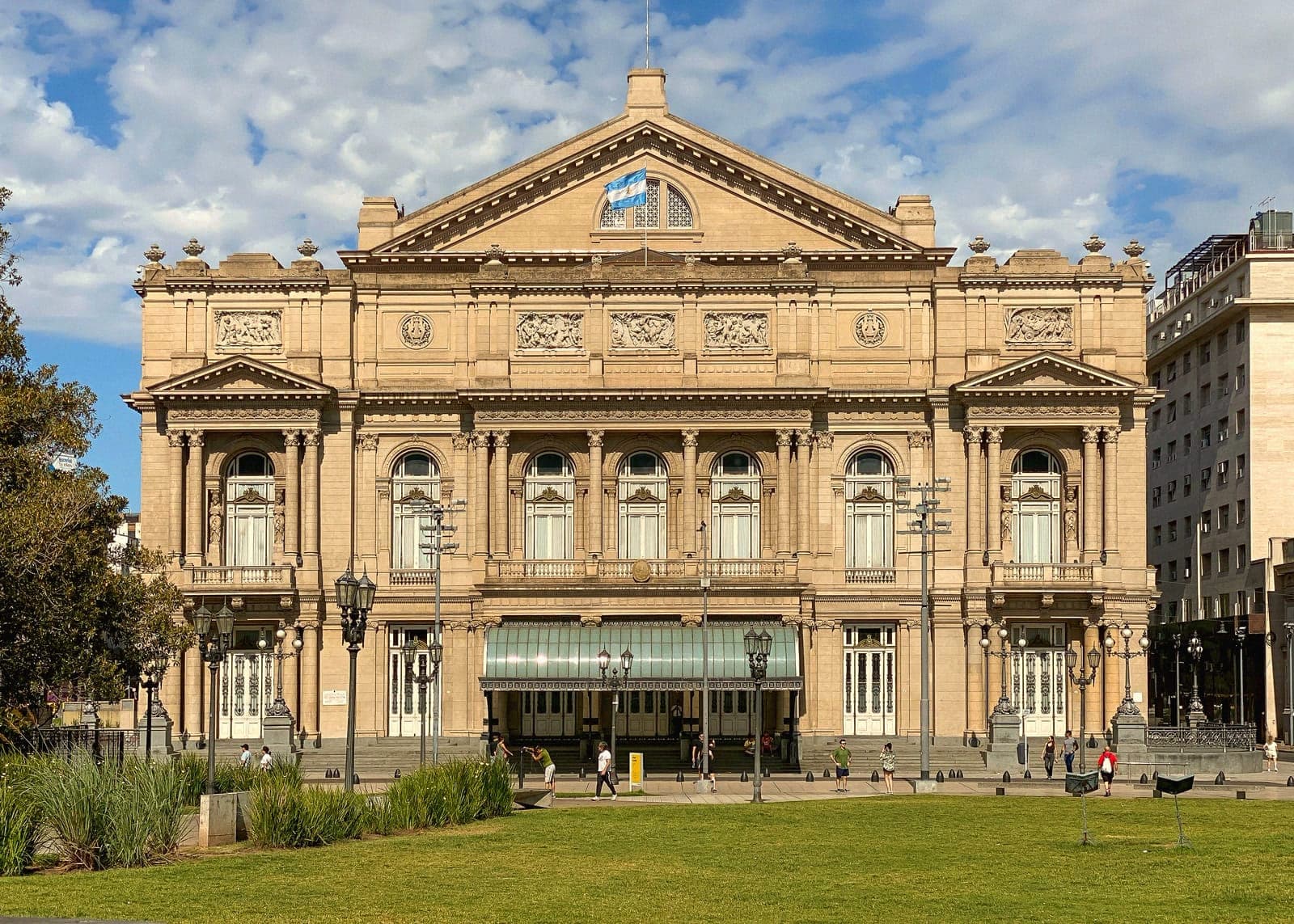
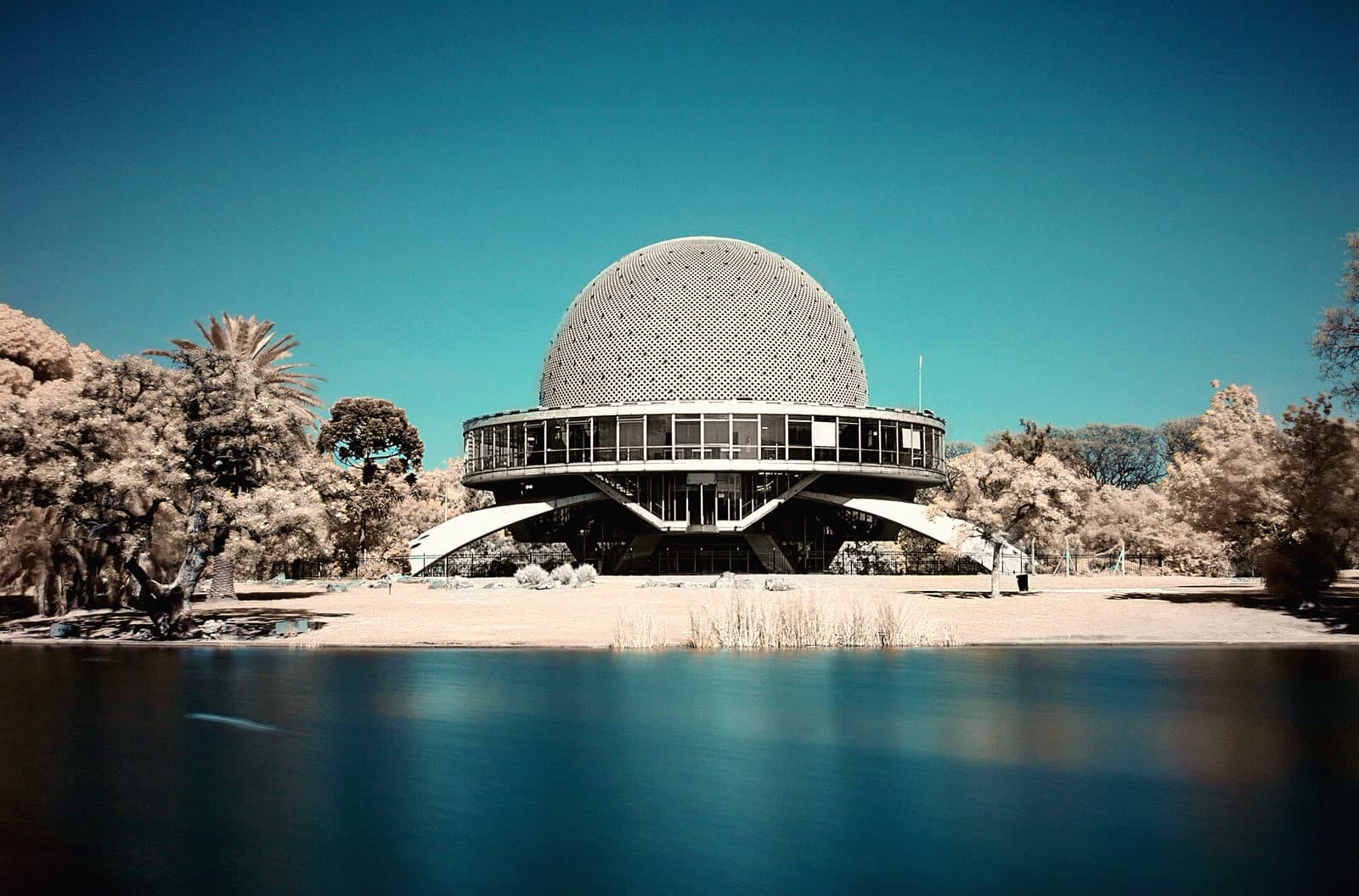
The venue list is the real story here. Running sets through Teatro Colón's experimental centre and the Planetario Galileo Galilei puts modular synthesis and digital-art pieces on the same civic footing as the institutions Buenos Aires treats as cultural landmarks, not inside a fenced-off festival field on the edge of town. That matters for a genre that still gets filed as niche club music in most of Latin America: a week spent inside the city's flagship stages is a different kind of validation than another warehouse rave, even a great one.
Who played, and why the names matter?
The international half of the bill leaned on names rarely booked together on one Latin American circuit: Japanese house and techno veteran Satoshi Tomiie, Berlin-based producer Dana Ruh, Montreal audiovisual artist Myriam Bleau and Swiss act NVST. Pairing that spread of countries with Argentine artists across both club nights and concert-hall sets is the point of MUTEK's model: treat digital creativity and dance music as one continuous programme instead of splitting them into separate, smaller events.
A week spent on the city's flagship stages is a different kind of validation than another warehouse rave.