What did Nico Stojan mean to Bar 25?
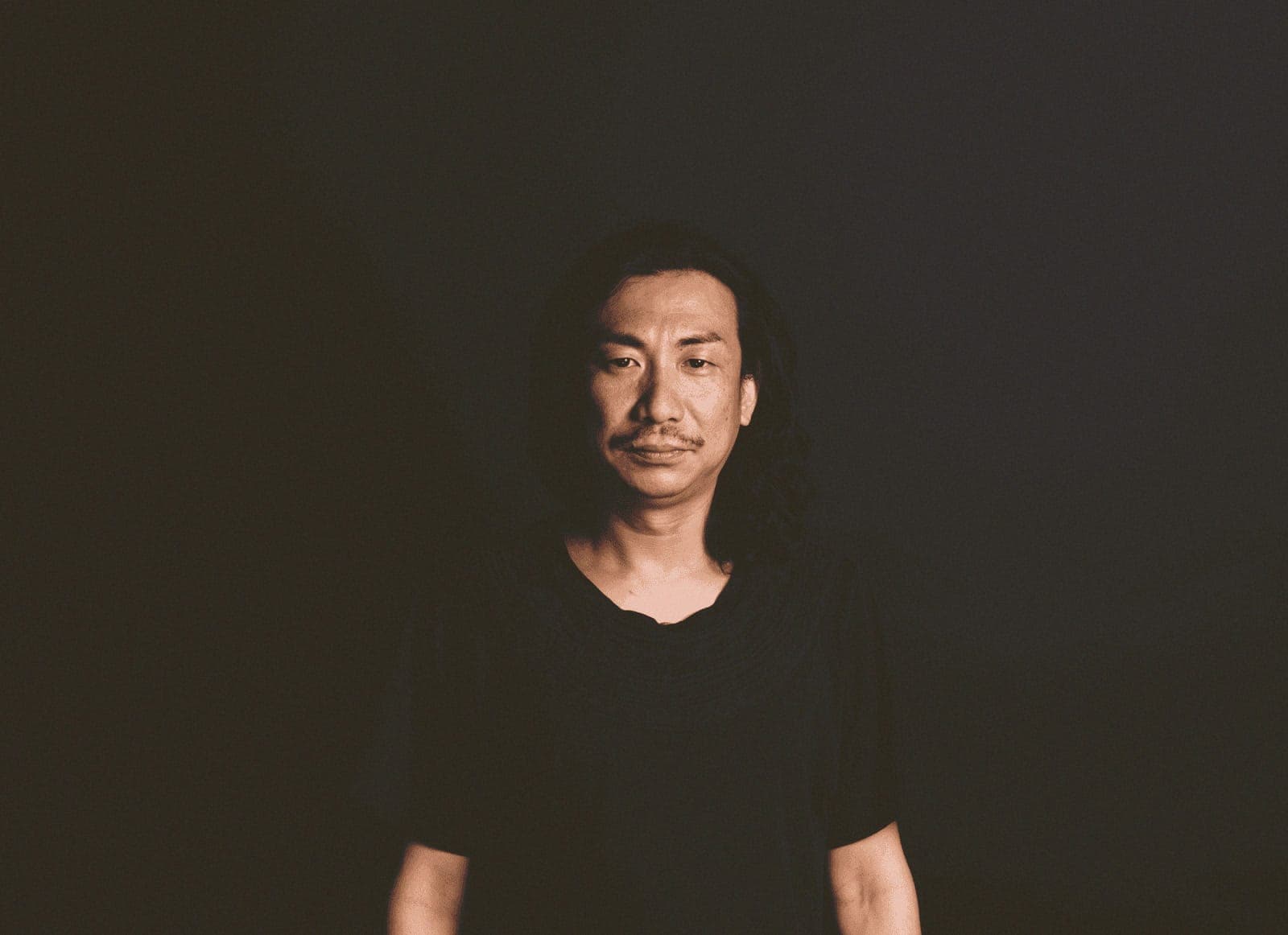
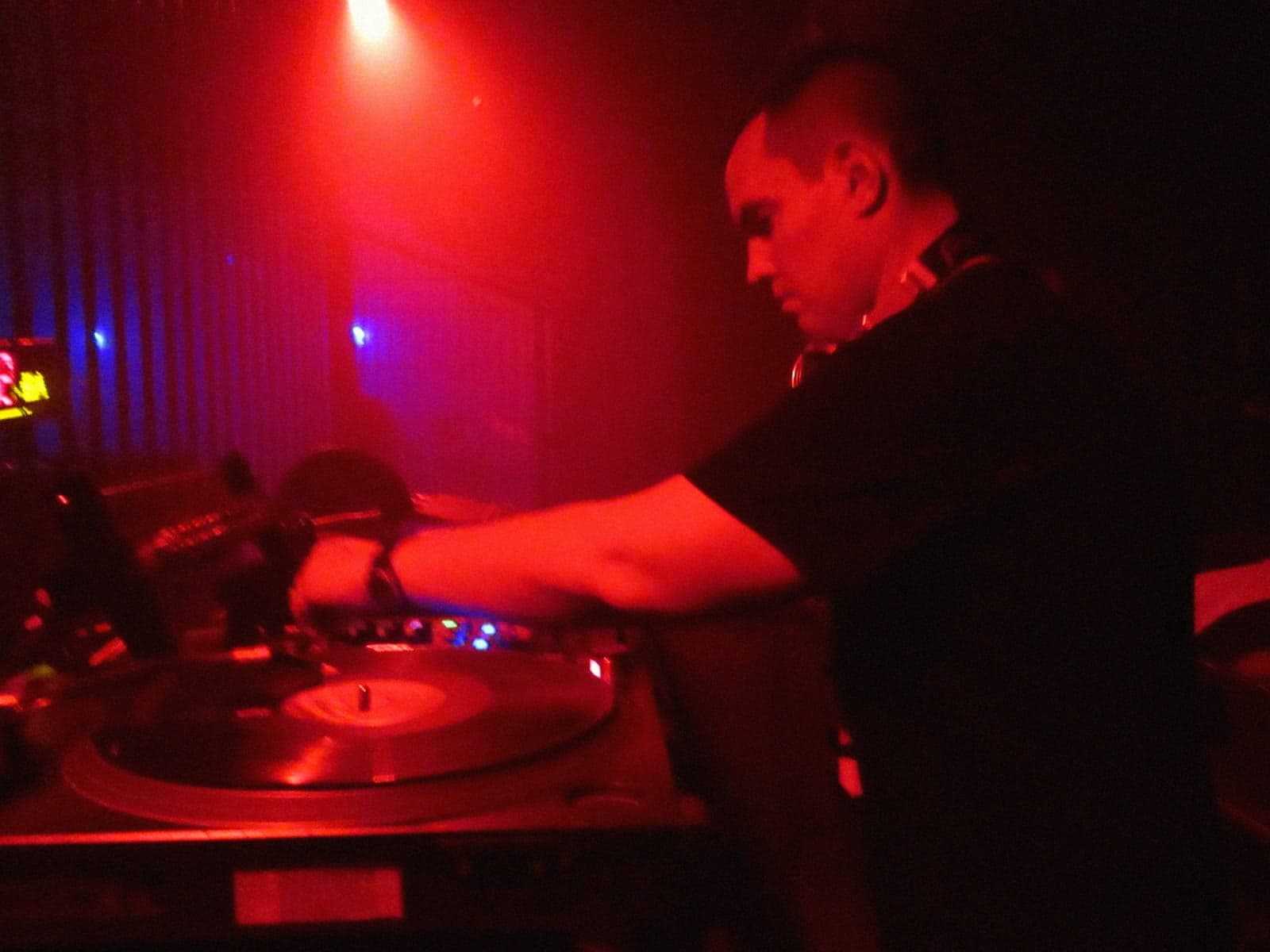
Nico Stojan died on July 26, 2026, according to an announcement posted by his family on Instagram, Resident Advisor reports. He had been part of Berlin's electronic music scene for more than three decades, and for a long stretch of the 2000s he was one of the resident DJs whose sets defined Bar 25, the riverside club and commune on the Spree that became shorthand for the city's post-Wall, anything-goes underground. Bar 25 ran parties that blurred into days, built its own scaffolding and driftwood stages, and treated the dancefloor as a commune rather than a venue, before it closed in 2010. Stojan's sets there, per RA, were warm and melodic rather than pummeling, a style that's still part of what people mean when they talk about that room's identity.
He didn't start out in house music. Per RA, Stojan cut his teeth as a hip-hop DJ before crossing over into the organic deep house, downtempo and melodic techno he became known for, a body of work steeped in jazz, soul and funk.
What did he leave behind on record?
With longtime collaborator Acid Pauli, Stojan co-founded the label Ouïe, built as a home for leftfield, melodic electronic music that didn't fit a straighter techno or house mold, RA reports. His own records went out on Upon.You, Highgrade and Get Physical Music, three labels that between them mapped a big chunk of the melodic-house middle ground Berlin exported through the 2010s.
"Our beloved Nico was an extraordinary person. He had the rare gift of making others feel seen, understood and accepted."
His family's statement, quoted by RA, put it plainer than any tracklist could: "He leaves behind not just a void; he leaves behind a silence that no one can fill." A GoFundMe has since been set up to support his family, per RA.
Why does this loss matter beyond Berlin?
Bar 25 closed in 2010, but its DNA runs through everything from Kater Blau to the general template of Berlin's alfresco, community-first party culture that clubs worldwide now try to copy. Stojan was one of the people who built that template in real time, not as a headliner chasing festival slots but as a resident who showed up and set a tone, night after night. That's a specific kind of scene figure, the deep bench player rather than the marquee name, and it's exactly the kind of loss that doesn't register outside the room but reshapes it inside. Organic house's whole pitch, that a dancefloor can feel like a shared body rather than a show, owes something to DJs like him.